
|
 |
 | | | | | | ||||||||||||||||||||||||||||||||||||||||||||||||||||||||||||||||||||||||||||||||||||||||||||||||||||||||||||||||||||||||||||||||||||||||||||||||||||||||
| | | You are in: Science/Nature | ||||||||||||||||||||||||||||||||||||||||||||||||||||||||||||||||||||||||||||||||||||||||||||||||||||||||||||||||||||||||||||||||||||||||||||||||||||||||||
|
| | Wednesday, 15 January, 2003, 16:16 GMT Where now for Rosetta?  Analysts are searching for new comets to visit
Comet Wirtanen is off the cards but a handful of similar bodies are being considered as targets. There are more than 1,000 comets in our Solar System but most are too distant or too dangerous to get to. The mission costs - one billion euros (�600m) so far - and the existing design of the space craft pose obvious restrictions. Only the Jupiter family of comets - which travel around Jupiter and the Sun - are within reach from Earth.
Several comets are in the frame. They are Comet Wild 2, which will be visited by the US space agency (Nasa) spacecraft Stardust in a year's time, and Comet Finlay, named after the 19th Century astronomer WH Finlay. Other options include Churyumov-Gerasimenko, named after two Russians; Comet Howell, discovered in 1981; and Schwassmann-Wachmann 2, found in 1929. Ground truth According to Professor David Hughes, an astronomer at the University of Sheffield, UK, there is little to choose between them in terms of scientific interest.
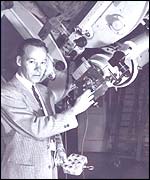
When it comes to a space mission to a comet what you need is a lot of "ground truth", he explains. By this, he means the wealth of detailed astronomical observations that have been carried out for Wirtanen over the past few years. "We will need to have a good squint at the comet we are going to go to," he says. Professor Hughes sees the question of where to go to as an engineering rather than a scientific problem. The comet has to be in the right place at the right time for any rendezvous with a spacecraft to be successful. Interplanetary highway To get to Wirtanen, Rosetta would have had to weave around the inner Solar System, getting a boost from the gravity of Mars and the Earth. A similar "cosmic billiards game" will be needed to visit the new comet, whichever is chosen. Dr Geraint Jones, of Imperial College London, says computer simulations of different flight paths should provide the answer in a matter of weeks. "I think they will probably look for a fairly well-behaved comet in an orbit that's easy to get to," he says. To allow time for astronomers to point their telescopes at the new object, a launch in February 2004 may be the earliest possible scenario. | |
See also:  20 Jan 03 | Science/Nature 26 Sep 01 | Science/Nature 23 Sep 01 | Science/Nature 05 Jul 01 | Science/Nature 27 May 01 | Science/Nature Internet links: The BBC is not responsible for the content of external internet sites Top Science/Nature stories now: Links to more Science/Nature stories are at the foot of the page. | ||||||||||||||||||||||||||||||||||||||||||||||||||||||||||||||||||||||||||||||||||||||||||||||||||||||||||||||||||||||||||||||||||||||||||||||||||||||||
 | |
|  E-mail this story to a friend E-mail this story to a friend |
| |
| Links to more Science/Nature stories |
| | | ||
 | ||||
 | | Back to top
| ||
| ---------------------------------------------------------------------------------- To BBC Sport>> | To BBC Weather>> | To BBC World Service>> ---------------------------------------------------------------------------------- © MMIII | News Sources | Privacy |






 I think they will probably look for a fairly well-behaved comet in an orbit that's easy to get to


