|
 |
 | | | | | | ||||||||||||||||||||||||||||||||||||||||||||||||||||||||||||||||||||||||||||||||||||||||||||||||||||||||||||||||||||||||||||||||||||||||
| | | You are in: Health | ||||||||||||||||||||||||||||||||||||||||||||||||||||||||||||||||||||||||||||||||||||||||||||||||||||||||||||||||||||||||||||||||||||||||||
|
| | Saturday, 21 December, 2002, 00:17 GMT Space holds medical secrets  Astronauts working on the International Space Station Space could help doctors improve intensive care treatment by showing how the human body behaves under extreme conditions. Dr Kevin Fong, a British doctor who has trained at Nasa, told BBC News Online: "We are looking at the extreme physical environment in space. "What happens if you take a human being and put them on the edge of their survival curve? "There's not much oxygen, it's very cold or very hot. What are the limits of physical endurance? When do you need to take over and support them? "The science of astronaut survival is how you take a human being from the comfort of living with lots of oxygen, and plenty of food and water then send them into an environment that doesn't support life at all, not even for a few seconds.
And he said studying space could help doctors understand how the body works on Earth. "There are very many parallels with what we do in intensive care where patients are in a very extreme condition." Mars mission He said research in space could also help understand how drugs work.
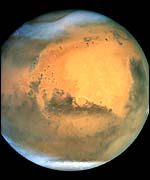
It allows scientists to more clearly see the molecular structure of a drug, showing them how it works. And he said Nasa had been approached to help in research into anti-Aids drugs. Dr Fong is also looking at how the human body will be affected by expeditions to Mars - which could last up to 1,000 days. He added: "If humans are going to go to Mars in the future, how we cope with that?" Everest expedition The team at the Centre for Aviation, Space and Extreme Environment Medicine, also looks at how the body behaves in different extreme situations such as polar expeditions and diving. Dr Fong, who also specialises in anaesthetics and intensive care medicine, said: "Decompression situations and cardiac bypass operations are similar in that the bubbling in decompression is similar to a phenomenon in bypass." He has been given a �75,000 grant from Nesta, the National Endowment for Science, Technology and the Arts to allow him to carry on with his research. Dr Fong hopes the money will allow him to return to Nasa to carry out further research, and also to fund an expedition to Everest. A spokesman for Nesta said: "We are delighted to be supporting such a talented individual whose cross-disciplinary work in space biomedical research is ground-breaking." | | See also:  19 Dec 02 | Science/Nature 30 Aug 02 | Scotland 21 Nov 01 | Health 31 Aug 01 | Health 12 Jul 00 | Health Internet links: The BBC is not responsible for the content of external internet sites Top Health stories now: Links to more Health stories are at the foot of the page. | ||||||||||||||||||||||||||||||||||||||||||||||||||||||||||||||||||||||||||||||||||||||||||||||||||||||||||||||||||||||||||||||||||||||||
 | |
|  E-mail this story to a friend E-mail this story to a friend |
| |
| Links to more Health stories |
| | | ||
 | ||||
 | | Back to top
| ||
| ---------------------------------------------------------------------------------- To BBC Sport>> | To BBC Weather>> | To BBC World Service>> ---------------------------------------------------------------------------------- © MMIII | News Sources | Privacy |




 What are the limits of physical endurance?