|
 |
 | | | | | | |||||||||||||||||||||||||||||||||||||||||||||||||||||||||||||||||||||||||||||||||||||||||||||||||||||||||||||||||||||||||||||||||||||||||||||||||||||
| | | You are in: Science/Nature | |||||||||||||||||||||||||||||||||||||||||||||||||||||||||||||||||||||||||||||||||||||||||||||||||||||||||||||||||||||||||||||||||||||||||||||||||||||||
|
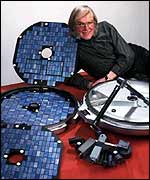
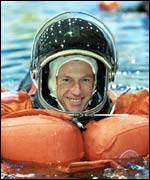
| | Thursday, 19 December, 2002, 10:28 GMT UK astronaut sets sights on Mars  Foale wants the UK to fund a British astronaut
Dr Foale, 45, who is preparing to command a mission to the International Space Station (ISS), said: "I think humans landing on Mars should certainly happen in the next few decades.
"It won't cost anything like another war in Iraq, but there isn't the same will to go to Mars," he told BBC News Online. Robots have already revealed much about the mysterious Red Planet, which scientists believe was once wetter and warmer. The British-led Beagle 2 lander and Nasa's own twin Mars Exploration Rovers, due to land on the planet in 2003, will hopefully reveal more. But many believe that a human mission remains the only way to conclusively answer some of the key questions.
Dr Foale, whose parents still live in Cambridge, said: "It is more than an issue of just curiosity - it's a combination of instincts that human beings express about exploration and developing new territory. "Some of it's not particularly attractive - it's to do with conquest or having more resources to use up. Others are more attractive because it's to do with learning and understanding more. "The fact is we're not safe and secure on our cradle of the Earth.
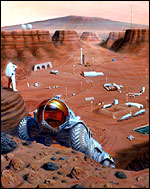
"Ten years ago the plan was to spend 30 days on the surface of Mars. Now the accepted idea is to go and stay for more than a year. "I think that is the way to go because then you start answering the serious questions. When and if life appeared on the Martian surface?
"Also, you would learn a lot more about what happened to the climate on Mars. Why it is so dry now, when in the past it had a wet climate? A lot of those questions are thought to be understood, to some extent, but you need to go there to really explore." Perilous journey Sending astronauts to Mars and getting them back safely is no simple undertaking. Their hazardous journey will be far more difficult to accomplish than the landing of three men on the Moon in 1969.
When they leave Earth, the astronauts will not be able to return for more than two and a half years. The journey there will take between four and six months, depending on the propulsion system used. After the crew arrives, they will have to remain on the Red Planet for more than a year until the proper alignment of Earth and Mars allows them to make the trip home. Rocket fuel will have to be manufactured to get them back. Their bodies will be bombarded with radiation, their bone mass will decrease and they will have to deal with the loneliness of being apart from their families.
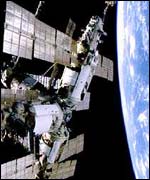
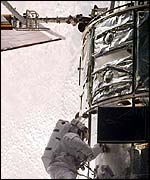
In 1997, he spent 145 days aboard the old Russian space station Mir and narrowly escaped death when it was struck by a cargo ship. "It weighed about seven tonnes so the impact was very noticeable. We heard a big thud and I remember having a severe adrenalin rush and thinking about how much longer do we have. "I felt the fall of the air pressure in my ears and realised it was fairly severe but not so severe that we wouldn't have time to evacuate. It all started to fit together and a plan even started to form in all our minds that we would be ok - or we could be ok." Mir disaster Rather than put him off space travel for life, his Mir experiences just fired the Briton's passion for space travel even more. He is due to lead a mission to the ISS in July 2003 and will spend 180 days in the station alongside cosmonaut Valery Tokarev and astronaut Bill McArthur. Expedition 8, as they will be known, will be carrying out essential construction work, testing how parts of the body react to zero gravity and observing the Earth to help troubleshoot any pollution problems.
"I also really miss the fresh air. You can look down and see a beautiful blue Earth, but it is still through a window or the helmet of a spacesuit. "You can actually see the wind blowing in the Southern Ocean. But you can't feel it and I do miss that feeling of wind on my face." Dr Foale is also a strong believer that the UK Government should be doing more to encourage human space travel by funding a British-paid British astronaut in the International Space Station programme. He said: "I don't count because I am paid for by the Americans."
Dr Foale said: "I greatly admire Professor Colin Pillinger who is behind the Beagle 2 Mars mission. "He is a tremendously enthusiastic person who has had a pretty much uphill battle against many orthodox policy-makers in Britain who weren't very keen on his ideas but have now come around to them. "I think this is a time for Britain to seize the moment. The government needs to be feeding the growing interest in space exploration. "Eventually industry and commerce will pick up on it, but the government has to take some of those initial steps." | | See also:  23 Sep 02 | Science/Nature 24 Jul 02 | UK 23 Aug 02 | Science/Nature 09 Dec 02 | Science/Nature 10 Aug 00 | Science/Nature 23 Jun 00 | Science/Nature 16 Dec 99 | Americas 15 Mar 99 | Set99 Internet links: The BBC is not responsible for the content of external internet sites Top Science/Nature stories now: Links to more Science/Nature stories are at the foot of the page. | |||||||||||||||||||||||||||||||||||||||||||||||||||||||||||||||||||||||||||||||||||||||||||||||||||||||||||||||||||||||||||||||||||||||||||||||||||||
 | |
|  E-mail this story to a friend E-mail this story to a friend |
| |
| Links to more Science/Nature stories |
| | | ||
 | ||||
 | | Back to top
| ||
| ---------------------------------------------------------------------------------- To BBC Sport>> | To BBC Weather>> | To BBC World Service>> ---------------------------------------------------------------------------------- © MMIII | News Sources | Privacy |






 The fact is we're not safe and secure on our cradle of the Earth