|
 |
 | | | | | | |||||||||||||||||||||||||||||||||||||||||||||||||||||||||||||||||||||||||||||||||||||
| | | You are in: UK: Scotland | |||||||||||||||||||||||||||||||||||||||||||||||||||||||||||||||||||||||||||||||||||||||
|
| | Friday, 30 August, 2002, 05:08 GMT 06:08 UK Students in space bugs study 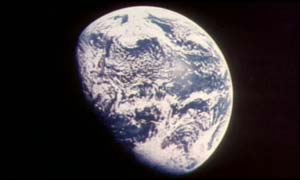 The effect of zero gravity on bacteria will be studied Three students are preparing to launch a scientific experiment in space after winning an international competition. The trio, from Edinburgh University, put forward proposals for assessing how bacteria cope in zero gravity conditions on board the Foton-M1 satellite. Their experiment will be taken on board the craft when it is launched in October near Plesetsk in Russia. The three undergraduates, all aged 21, submitted one of three winning group entries in the contest, organised by the European and Russian space agencies.
Mr Dhir said the experiment could help scientists to work out how bacteria might establish communities on other planets which have reduced gravity. He hoped it would also help in understanding how bacterial infections might be transmitted during manned space flights. He said: "We started work on the project about a year ago. Agency visit "Because two of us are medical students, we wanted to do something with a medical application, so the experiment will examine how bacterial communities develop in a zero gravity environment." Entries for the competition had to weigh no more than 2.5kg and be able to withstand being launched into space. The students will travel to the European Space Agency headquarters in the Netherlands ahead of the 15 October launch, which they hope to attend. The Russian satellite will be in orbit for two to three weeks. Other students from the University of York and the Swiss Federal Institute of Technology in Zurich were successful in the competition. | | See also:  31 Jul 01 | Science/Nature 30 Dec 99 | Science/Nature 12 Aug 99 | Europe 12 Feb 99 | Science/Nature Internet links: The BBC is not responsible for the content of external internet sites Top Scotland stories now: Links to more Scotland stories are at the foot of the page. | |||||||||||||||||||||||||||||||||||||||||||||||||||||||||||||||||||||||||||||||||||||
| |
|  E-mail this story to a friend E-mail this story to a friend |
| |
| Links to more Scotland stories |
| | | ||
 | ||||
 | | Back to top
| ||
| ---------------------------------------------------------------------------------- To BBC Sport>> | To BBC Weather>> | To BBC World Service>> ---------------------------------------------------------------------------------- © MMIII | News Sources | Privacy |