|
 |
 | | | | | | |||||||||||||||||||||||||||||||||||||||||||||||||||||||||||||||||||||||||||||||||||||||||||||||||||||||||||||||||||||||||||||||||||||||||||||||||||
| | | You are in: Entertainment | |||||||||||||||||||||||||||||||||||||||||||||||||||||||||||||||||||||||||||||||||||||||||||||||||||||||||||||||||||||||||||||||||||||||||||||||||||||
|
| | Tuesday, 3 December, 2002, 09:33 GMT Getting literate about the media 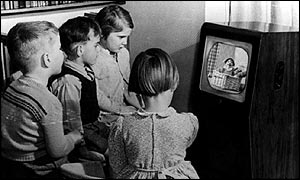 UK broadcasting is leaving its 1950s roots far behind
Remember the phrase "media literacy". You may soon be hearing it rather a lot - especially when the hand-wringing starts about protecting our children from the perils of the internet or mobile telephones. Media literacy means teaching people how the media work and what to do about stuff they don't like, and the government thinks there should be a lot more of it. Clause 10 of the Communications Bill gives the new super-regulator, Ofcom, a duty to encourage "a better public understanding of the nature and characteristics of material published by means of electronic media". It also allows for greater use of rating systems, filters and other devices which block out objectionable content. Tessa Jowell, the culture secretary, says clause 10 is one of the most important things in the bill.
The clause is also important if the government is to achieve its aim of more self-regulation of the media. Self-regulation means broadcasters, internet service providers and the rest being kept on their toes partly by input from savvy consumers rather than by an old-fashioned state-appointed watchdog. For this to happen consumers need to be educated. But what do you do about those who can't, don't or won't get the message? Ratings systems Often they, and their children, are the least educated and the most vulnerable. It's no good equipping digital TVs or PCs with filters to block out unsuitable content if people don't know how to use them (and research suggests many don't). It's no good devising systems for rating content if people don't understand them or simply ignore them. Even the simplest, like the nine o'clock watershed on television and age classifications for films, leave some people baffled. And ratings, filters and parental oversight can only go so far: how can you know what your children are using their next-generation mobile phones for when they're on the bus to school? Ofcom - or rather, the Independent Television Commission and the other bodies soon to be swallowed up by the new leviathan - thinks consumers, especially children, need protection from four main things: scams and spam, punts and porn (or gambling and "inappropriate content"). Ofcom is now talking to organisations like the Internet Watch Foundation, the Internet Content Rating Association and the premium rate services watchdog Icstis about what they already do and how they might co-operate with Ofcom. To some this looks like a piece of bureaucratic empire-building. But it's what the government wants, and it's why media literacy could soon become a hot topic. You can e-mail Nick Higham about this column at [email protected]. This column also appears in the BBC magazine Ariel. | |
Internet links:  The BBC is not responsible for the content of external internet sites Top Entertainment stories now: Links to more Entertainment stories are at the foot of the page. | |||||||||||||||||||||||||||||||||||||||||||||||||||||||||||||||||||||||||||||||||||||||||||||||||||||||||||||||||||||||||||||||||||||||||||||||||||
| |
|  E-mail this story to a friend E-mail this story to a friend |
| |
| Links to more Entertainment stories |
| | | ||
 | ||||
 | | Back to top
| ||
| ---------------------------------------------------------------------------------- To BBC Sport>> | To BBC Weather>> | To BBC World Service>> ---------------------------------------------------------------------------------- © MMIII | News Sources | Privacy |