|
 |
 | | | | | | |||||||||||||||||||||||||||||||||||||||||||||||||||||||||||||||||||||||||||||||||||||||||||||||||||||||||||||||||||||||||||||||||||||||||||||||||||||||||||||||
| | | You are in: Business | |||||||||||||||||||||||||||||||||||||||||||||||||||||||||||||||||||||||||||||||||||||||||||||||||||||||||||||||||||||||||||||||||||||||||||||||||||||||||||||||||
|
| | Tuesday, 28 January, 2003, 13:00 GMT Iraqi oil output 'could double' 
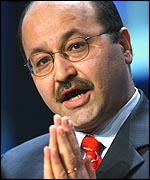
Investment in Iraqi oil fields could see the country double its crude output following a change of regime, a leading opposition figure has told world leaders. Adil Abdul Mahdi, president of the Iran-based Supreme Council of the Islamic Revolution in Iraq, said that, with an injection of $30-40bn, production could be raised to 5-6 million barrels per day by 2010.
"The history of modern Iraq is also the history of oil," Mr Mahdi told the World Economic Forum's annual summit in Davos, Switzerland. "No oil, no life." US control Cash raised from oil revenues should be redirected to local and federal authorities and "large scale infrastructure projects", Mr Mahdi added. The country's redevelopment after an end to Saddam Hussein's regime, which is threatened by military action over concerns it is harbouring weapons of mass destruction, would be partly fostered by the US and allied military powers expected to lead any attack, fellow panellist Hoshyar Zebari said. "Let's be realistic - definitely they will have a major influence on the shaping of the country's future," said Mr Zebari, director of the Kurdistan Democratic Party, one of the parties representing in exile Iraq's large Kurdish population. But he urged limits to foreign control. "We have tremendous human resources, well educated people who could do the job." Fear factor While fears have grown that a regime change in Iraq could fuel battles for independence among Kurdish populations in countries such as Turkey, Mr Zebari said that Kurdish political parties unanimously opposed secession. "These countries have nothing to fear but fear itself," he said. Barham Saleh, government head in Sulaymania, a region of Iraq which since 1991 has remained outside Mr Hussein's control, raised the region as an example of how the country could function under a new regime. Sulaymania has four women judges, has raised from one to three its number of universities, and has 138 TV channels, he said. Mr Saleh last year narrowly escaped assassination by three alleged Al-Qaeda gunmen, who broke into his home and killed five bodyguards. | |
See also:  28 Jan 03 | Business 28 Jan 03 | Middle East 24 Jan 03 | Business 23 Jan 03 | Middle East Internet links: The BBC is not responsible for the content of external internet sites Top Business stories now: Links to more Business stories are at the foot of the page. | |||||||||||||||||||||||||||||||||||||||||||||||||||||||||||||||||||||||||||||||||||||||||||||||||||||||||||||||||||||||||||||||||||||||||||||||||||||||||||||||
|  |
|  E-mail this story to a friend E-mail this story to a friend |
 | |
| Links to more Business stories |
| | | ||
 | ||||
 | | Back to top
| ||
| ---------------------------------------------------------------------------------- To BBC Sport>> | To BBC Weather>> | To BBC World Service>> ---------------------------------------------------------------------------------- © MMIII | News Sources | Privacy |