|
 |
 | | | | | | ||||||||||||||||||||||||||||||||||||||||||||||||||||||||||||||||||||||||||||||||||||||||||||||||||||||||||||||||||||||||||||||||||||||||||||||||||||||||||||||||||||||
| | | You are in: Business | ||||||||||||||||||||||||||||||||||||||||||||||||||||||||||||||||||||||||||||||||||||||||||||||||||||||||||||||||||||||||||||||||||||||||||||||||||||||||||||||||||||||||
|
| | Tuesday, 21 January, 2003, 15:00 GMT World leaders uncork Spirit of Davos  Davos: The summit's traditional home
Home to the snow, the piste, the toothpaste-fresh air of Davos, Switzerland.
Welcome back political chiefs, such US Secretary of State Colin Powell and former US president Bill Clinton. Welcome, even, protesters who have raised the meeting as a symbol of globalisation's ills, and sought to smash it into the foundations of a new world order. Banned they have been from marching at previous Davos summits, as they were at last year's meeting, held in New York in sympathy with a city scarred by September 11. 'Global crossroads' And demonstrators marching close enough to Davos's concrete spill of hotels may sense the magic of the summit perched 1,500 metres up in the Alps.
They may gain a sniff of the so-called "Spirit of Davos", capable, the forum says, of bringing "nations, cultures and individuals closer together". The summit is a "unique global crossroads" which has played "a key role... in shaping strategies and actions for corporations and countries", the forum continues. "No other event provides such a valuable opportunity for high-level personal contacts that contribute to business development, economic progress and cultural awareness." Networking frenzy Which means?
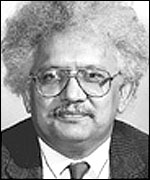
For sociologist Richard Sennett, the event is merely an excuse to press high-ranking flesh. "There is nothing really ideological about it - the point of it is networking," says Mr Sennett, who attended two summits in the mid-1990s. He will not be returning this year. "It is a place where businessmen do deals. I have no deals to do. I found it quite frustrating." 'Lost its edge' Labour peer Lord Desai is another summit sceptic. "Davos has lost its edge," he says. "It peaked after the collapse of communism, when all these former communist states attended Davos to show off their credentials to the World Bank." Now, by embracing globalisation, it is courting irrelevance. "The big issue is not globalisation. The big issue is Iraq. "Where are the heads of [oil producers' cartel] Opec, or the people making the decisions about war in Iraq?" In fact, Alvaro Silva-Calderon, Opec secretary-general, is down to speak at a forum on Friday. Nonetheless, the chief rattlers of Iraq's cage will be found this week in high-level meetings in Washington, or London, rather than Europe's largest mountain resort. Changing minds So the summit is, apparently, a largely irrelevant event, derided by anti-globalisers, and spurned by many of globalisation's most senior guardians.
Why bother attending, if not, as Friends of the Earth campaigner Craig Bennett says, to "sit in corners discussing where to put the next pipeline"? For Salil Shetty, chief executive of development agency ActionAid, the summit represents an opportunity. "Some of the world's most powerful people will be there," Mr Shetty says. "It is a chance for us to influence, advocate and challenge." Profound possibilities And executives, while perceived as bound by capitalism, are willing to consider fresh ideas, believes academic Anthony Grayling, a reader in philosophy at Birkbeck College, London University. "These are people who are open to new ways of thinking - they have to be to survive in their jobs," he says. "Having personal contact with people with different experiences can be immensely powerful. "Even if only 10-15% of executives had their minds changed about something, that could have profound effects." Narrow perspective US delegates in particular benefit from the exercise, says US-born Richard Pascale, a fellow at Cambridge University.
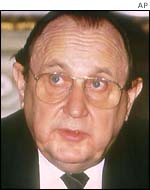
"As the one superpower, with a strong tendency to be parochial, it is of real value [for Americans] to hear other perceptions," Mr Pascale says. "We move often too much in our own little universe, and are insensitive to other ways of looking at things." Furthermore, the summit provides a means to set the ball rolling on joint government/business initiatives, such as the Kyoto Protocol on the environment. Problem solver Even some anti-globalisers, such as the New Economics Foundation think tank, see merit in Davos. "I think of Davos as the world problem solving session for the people who created most of the problems in the first place," says foundation director Ed Mayo. While saying he is "sceptical", he notes the summit's embrace of concepts of partnership and dialogue. The event has made some contribution, for instance, to tackling the global Aids problem, Mr Mayo acknowledges. List of triumphs WEF itself notes landmarks such as a 1987 Davos speech by Germany's then foreign minister, Hans-Dietrich Genscher.
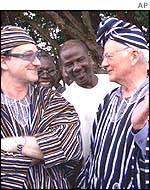
An address which is, apparently, "considered by many historians to mark the beginning of the end of the Cold War". The 2001 session was marked by the announcement by the Bill and Melinda Gates Foundation of a further $50m to support Aids prevention in Africa. And last year Paul O'Neill, then US treasury secretary, memorably accepted an invitation by crusading rock star Bono to tour Africa, and witness first-hand the continent's poverty. Mould breaker Did any good come of the trip? Sift through the cuttings on Mr O'Neill's dismissal in December, and the tour is reported as a madcap act, characteristic of an isolated, inconsistent and gaffe-prone figure. Indeed, it is striking how little Mr O'Neill's demotion goes lamented. Except by an unlikely mourner - aid organisation Oxfam American, which notes his "openness to encountering complicated issues in fresh ways". "Oxfam hopes that the [Bush] administration selects an equally innovative and inquisitive replacement," the charity continues. Dangerous spirit So step keenly, delegates, towards Davos's "unique global crossroads". Prepare to find your horizons lengthened, and perspectives broadened. But quaff carefully of the Spirit of Davos. As Mr O'Neill discovered, it can leave a hangover more profound than that wrought by any Alpine schnapps. | |
Internet links:  The BBC is not responsible for the content of external internet sites Top Business stories now: Links to more Business stories are at the foot of the page. | ||||||||||||||||||||||||||||||||||||||||||||||||||||||||||||||||||||||||||||||||||||||||||||||||||||||||||||||||||||||||||||||||||||||||||||||||||||||||||||||||||||||
 | |
|  E-mail this story to a friend E-mail this story to a friend |
| |
| Links to more Business stories |
| | | ||
 | ||||
 | | Back to top
| ||
| ---------------------------------------------------------------------------------- To BBC Sport>> | To BBC Weather>> | To BBC World Service>> ---------------------------------------------------------------------------------- © MMIII | News Sources | Privacy |






 There is nothing really ideological about it - the point of it is networking