
|
 |
 | | | | | | |||||||||||||||||||||||||||||||||||||||||||||||||||||||||||||||||||||||||||||||||||||||||||||||||||||
| | | You are in: Business | |||||||||||||||||||||||||||||||||||||||||||||||||||||||||||||||||||||||||||||||||||||||||||||||||||||||
|
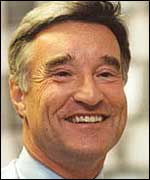
| | Thursday, 23 January, 2003, 10:50 GMT Davos dialogue seeks global answers  There is a perception that business needs to clean up its act The World Economic Forum got underway in Davos on Thursday. Vernon Ellis, the international chairman of management consultancy Accenture, explains how the meeting can make a difference.  This is my eighth Annual Meeting of the World Economic Forum. Thousands of people, very long days, but what makes it worthwhile is the content, the people and how these intertwine.
This year, the official programme - which lists details of the six days of sessions from 23-28 January - is 87 pages long. Topics include the relationship between business and the rest of society, diversity, climate change, security, and responses to recession. Inevitably the quality is variable and sometimes the choice of sessions almost feels overwhelming. There can be few other global gatherings that include sessions ranging from "The Volatility of Oil Prices" and "Nation Building in Afghanistan" to the downright philosophical "What is Freedom?" and "Love: A Matter of Trust".
But this very eclecticism does help provide a fresh perspective. And there is always a strong underlying focus around a theme for the meeting. This year it is "Building Trust" - a very appropriate one. Long-term focus The backdrop is a lack of confidence in business and the perception that social responsibility is not as strong a guiding principle for business as it should be. Hardly surprising, given the events of the last year. But damaging, not just to business, but also to society and to the economy.
Chief executives have the ability to start rebuilding trust in business, but this will require highly principled leadership and a renewed - and visible - emphasis on putting values into practice. It will also require a much stronger focus on long-term shareholder value creation - paradoxically, the "short-focus" of the 1990s did not ultimately benefit shareholders either. The answers are not easy but airing the challenges and debating these in an honest and open manner will help find the answers. Dialogue That leads to the second aspect of Davos that makes it worthwhile - the people. Not just business leaders but leaders of non-governmental organisations, prime ministers and other government leaders, journalists, scientists and novelists. The world today is tense, uncertain and untrusting. Part of this stems from mutual incomprehension. True dialogue, not the endless word spinning and communiqu� construction that occupies so many people at so many conferences, is a pre-requisite to clarifying what the problems truly are. And to agreeing on the focus for action. Positive agenda Remarkably, and uniquely on this scale, Davos can provide the framework for doing this. It can be intimate enough to permit the dialogue and yet large enough to capture an overall mood. Sometimes, that mood can seem, with hindsight, misplaced. As in the late 90s, when there was a prevailing feeling of triumphalism, built on the twin pillars of globalisation and information technology. We need a positive agenda for the world, built around stronger shared views and values. This year's meeting can play a vital role in settling that agenda. I am looking forward to it. | |
Internet links:  The BBC is not responsible for the content of external internet sites Top Business stories now: Links to more Business stories are at the foot of the page. | |||||||||||||||||||||||||||||||||||||||||||||||||||||||||||||||||||||||||||||||||||||||||||||||||||||
 | |
|  E-mail this story to a friend E-mail this story to a friend |
| |
| Links to more Business stories |
| | | ||
 | ||||
 | | Back to top
| ||
| ---------------------------------------------------------------------------------- To BBC Sport>> | To BBC Weather>> | To BBC World Service>> ---------------------------------------------------------------------------------- © MMIII | News Sources | Privacy  |




 We need a positive agenda for the world, built around stronger shared views and values


