|
 |
 | | | | | | |||||||||||||||||||||||||||||||||||||||||||||||||||||||||||||||||||||||||||||||||||||||||||||||||||||||||||||||||||||||||||||||||||||||||||||||||||||||||||||||||||||||||||||||||||||||||||
| | | You are in: Business | |||||||||||||||||||||||||||||||||||||||||||||||||||||||||||||||||||||||||||||||||||||||||||||||||||||||||||||||||||||||||||||||||||||||||||||||||||||||||||||||||||||||||||||||||||||||||||||
|
| | Friday, 1 November, 2002, 08:20 GMT Britain's housing obsession 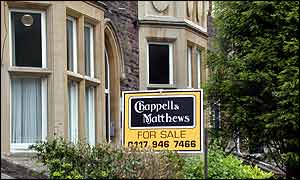 Personal wealth is skewed towards housing
No dinner party would be complete without talk of hotspots, gazumping and a possible housing market crash. Everyone, it seems, has a tale to tell of someone who has made a killing on the property market. Britain as a nation is obsessed with bricks and mortar - but why?
Up until the late nineteenth century only property owners were allowed to vote. More recently, the Thatcher government sold off millions of council houses to tenants through its right-to-buy scheme. In less than a generation the proportion of UK adults living in their own home has leapt from a third to more than two-thirds. Peer pressure "There are huge pressures to buy in the UK. If you are in your thirties and renting people wonder what is wrong with you," says Dorothy Rowe, a clinical psychologist and author of 'The real meaning of money'. "Renting is a stigma like being unemployed - you are perceived widely as not having a stake in society," she adds. But people are having to pay a high price to avoid being tarred with the renting brush. The average house price in the UK now tops the �100,000 ($156,000) mark.
In Greater London, according to the Halifax, the average home costs �206,000. Market bubble House price growth has in the last few years consistently exceeded even the most optimistic predictions. Every time experts suggest the market is slowing, the housing merry-go-round seems to gain new impetus. Double-digit annual house price growth has become the norm in many parts of the country. First-time buyers, in particular, have often had to borrow many times their income in order to be able to afford high house prices. Labour market The attitude towards homeownership in other major EU economies is radically different to that in the UK.
As a matter of course, many people in France and Germany are happy to rent for the whole of their lives. Ms Rowe believes Britons' attitudes to homeownership are partly a reflection of UK labour market flexibility. "The job for life has vanished more quickly in the UK than in Europe. Therefore, the British try to create certainty in an uncertain world by staking out their own territory." Cold economics However, according to John Matatko, lecturer in finance and investment at the University of Exeter, the UK obsession with owning homes is explained by cold economics rather than touchy-feely psycho-analysis. "Stock markets have lost investors billions, and deposit savings accounts offer low rates of return. "Property is the one area which provides investors with growth in a no-growth environment," Mr Matatko told BBC News Online. "As a rule of thumb, when stock markets are at a low ebb the housing market does well. People are quite rational in investing in property at this time." Overreaching In the late 1980s, people overreached themselves in a bid to clamber onto the property ladder. Then came the 1990s credit crunch when hundreds of thousands of families had their homes repossessed.
Could it all be about to happen again? Matatko says not: "Interest rates are low and likely to remain so - mortgages are a lot more affordable and therefore high prices are far more sustainable than during the last boom." In fact, according to Mr Matatko the house price boom is critical to the health of the UK economy. "At present, money is being freed from housing and spent on the high street. Without house price inflation the UK would now be in recession," he said. US market In the United States, low interest rates combined with rising house prices have helped to pull the US economy up by its bootstraps. "Many were predicting a major recession as a result of Americans feeling poorer due to falls on the stock market. However, the housing market took off and consumer confidence has been quite resilient." But the UK housing obsession does have one major downside according to Mr Matatko: "Personal wealth in the UK is too skewed towards property, there is no even balance of investments." And that means that if the housing market does go into reverse the effects on consumer confidence and the wider economy are likely to be huge. | |
See also:  23 Oct 02 | Business 19 Sep 02 | Business 23 Sep 02 | England 22 Aug 02 | Business Internet links: The BBC is not responsible for the content of external internet sites Top Business stories now: Links to more Business stories are at the foot of the page. | |||||||||||||||||||||||||||||||||||||||||||||||||||||||||||||||||||||||||||||||||||||||||||||||||||||||||||||||||||||||||||||||||||||||||||||||||||||||||||||||||||||||||||||||||||||||||||
| |
|  E-mail this story to a friend E-mail this story to a friend |
| |
| Links to more Business stories |
| | | ||
 | ||||
 | | Back to top
| ||
| ---------------------------------------------------------------------------------- To BBC Sport>> | To BBC Weather>> | To BBC World Service>> ---------------------------------------------------------------------------------- © MMIII | News Sources | Privacy |