
|
 |
 | | | | | | ||||||||||||||||||||||||||||||||||||||||||||||||||||||||||||||||||||||||||||||||||||||||||||||||||||||||||||||||||||||||||||||||||||||||||||||||||||||||||
| | | You are in: Business | ||||||||||||||||||||||||||||||||||||||||||||||||||||||||||||||||||||||||||||||||||||||||||||||||||||||||||||||||||||||||||||||||||||||||||||||||||||||||||||
|
| | Wednesday, 23 October, 2002, 16:59 GMT 17:59 UK First-time buyer deposits soar 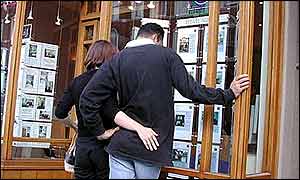 First-time buyers are struggling to get on the property ladder The booming UK housing market means first-time buyers are having to find �18,000 on average for a deposit, a survey has found. Research by the Council of Mortgage Lenders (CML) found that the average first-time deposit has more than tripled over the past five years. London is the place where first-time buyers have to stump up the most, with the average deposit reaching �31,100. The lowest average deposit paid is �8,300, in the north of England. Employer loans solution? The CML said for many people, raising money for a deposit was now just as important as having a wage high enough to raise an adequate mortgage.
And it suggested that employers could think about offering new workers interest-free loans to help them with their deposits when they are based in high-priced areas. Back in 1996, the average first-time buyers' deposit stood at just �5,000. As well as having to keep up with surging house prices, the CML found that the higher deposits indicated a more cautious approach by those looking to get on the property ladder. Deposits as a percentage of a property's value have increased from an average of 10% in 1996 to 21% now. The CML said this showed people wanted to avoid negative equity, which hit many homeowners in the late 1980s and early 1990s when the last housing bubble burst. If house prices do fall, a bigger deposit means the homeowner has some defence against the value of their property dropping below the value of their mortgage. One factor helping first-time buyers has been a rapid increase in earnings for the group. In 2001, the average household income for first-time buyers was �28,300, 43% higher than in 1996, while average earnings grew by just 25% over the same period. The CML's report was published in conjunction with the Chartered Institute of Housing for the Joseph Rowntree Foundation. | |
See also:  18 Oct 02 | Business 18 Oct 02 | Business 18 Oct 02 | Business 17 Oct 02 | Business Internet links: The BBC is not responsible for the content of external internet sites Top Business stories now: Links to more Business stories are at the foot of the page. | ||||||||||||||||||||||||||||||||||||||||||||||||||||||||||||||||||||||||||||||||||||||||||||||||||||||||||||||||||||||||||||||||||||||||||||||||||||||||||
| |
|  E-mail this story to a friend E-mail this story to a friend |
| |
| Links to more Business stories |
| | | ||
 | ||||
 | | Back to top
| ||
| ---------------------------------------------------------------------------------- To BBC Sport>> | To BBC Weather>> | To BBC World Service>> ---------------------------------------------------------------------------------- © MMIII | News Sources | Privacy |






