|
 |
 | | | | | | |||||||||||||||||||||||||||||||||||||||||||||||||||||||||||||||||||||||||||||||||||||||||||||||||||||||||||||||||||||||||||||||||||||||||||||
| | | You are in: Business | |||||||||||||||||||||||||||||||||||||||||||||||||||||||||||||||||||||||||||||||||||||||||||||||||||||||||||||||||||||||||||||||||||||||||||||||
|
| | Friday, 9 August, 2002, 21:04 GMT 22:04 UK Business in dock over apartheid 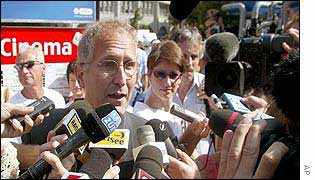 Ed Fagan has also represented victims of the Nazis A preliminary hearing into a lawsuit brought by South Africans seeking billions of dollars in compensation from leading companies has begun in New York. It is the first step in what many believe will be a long and contentious case to prove multinational corporations benefited from apartheid. The companies named in the complaint, filed in New York District Court in June, include US and Swiss banking-giants Citigroup, UBS and Credit Suisse. The lead attorney for the plaintiffs, Edward Fagan, told Judge Richard Casey that the apartheid victims suffered the worst human rights violations in history. He is seeking between $50bn (�32.8bn) and $80bn in damages in a class-action lawsuit representing at least five plaintiffs. Exercising restraint While Friday's hearing was viewed as the start of the legal battle, a trial is still at least six months off. Attorneys for the companies named in the complaint told the judge that Mr Fagan was using the court proceedings "as a platform for his publicity campaign".
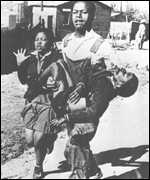
Critics of Mr Fagan consider him to be little more than an opportunist masquerading as a champion for just causes. Judge Casey scolded Mr Fagan for failing to answer him directly during Friday's proceedings about any publicity he may seek in the case. "I expect nothing less than a truthful, direct and succinct answer," the judge said. "You should learn to exercise some restraint, some professionalism." Mr Fagan told the judge he had not called reporters to advise them of Friday's hearing. He did, however, respond to a request for an interview with BBC News on Thursday in which he disclosed the latest targets of his suit - UK oil giant BP and British banking firm Barclays. Called to account Among the crimes the plaintiffs allege is the death of Hector Peterson who died after police began firing tear gas and live bullets at thousands of students taking part in anti-apartheid protests in Soweto in 1976.
Mr Fagan said that while the companies named in the case did not commit the crimes, their support of the apartheid government made it possible for its officials to carry out crimes against humanity. The case is being pursued in the American courts under laws permitting non-US citizens to file human rights claims against companies doing business in the United States. Mr Fagan is seeking to bring together all the plaintiffs under one suit, known as a class action. It was a strategy he used in a lawsuit against Swiss banks launched in 1996, in which he secured compensation for Holocaust survivors. The case led to several banks agreeing to pay $1.25bn to settle the legal action, arising from the alleged hoarding of holocaust victims' bank accounts after World War II. | | See also:  09 Aug 02 | Americas 08 Aug 02 | Business 27 Jun 02 | Africa 19 Jun 02 | Africa Internet links: The BBC is not responsible for the content of external internet sites Top Business stories now: Links to more Business stories are at the foot of the page. | |||||||||||||||||||||||||||||||||||||||||||||||||||||||||||||||||||||||||||||||||||||||||||||||||||||||||||||||||||||||||||||||||||||||||||||
| |
|  E-mail this story to a friend E-mail this story to a friend |
| |
| Links to more Business stories |
| | | ||
 | ||||
 | | Back to top
| ||
| ---------------------------------------------------------------------------------- To BBC Sport>> | To BBC Weather>> | To BBC World Service>> ---------------------------------------------------------------------------------- © MMIII | News Sources | Privacy |