|
 |
 | | | | | | ||||||||||||||||||||||||||||||||||||||||||||||||||||||||||||||||||||||||||||||||||||||||||||||||||||||||||||||||||||||||||||||||||||||||||||||||||||||||||||||||||
| | | You are in: Americas | ||||||||||||||||||||||||||||||||||||||||||||||||||||||||||||||||||||||||||||||||||||||||||||||||||||||||||||||||||||||||||||||||||||||||||||||||||||||||||||||||||||
|
| | Friday, 9 August, 2002, 17:12 GMT 18:12 UK Corporations sued over apartheid 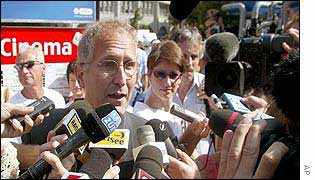 Ed Fagan has also represented victims of the Nazis Lawyers for victims of apartheid are beginning their courtroom battle in New York on Friday to demand billions of dollars in compensation from firms that did business in South Africa.
Ed Fagan, who won $1.25bn from Swiss banks for Nazi concentration camp survivors in 1998, is spearheading the class-action case, representing 20,000 South Africans. The New Jersey lawyer hopes to win $50bn-$80bn in damages from US, German and Swiss corporations that he alleges profited from apartheid.
Mr Fagan was expected to ask the judge to forbid any of the companies to destroy their archives pending any trial, which would still be at least six months away. He was also expected to announce the inclusion of British oil giant BP and financial services firm Barclays in the case on Monday in London. Allegations denied All are accused of helping to sustain South Africa's racist apartheid regime from 1948 to 1993. Spokesmen for UBS and Credit Suisse said in June that the banks would fight the case, which they say is without merit. And Royal Dutch Shell denied in a statement on Thursday that it had supported the apartheid regime. "Shell South Africa vigorously denies any suggestion that the company was supportive of the apartheid regime in South Africa," the company said. "Shell SA was vocal in its opposition to the apartheid system and publicly called for the lifting of all bans on political organisations and the release of political prisoners."
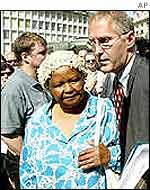
Mr Fagan's legal team say they expect their list of plaintiffs to grow into the thousands. One of their principle clients is Dorothy Molefi, the mother of 13-year-old Hector Peterson who died after police fired tear gas and live bullets at thousands of students taking part in anti-apartheid protests in Soweto in 1976. US law Mr Fagan argues they while none of the companies actually committed crimes such as this one, their investment in South Africa helped prop up the apartheid regime. The case is being made in US courts, under a law that allows non-citizens to file international human rights cases against companies with US interests. Some anti-apartheid activists have argued that going after damages in court does not sit well with South Africa's attempts to move beyond its past. But the former chairman of the country's Truth and Reconciliation Commission, Archbishop Desmond Tutu, has come out in favour of the action. "They should pay. They can afford it. And they should do it with dignity," Archbishop Tutu was quoted as saying in the Swiss magazine Facts. | | See also:  08 Aug 02 | Business 17 Jun 02 | Africa 17 Jun 02 | Business 19 May 00 | From Our Own Correspondent 27 Nov 00 | Africa Internet links: The BBC is not responsible for the content of external internet sites Top Americas stories now: Links to more Americas stories are at the foot of the page. | ||||||||||||||||||||||||||||||||||||||||||||||||||||||||||||||||||||||||||||||||||||||||||||||||||||||||||||||||||||||||||||||||||||||||||||||||||||||||||||||||||
| |
|  E-mail this story to a friend E-mail this story to a friend |
| |
| Links to more Americas stories |
| | | ||
 | ||||
 | | Back to top
| ||
| ---------------------------------------------------------------------------------- To BBC Sport>> | To BBC Weather>> | To BBC World Service>> ---------------------------------------------------------------------------------- © MMIII | News Sources | Privacy |