
|
 |
 | | | | | | ||||||||||||||||||||||||||||||||||||||||||||||||||||||||||||||||||||||||||||||||||||||||||||||||||||||||||||||||||||||||||||||||||||||||||||||||
| | | You are in: Business | ||||||||||||||||||||||||||||||||||||||||||||||||||||||||||||||||||||||||||||||||||||||||||||||||||||||||||||||||||||||||||||||||||||||||||||||||||
|
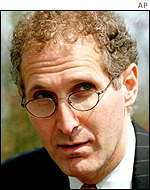
| | Thursday, 8 August, 2002, 21:38 GMT 22:38 UK Apartheid lawsuit targets British firms 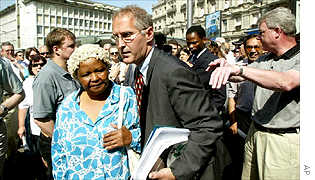 Lead attorney Ed Fagan was met with protests in Zurich The lawyer representing South Africans who suffered under apartheid is preparing to take action against two prominent British firms which he says benefited from the former regime. Ed Fagan, lead US lawyer and the architect of the apartheid cases, plans to announce on Monday in London that oil giant BP and financial services firm Barclays will be the next multinationals to be targeted under the suit.
He hopes to recover $50-80bn (�33-�52bn) in damages from the corporations, which had dealings with the South African government during the apartheid years. The plaintiffs allege that the corporations profited from loans to the white South African government between 1985 and 1993 while a United Nations embargo was in force. Corporate denial Friday's New York proceedings are just the beginning of what is expected to be a prolonged legal battle. Mr Fagan began his efforts in June by filing a complaint in a New York court in which he named US banking giant Citigroup, and Swiss bankers UBS and Credit Suisse.
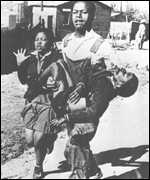
Among the crimes the plaintiffs allege is the death of Hector Peterson who died after police began firing tear gas and live bullets at thousands of students taking part in anti-apartheid protests in Soweto in 1976. Mr Fagan told BBC News that while the companies named in the case did not commit the crimes, their support of the apartheid government made it possible for its officials to carry out crimes against humanity. The case is being pursued in the American courts under laws permitting non-US citizens to file human rights claims against companies doing business in the United States. Corporations have vigorously defended the claims. A spokesman for UBS said in June that it considered the case to be totally without merit and said the bank would fight with every means available. No-one from Citigroup was available to comment on Thursday. Shredding documents The lawsuit comes at a time of increased government scrutiny of American corporate governance. The investigations follow numerous accounting scandals that include accusations of document shredding and destruction.
It is in that light Mr Fagan on Friday will ask a New York judge to enter an order preventing the companies from destroying evidence related to his case. "In today's corporate history, there's a lot of corporations that intentionally, unintentionally, coincidentally [or] accidentally destroy documents," Mr Fagan said. "We don't want any documents destroyed." Unwieldy strategy Mr Fagan is seeking to bring together all the plaintiffs under one suit, known as a class action. It was a strategy he used in a lawsuit against Swiss banks launched in 1996, in which he secured compensation for Holocaust survivors. The case led to several banks agreeing to pay $1.25bn to settle the legal action, arising from the alleged hoarding of holocaust victims' bank accounts after World War II. The recently launched apartheid lawsuit has been complicated by jurisdictional issues.
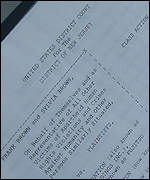
Mr Fagan so far has filed complaints in New York, California, Texas, Illinois and Washington, DC - and now New Jersey. It is an unwieldy strategy since multinational corporations have headquarters and offices all over the world. But it is all part of the process, he told BBC News. "Then what you do is you go to a panel and you say, 'bring them all together so that all the cases can be addressed by a single judge.'" Called to account Unlike recent complaints filed by the Justice Department in its pursuit of accounting misdeeds, Mr Fagan does not name individual executives or board members in his suit. He says, however, that the documents he will produce as evidence can be expected to show the names of directors who made decisions to work with South Africa's former oppressive government. The case is about a class of victim holding accountable the corporate criminals that committed these crimes, Mr Fagan says. "The bottom line is an innocent population was being victimised as the countries of the world watched." | |
See also:  19 Jun 02 | Africa 17 Jun 02 | Business 17 Jun 02 | Africa 17 Jun 02 | Africa 16 Jun 02 | Africa 14 Feb 02 | Business 26 Dec 99 | Africa 16 Feb 99 | Truth and Reconciliation Internet links: The BBC is not responsible for the content of external internet sites Top Business stories now: Links to more Business stories are at the foot of the page. | ||||||||||||||||||||||||||||||||||||||||||||||||||||||||||||||||||||||||||||||||||||||||||||||||||||||||||||||||||||||||||||||||||||||||||||||||
| |
|  E-mail this story to a friend E-mail this story to a friend |
| |
| Links to more Business stories |
| | | ||
 | ||||
 | | Back to top
| ||
| ---------------------------------------------------------------------------------- To BBC Sport>> | To BBC Weather>> | To BBC World Service>> ---------------------------------------------------------------------------------- © MMIII | News Sources | Privacy |




 TALKING POINT
 Apartheid