|
 |
 | | | | | | |||||||||||||||||||||||||||||||||||||||||||||||||||||||||||||||||||||||||||||||||||||||||||||||||||||||||||||||||||||||||||||||||||||||||||||||||||
| | | You are in: Business | |||||||||||||||||||||||||||||||||||||||||||||||||||||||||||||||||||||||||||||||||||||||||||||||||||||||||||||||||||||||||||||||||||||||||||||||||||||
|
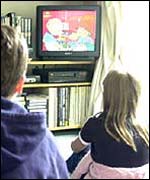
| | Thursday, 4 July, 2002, 00:48 GMT 01:48 UK Digital TV licence battle nears end The service would be provided through set-top boxes Media consortiums battling for the right to broadcast digital television channels in the UK will learn on Thursday whether their bids have been successful. Britain's commercial TV regulator is due to announce the winners of the digital terrestrial television licences surrendered by ITV Digital. The beleaguered company was forced to hand back the three multiplex licences on 1 May after its administrators failed to find a buyer. The UK's main TV networks are all in the running, with the BBC, ITV and Channel 4 among the applicants. The Independent Television Commission (ITC) has had to decide how to allocate the licences between four groups of bidders. Pay or free? Each multiplex licence allows the holder the right to carry four or more digital channels. The ITC can award all of the licences to one bidder or split them up, so the final outcome could be complicated. It could also prove controversial. Media analysts say the ITC risks being criticised for backing monopoly providers if it favours the BBC's link-up with BSkyB. And it risks being criticised for backing losers if it opts for ITV which is tainted by the failure of ITV Digital.
ITV Digital's collapse was triggered after it overpaid for football broadcasting rights to games which failed to attract enough viewers. The company's demise sparked a debate about whether enough viewers were willing to pay to watch digital terrestrial channels to make a pay TV service viable. The main difference between the various bidders is how they have chosen to tackle this question. The bids range from a fully free-to-air service to subscription services and a mix of pay TV and free-to-air. Four sets of bidders The BBC has teamed up with international wireless transmitter firm Crown Castle, proposing a free-to-air service which would carry some channels from BSkyB.
They have submitted complementary bids for all three available licences. Crown Castle has bid for two of the licences while the BBC has put in an offer for the third. Another free-to-air package has been put together by Digital Television Broadcasting (DTB) Ltd, which is backed by venture capital firm Apax Partners. ITV and Channel 4 have put in a joint bid offering a mix of free channels and what they call a "low-cost pay TV offering". They want two licences and their offer is conditional on the third licence being won by Freeview Plus. Freeview Plus was founded by David Chance and Ian West, both of them former top executives at BSkyB. Media analysts say the pair's experience at BSkyB should help to counter criticism that ITV lacks experience in pay TV. The fourth consortium is SDN, which is led by Lord Hollick's United Business Media and cable television operator NTL. It is offering a subscription-based service. Signal switchover ITV Digital's collapse also sparked controversy over whether the government's timescale to switch Britain over to digital viewing was realistic. The government has said it will turn off the analogue TV signal when 95% of British households have digital TV and has pencilled in a target date of 2010. The BBC has said its research has shown that 11 million households are "not yet interested" in pay TV. It has argued that only a free-to-air service will win enough viewers for digital channels to make the 2010 switchover possible. The BBC says viewers would be able to use their existing digital set top boxes to receive the new service by buying an adaptor for less than �100. The ITV, Channel 4 and Freeview consortium says it plans low cost set-top boxes backed by an agreed "kite-mark". | |
See also:  14 Jun 02 | Business 13 Jun 02 | Business 12 Jun 02 | Business 21 May 02 | Business 17 May 02 | Business 16 May 02 | Business 18 Jun 02 | Entertainment Top Business stories now: Links to more Business stories are at the foot of the page. | |||||||||||||||||||||||||||||||||||||||||||||||||||||||||||||||||||||||||||||||||||||||||||||||||||||||||||||||||||||||||||||||||||||||||||||||||||
| |
|  E-mail this story to a friend E-mail this story to a friend |
| |
| Links to more Business stories |
| | | ||
 | ||||
 | | Back to top
| ||
| ---------------------------------------------------------------------------------- To BBC Sport>> | To BBC Weather>> | To BBC World Service>> ---------------------------------------------------------------------------------- © MMIII | News Sources | Privacy |