|
 |
 | | | | | | ||||||||||||||||||||||||||||||||||||||||||||||||||||||||||||||||||||||||||||||||||||||||||||||||||||||||||||||||||||||||||||||||||||||||||||||||||||||||||||||||||||||||||||||||||||||||||||
| | | You are in: Business | ||||||||||||||||||||||||||||||||||||||||||||||||||||||||||||||||||||||||||||||||||||||||||||||||||||||||||||||||||||||||||||||||||||||||||||||||||||||||||||||||||||||||||||||||||||||||||||||
|
| | Wednesday, 26 June, 2002, 23:45 GMT 00:45 UK Russia wins G8 prize Joining the party: Vladimir Putin will get equal status Russia will host the 2006 summit of the world's richest and most powerful nations. The announcement by the Group of Eight (G8) during its summit in Canada is a key victory for Russian President Vladimir Putin.
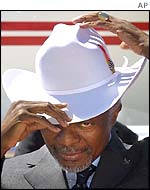
But it is unclear when Russia will take up full membership of the Group. Although the name was changed to G8 in 1997 to reflect Russia's growing involvement, it has not yet been invited to the meetings of finance ministers in the informal alliance. The reward for Russia was announced at the beginning of the two-day summit in the Rocky Mountain resort of Kananaskis, where discussion also took place on the global economy, airline safety after the 11 September attacks and dealing with weapons of mass destruction. The Middle East and global poverty are also on the agenda for the heads of the eight countries plus other invited guests including African and European leaders and United Nations Secretary General Kofi Annan. Protests against the summit, globalisation and the concentration of the world's riches in a few hands continued, but were muted and far away. 'Changing world' The statement welcoming Russia said: "The world is changing. Russia has demonstrated its potential to play a full and meaningful role in addressing the global problems that we all face.
British Prime Minister Tony Blair said: "It's a very big step forward and it's a very strong message of support for President Putin and his reforms in Russia." Mr Putin arrived in Canada a day after the other leaders and was not invited to a pre-summit dinner or the beginning of the first session, though Russia has been involved with the meetings since the break-up of the Soviet Union. Transport security Later, the leaders agreed to a set of "co-operative" actions to promote "greater security of land, sea and air transport, while facilitating the cost-effective and efficient flow of people, cargo and vehicles for legitimate economic and social purposes". Specifically, they want to:
The leaders are being guarded by thousands of police within a 20-mile (36-kilometre) security zone and there is a single road into the resort with 16 checkpoints.
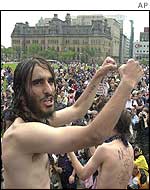
Demonstrators, barred from the mountain retreat, chanted and banged drums in protest marches in Calgary, some 55 miles (90km) away and in a rain-drenched Canadian capital, Ottawa. But there was little sign of trouble beyond traffic jams and angry commuters. On the final day of the summit, the G8 leaders will be joined by four key African presidents, including South African President Thabo Mbeki.
This involves the gradual transfer of $65bn in fresh private and public resources to Africa over the next decade in return for improved governance and an attack on corruption.
Africa has fallen further behind the rest of the world in the last two decades, as falling commodity prices, wars, and the ravages of diseases such as HIV/Aids have hurt economic growth. | |
Top Business stories now:  Links to more Business stories are at the foot of the page. | ||||||||||||||||||||||||||||||||||||||||||||||||||||||||||||||||||||||||||||||||||||||||||||||||||||||||||||||||||||||||||||||||||||||||||||||||||||||||||||||||||||||||||||||||||||||||||||
| |
|  E-mail this story to a friend E-mail this story to a friend |
| |
| Links to more Business stories |
| | | ||
 | ||||
 | | Back to top
| ||
| ---------------------------------------------------------------------------------- To BBC Sport>> | To BBC Weather>> | To BBC World Service>> ---------------------------------------------------------------------------------- © MMIII | News Sources | Privacy |