|
 |
 | | | | | | |||||||||||||||||||||||||||||||||||||||||||||||||||||||||||||||||||||||||||||||||||||||||||||||||||||||||||||||||||||||||||||||||||||||||||||||||||||||||||||||||||||||||||||||||||||||||||
| | | You are in: Americas | |||||||||||||||||||||||||||||||||||||||||||||||||||||||||||||||||||||||||||||||||||||||||||||||||||||||||||||||||||||||||||||||||||||||||||||||||||||||||||||||||||||||||||||||||||||||||||||
|
| | Tuesday, 5 November, 2002, 00:16 GMT US elections lack clear theme  BBC Washington correspondent Nick Bryant looks at the themes or lack thereof in the US midterms and sees trouble ahead for the leaderless Democratic Party. The theme of the 2002 mid-terms is there is no theme. It has been a confounding, befuddling and bizarre campaign. For the past month, we have tried to identify an issue or over-arching motif which makes sense of it all. We have searched for that single thread which ties together this colourful patchwork of electoral contests. And we have come up short. Pick your plot line Some are calling it the Seinfeld election, "a patternless, meandering campaign about nothing", in the words of The Economist. Others say it has the look of Jurassic Park, with political dinosaurs, like 74-year-old Walter Mondale and 78-year-old Frank Lautenberg, wheeled out of retirement to embark on one more political mission.
The twisted plots lines which led up to the "retirement" of New Jersey Senator Robert Torricelli had something of The Sopranos about them. And a brief spell on the campaign trail in the farming communities of South Dakota felt more like Little House on the Prairie. Pick your favourite legal drama - LA Law, Ironside, Law and Order or Crime Scene Investigation - as a metaphor for the thousands of lawyers from the Republican National Committee and Democratic National Committee currently fanning out across this country to fight the election results in the courts if the outcome isn't settled in the polling booth. And Survivor is perhaps appropriate for Governor Jeb Bush and his fight for re-election in Florida. Dubya's coat-tails So what should we make of this rather odd campaign season, the first congressional elections since the terrorist attacks of 11 September? Without question, the Republicans have tried to make this a Stars and Stripes election.
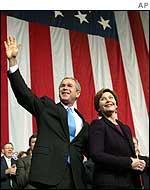
They want to cash-in on the post-9/11 popularity of George W Bush. Barnstorming through 15 states in the past five days alone, the president has become the campaigner-in-chief. The question is: how big are his coat-tails? The truth is that President Bush has been an impressive campaigner. He speaks much more fluently when he breaks free of the Washington hothouse. That said, his attempts to insert the showdown with Iraq into the campaign haven't really come off. Only about 10% of voters think that the future of Saddam Hussein is the dominant issue in this election. The bombast of war has been drowned out by issues closer to home. The president has had more success talking about 'homeland security', and gets big applause when he rails against Democrats in the Senate who have blocked Administration attempts to create a new Department of Homeland Defence. Leaderless Democrats For their part, the Democrats have tried to make election this election about "kitchen table" issues: jobs, education, pensions and social security. They've had some success. Visit states like South Dakota, and voters will tell you that jobs and the prohibitive cost of prescription drugs top their list of unsettled grievances. But the party has failed to whip up the discontent felt by millions of voters into a fierce backlash against the White House. America's "corporate crime wave" should have been a silver bullet for the Democrats.
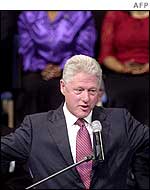
But boardroom scandals, from Enron to WorldCom, have been blamed largely on greedy and corrupt chief executives, despite the Democrats' best efforts to implicate members of the Bush administration. Similarly, concerns over the steep losses in the value of shares on Wall Street have not been laid at the door of the president. The Democrats banked on economic worries giving them a huge boost. They haven't. The Democrats are on the defensive. Future historians might find that rather odd. The truth is that they have lacked a cheerleader to rival President Bush. With no clear national leader, Bill Clinton has been wheeled out in places like Florida to energise the Democratic base. But in states like Missouri and South Dakota, his presence would do the party more harm than good. Almost two years after leaving office, Mr Clinton remains the most polarising figure in America. Trouble in 2004? One of the most notable features about this entire campaign is the lack of Democratic talent on display. That does not bode well for the party in 2004, when the party will have to cast around for a candidate to take on President Bush. As national spokesmen, Senate Majority leader Tom Daschle and House Minority leader Dick Gephardt simply do not cut it. And Al Gore looks as awkward as ever. The rest are too green, too old, too liberal or simply too stale to take up the mantel. Just about the only Democrat whose standing has grown during these past few weeks is the late Paul Wellstone. Certainly, the Republicans go into this election more confident than their Democratic rivals. For the GOP, "it's the President - stupid". Campaign diary | |
Internet links:  The BBC is not responsible for the content of external internet sites Top Americas stories now: Links to more Americas stories are at the foot of the page. | |||||||||||||||||||||||||||||||||||||||||||||||||||||||||||||||||||||||||||||||||||||||||||||||||||||||||||||||||||||||||||||||||||||||||||||||||||||||||||||||||||||||||||||||||||||||||||
| |
|  E-mail this story to a friend E-mail this story to a friend |
| |
| Links to more Americas stories |
| | | ||
 | ||||
 | | Back to top
| ||
| ---------------------------------------------------------------------------------- To BBC Sport>> | To BBC Weather>> | To BBC World Service>> ---------------------------------------------------------------------------------- © MMIII | News Sources | Privacy |