|
 |
 | | | | | | |||||||||||||||||||||||||||||||||||||||||||||||||||||||||||||||||||||||||||||||||||||||||||||||||||||||||||||||||||||||||||||||||||||||||||||||||||||||||||||||||||||||
| | | You are in: Africa | |||||||||||||||||||||||||||||||||||||||||||||||||||||||||||||||||||||||||||||||||||||||||||||||||||||||||||||||||||||||||||||||||||||||||||||||||||||||||||||||||||||||||
|
| | Friday, 8 November, 2002, 11:19 GMT Burundi peace talks collapse 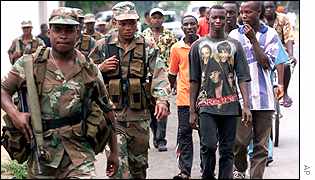 South Africans are trying to bring peace to Burundi Talks between Burundi President Pierre Buyoya and ethnic Hutu rebels have ended without them agreeing a ceasefire. Regional leaders had imposed a deadline which expired at midnight local time (2100 GMT) on Thursday for a deal to be reached.
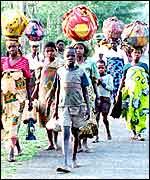
Regional leaders will now decide whether to carry out their threat to impose sanctions on the groups deemed responsible for the impasse. Some 200,000 people, mostly civilians, have been killed in Burundi's nine-year civil war. Fresh fighting A power-sharing arrangement between ethnic Hutus and Tutsis was inaugurated a year ago, but two Hutu rebel groups have continued to fight. Tens of thousands of people have fled their homes in Burundi over the past week amid fresh fighting between government forces and FDD rebels.
The FDD refused to sign a draft ceasefire until their political demands had been met. Ethnic Tutsis, who make up 15% of the population, have traditionally dominated Burundi and this has continued since independence, angering the Hutu majority. Under the power-sharing deal, Tutsi President Pierre Buyoya is due to swap places with his Hutu Vice-President Domitien Ndayizeye on 1 May 2003. But the rebel groups still fighting say that while Tutsis dominate the army, a Hutu president would be mere window dressing. Last week, another rebel group, the National Liberation Forces (FNL), pulled out of the talks in Dar es Salaam. On Wednesday, Mr Zuma urged all parties to reach a deal. "They owe it to the people of Burundi and the whole of the African continent to finalise this process and lay a firm foundation for peace and stability in Burundi," Mr Zuma said after meeting the two delegations separately. Aid needed A key stumbling block is the issue of disarmament. The government delegates rejected a plan for simultaneous disarmament of the army and the militias, saying that disarming the army would be "disastrous," Radio Burundi reported on Wednesday. About 45,000 people fled their homes in Gitega province earlier this week, adding to the 10,000 who were displaced by the fighting last week. The FDD were involved in the fighting, but they deny provoking it. "The FDD have declared a unilateral cessation of hostilities, and our forces have not attacked, they have simply defended themselves against the army's attacks," FDD official Silaf Ntigururwa was quoted as saying. The BBC's Prime Ndikumagenge in the capital Bujumbura says that as a result of the fighting, thousands of civilians now need help urgently. | |
See also:  04 Nov 02 | Africa 21 Oct 02 | Africa 08 Oct 02 | Africa 04 Oct 02 | Africa 09 Nov 01 | Africa 04 Jul 02 | Africa Internet links: The BBC is not responsible for the content of external internet sites Top Africa stories now: Links to more Africa stories are at the foot of the page. | |||||||||||||||||||||||||||||||||||||||||||||||||||||||||||||||||||||||||||||||||||||||||||||||||||||||||||||||||||||||||||||||||||||||||||||||||||||||||||||||||||||||
| |
|  E-mail this story to a friend E-mail this story to a friend |
| |
| Links to more Africa stories |
| | | ||
 | ||||
 | | Back to top
| ||
| ---------------------------------------------------------------------------------- To BBC Sport>> | To BBC Weather>> | To BBC World Service>> ---------------------------------------------------------------------------------- © MMIII | News Sources | Privacy |