|
 |
 | | | | | | ||||||||||||||||||||||||||||||||||||||||||||||||||||||||||||||||||||||||||||||||||||||||||||||||||||||||||||||||||||||||||||||||||||||||||||||||||||||||||||||||||||||||||||||||||||||||||||||||
| | | You are in: Africa | ||||||||||||||||||||||||||||||||||||||||||||||||||||||||||||||||||||||||||||||||||||||||||||||||||||||||||||||||||||||||||||||||||||||||||||||||||||||||||||||||||||||||||||||||||||||||||||||||||
|
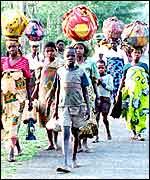
| | Tuesday, 8 October, 2002, 16:35 GMT 17:35 UK African leaders warn Burundi rebels 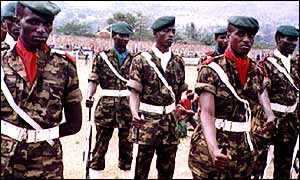 The country is in the grip of a nine-year civil war Five African heads of state have given the two main rebel groups in Burundi 30 days to agree a ceasefire accord or face unspecified measures. Two smaller factions of the main rebel groups did sign a ceasefire with the government.
The signing ceremony, after a day of negotiations, was witnessed by representatives from Tanzania, the Democratic Republic of Congo, Uganda and South Africa. 'Time is running out' South African Vice President Jacob Zuma said he was not disappointed by the result of the summit. "The important thing is that two of the armed groups signed a ceasefire agreement, laying the basis of us moving quicker to stopping the fight in Burundi," he told the BBC Focus on Africa programme. "Time is running out, he said, "and it is now high time heavy pressure be applied on the armed groups, otherwise you're not allowing that process of peace and stability in Burundi to take root and be guaranteed". President Yoweri Museveni of Uganda, who chaired the talks, said: "We shall continue to put pressure on those who don't want peace talks in Burundi until the people of Burundi achieve their dream of self-governance." Talks last month between the Burundian government and some of the main rebel groups failed to make any headway, and fighting has been intensifying in recent weeks. The assassination of the democratically elected Hutu president, Melchior Ndadaye, in 1993, sparked off the war between mostly Hutu rebel movements and the regular army, which is dominated by the Tutsi minority. Heavy toll At least 200,000 people, most of them civilians, have been killed, but many deaths go unreported.
In September, 173 people were killed in Gitega province, and two army officers were arrested last week in connection with the massacre. The rebels have also been blamed for many of the casualties of the war. One of the main movements, the Forces for the Defence of Democracy (FDD) has been using the Democratic Republic of Congo as a rearbase to launch its attacks. | |
See also:  04 Oct 02 | Africa 12 Aug 02 | Africa 05 Aug 02 | Africa 14 Jul 02 | Africa 05 Apr 02 | Africa 25 Dec 01 | Africa 04 Jul 02 | Africa 07 Mar 02 | Country profiles Internet links: The BBC is not responsible for the content of external internet sites Top Africa stories now: Links to more Africa stories are at the foot of the page. | ||||||||||||||||||||||||||||||||||||||||||||||||||||||||||||||||||||||||||||||||||||||||||||||||||||||||||||||||||||||||||||||||||||||||||||||||||||||||||||||||||||||||||||||||||||||||||||||||
| |
|  E-mail this story to a friend E-mail this story to a friend |
| |
| Links to more Africa stories |
| | | ||
 | ||||
 | | Back to top
| ||
| ---------------------------------------------------------------------------------- To BBC Sport>> | To BBC Weather>> | To BBC World Service>> ---------------------------------------------------------------------------------- © MMIII | News Sources | Privacy |