|
 |
 | | | | | | ||||||||||||||||||||||||||||||||||||||||||||||||||||||||||||||||||||||||||||||||||||||||||||||||||||||||||||||||||||||||||||||||||||||||||||||||||||||||||||||||||||||||||||||||||
| | | You are in: Africa | ||||||||||||||||||||||||||||||||||||||||||||||||||||||||||||||||||||||||||||||||||||||||||||||||||||||||||||||||||||||||||||||||||||||||||||||||||||||||||||||||||||||||||||||||||||
|
| | Tuesday, 30 July, 2002, 22:13 GMT 23:13 UK Searching for a Sudan truce 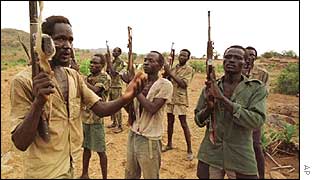 About two million people have been killed in the conflict
Tribal dancers waving ceremonial spears had taken over the car park, women sent piercing cries of ululation out into the night, and two little girls in white dresses held doves by the wings. It was all to mark the triumphant return of the government's delegation to peace talks with rebels of the Sudanese People's Liberation Army (SPLA), who have been fighting to carve out an independent state in the south of the country.
In fact, the past two weeks have been among the most optimistic of a 20-year conflict which has seen some two million people killed. Elusive ceasefire In the unexpected breakthrough being celebrated at Khartoum airport, the two sides signed a framework agreement. It grants the rebels a referendum on independence and exempts the mainly Christian south from the Sharia law which applies in the Muslim North.
But the latest fighting does highlight the most important failure of the talks so far - the inability of both sides to agree a ceasefire before discussions resume on 12 August. The spokesman for the Khartoum government's negotiating team, Sayed al-Khatib, told me: "There is no guarantee the hostilities will cease during this period... but there is political will to end this, to culminate in the signing of a treaty and a cessation of all kinds of hostilities." US intervention If this war is almost over, it is because the US decided to end the chaos it believed made Sudan a haven for groups like al-Qaeda. Without American pressure, it is thought the government would never have accepted the possibility that the south could become a separate state, with control over some of the country's vast oil wealth.
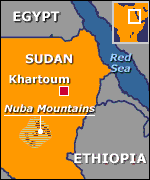
The information minister, Mahdi Ibrahim, told me Khartoum did not want to see the break-up of Sudan, but would acquiesce if that was what peace demanded. "Ultimately if the choice of the southerners went to the stage of secession, it's a risk of peace. We have to end the suffering of our people," he said. The first fruits of the American engagement are seen in the Nuba mountains, in central Sudan, where unlike the rest of the country, there is a ceasefire in force between the government and the rebels. International monitors It is monitored by a nine-strong group of nations and although there have been almost 100 ceasefire violations reported, only a handful have been serious.
The chief of staff of the international mission is a British colonel, Robert Symonds. Taking a helicopter flight over his "patch" in the Nuba mountains - some 80,000 square kilometres (31,000 square miles), an area the size of Austria - he told me both sides were desperate for peace, if only as a means to end their grinding poverty. "Weapons should be put away in a gradual and sustained process," he said, "then we can get the NGOs in here to start on repairing the infrastructure." "If people's minds can be turned towards getting good schools for their children, irrigation, roads that will last through the rainy season, trade between the villages will increase... it will take them away from the conflict," he added. Food for peace For the SPLA rebels, the Nuba ceasefire was tactical. They knew that calling a halt to the fighting there was the only way the government would allow desperately needed food aid to be sent to their people.
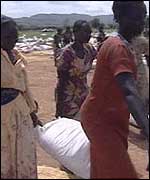
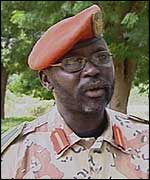
Without UN food drops, which are still continuing in the Nuba mountains, thousands in rebel-held territory might have faced starvation. But one of the problems in moving from a Nuba ceasefire to a country-wide ceasefire - and then to a final settlement - is the status of the Nuba people themselves. The commander of the rebel SPLA in Nuba, Brigadier Ismail Jallab, said he did not accept the government's claim that his region would be in the north if Sudan did split. "We feel that we are much closer to the south, we have so many common things... we are African, they are African, we are Christian, they are Christian. What we are rejecting is the Arabisation of the south by the north," he said. | |
See also:  30 Jul 02 | Africa 28 Jul 02 | Media reports 27 Jul 02 | Africa 21 Jul 02 | Media reports 21 Jul 02 | Africa 21 Jul 02 | Africa 09 Jul 02 | Africa 02 Jul 02 | Africa 01 Jul 02 | Africa Internet links: The BBC is not responsible for the content of external internet sites Top Africa stories now: Links to more Africa stories are at the foot of the page. | ||||||||||||||||||||||||||||||||||||||||||||||||||||||||||||||||||||||||||||||||||||||||||||||||||||||||||||||||||||||||||||||||||||||||||||||||||||||||||||||||||||||||||||||||||
| |
|  E-mail this story to a friend E-mail this story to a friend |
| |
| Links to more Africa stories |
| | | ||
 | ||||
 | | Back to top
| ||
| ---------------------------------------------------------------------------------- To BBC Sport>> | To BBC Weather>> | To BBC World Service>> ---------------------------------------------------------------------------------- © MMIII | News Sources | Privacy |