|
 |
 | | | | | | |||||||||||||||||||||||||||||||||||||||||||||||||||||||||||||||||||||||||||||||||||||||||||||||||||||||||||||||||||||||||||||||||||||||||||||||||||||||||||||||||||||
| | | You are in: Programmes: Monarchy | |||||||||||||||||||||||||||||||||||||||||||||||||||||||||||||||||||||||||||||||||||||||||||||||||||||||||||||||||||||||||||||||||||||||||||||||||||||||||||||||||||||||
|
| | Friday, 7 June, 2002, 09:42 GMT 10:42 UK Deborah Thomas: Monarchist Deborah Thomas is a chartered accountant from London and was born on 9 November 1977. She is a staunch royal supporter. What is your background? I was born and brought up in Richmond, in London. I went to university at Cambridge, where I read Land Economy. My mother is from India and my father is from Wales. I am Jewish by birth. Have you always been a monarchist? For the entirety of my adult life. Do you think it will be easy to change your point of view on the monarchy? I will always listen to new ideas and if I disagree with them will try and create a coherent argument against them, rather than ignoring them because they do not suit my case. Elizabeth II became Queen aged 25 years old, the same age as you are now. How would you feel to have inherited so much responsibility at your age?
However, the Queen would have had time to prepare for the role - ever since her uncle abdicated in 1936. Despite this, she would not have been prepared for the premature death of her father. It is a testament to her sense of duty that she was able to take to the role so quickly. My ability to take on that responsibility would therefore depend on my sense of duty to the cause and the urgency of the responsibility - people often have a remarkable ability to adapt when circumstances force them to. Tell us more about your experiences and how you formed your opinions on the monarchy? My father was born in Wales and came to London after he graduated from university. He has always held a different political viewpoint to myself (he is a Liberal and I am a paid-up member of the Conservative Party). I believe my father to be sympathetic towards the monarchy, though it is not something we debated among ourselves as much as we did politics. My mother was born into a wealthy Jewish family in Kerala, India. Her side of the family was traditionally more pro-monarchy because of the close relationship they had with the British during the colonial era. During the second world war, my mother's family sold copper and gold to the British to support the war effort. For them, the then King George and Queen Elizabeth were not only the monarchs of the colonisers and their empire, but also figureheads for the free world. In the 1950s, my mother's family left India for ideological reasons and emigrated to Israel; it was only then that they heard about the holocaust. My mother then came to England to do her law degree, where she eventually settled, having married my father. One of my strongest memories of my mother and the monarchy was her helping me with my Tudor history - she seemed to be able to recount names and dates in a way I had not seen before!
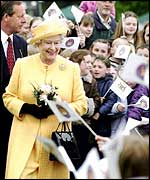
Afterwards she came to speak to me, which I remember was one of the most exciting occasions I had ever had then. After primary school, I went to a private girls' day school and it was here that my own political and economic philosophies began to develop. Although there were always people who were anti-monarchy at school, by and large, the majority of people I knew supported the monarchy at least passively, in so far as they could not see a better alternative. At university I began to take a much greater interest in politics. I also studied constitutional law in my first year, which gave me the tools and knowledge to develop my pro-monarchy bent much more deeply. It was there that I first met real anti-monarchists; although I didn't change my mind during our frequent arguments. Hearing the alternative viewpoint, allowed me to articulate my own opinions in a more proactive and pre-emptive manner. Finally at work, I believe the situation to be much as it was at school - I've never heard any strong opposition to the monarchy, but nor have I ever had any lengthy debates on the matter either. Now try and change Deborah's mind about the monarchy by sending her your comments via the form below | |
  Follow our throne cam  The best ideas Links to more Monarchy stories are at the foot of the page. | |||||||||||||||||||||||||||||||||||||||||||||||||||||||||||||||||||||||||||||||||||||||||||||||||||||||||||||||||||||||||||||||||||||||||||||||||||||||||||||||||||||
| |
|  E-mail this story to a friend E-mail this story to a friend |
| |
| Links to more Monarchy stories |
| | | ||
 | ||||
 | | Back to top
| ||
| ---------------------------------------------------------------------------------- To BBC Sport>> | To BBC Weather>> | To BBC World Service>> ---------------------------------------------------------------------------------- © MMIII | News Sources | Privacy |