|
 |
 | | | | | | ||||||||||||||||||||||||||||||||||||||||||||||||||||||||||||||||||||||||||||||||||||||||||||||||||||||||||||||||||||||||||||||||||||||||||||||||||||||||||||||||||||||||||||||
| | | You are in: Programmes: Monarchy | ||||||||||||||||||||||||||||||||||||||||||||||||||||||||||||||||||||||||||||||||||||||||||||||||||||||||||||||||||||||||||||||||||||||||||||||||||||||||||||||||||||||||||||||||
|
| | Friday, 7 June, 2002, 09:43 GMT 10:43 UK Sex and the royals Has the Queen been living in the shadow of her father?
The most powerful woman of her caste, a person of inordinate riches, the beneficiary of ingenious myth-making and improvised traditions. Queen Elizabeth II apparently had every opportunity to transform the monarchy, to modernise and thus to cement its future in an age of declining deference. But no. Though she is undoubtedly one of her dynasty's most successful monarchs, her triumph is less an index of her personal powers. They are more a sign of the English Establishment's extraordinary grip on British society and the craven failure of any Parliamentary party to sponsor any debate about a British Republic. "Anti-moderniser" The Queen obliged her caste by being an anti-moderniser, a monarch in the manner of a man.
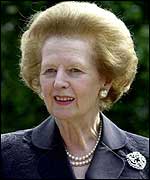
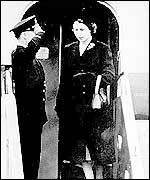
Both Queen Elizabeth and the other most powerful woman of her time, Margaret Thatcher, refused to draw on the collective wisdoms and ambitions of their gender. Far from lending their strengths to the interests of other women, they brought the mantle of femininity to the patriarchal system. But it was at precisely that moment in history that patriarchy - as a way of organising the privileged and power of men in families and societies - was losing its legitimacy. Instead of changing the cultures and priorities of the monarchy, and of parliamentary politics, the Queen steadfastly honoured institutions that were among the most masculinised in British society. "Shadow of her father" In the wake of her father's death, the young Elizabeth vowed to reign as he would have done.
She clung to the cult of supremacy, expressed in sovereignty and personal dominion that is, of course, the whole purpose of the monarchy. Unlike the Dutch or Norwegian monarchy, which saw modernisation in a more modest monarchy, one which rendered their royal families more like the people they claimed to serve, Queen Elizabeth showed ill-disguised contempt for their bicycling ways. She insisted instead upon a sovereignty as the sign that she was not a servant of the people, but their consecrated superior. "Unprepared" By bequeathing these values to her son and heir, Prince Charles, she left him utterly unprepared for the challenge of a woman (his wife). Princess Diana wanted something more ordinary - and yet apparently extraordinary among the Windsors - a companion, an equal, someone who would co-operate in the care of his children. Her dynasty skilfully invented traditions - typically the investiture of her son as the Prince of Wales - not to synchronise with the age of democracy but to resist its potential incursions on her place and power. The Royals' purpose was to put on a good show, to be seen, and above all to be seen being supreme. That is why at the end of her reign many Britons are thinking the unthinkable - that the dynasty of Queen Elizabeth, the dull and the dutiful, is now a dying species. | |
  Follow our throne cam  The best ideas Links to more Monarchy stories are at the foot of the page. | ||||||||||||||||||||||||||||||||||||||||||||||||||||||||||||||||||||||||||||||||||||||||||||||||||||||||||||||||||||||||||||||||||||||||||||||||||||||||||||||||||||||||||||||
| |
|  E-mail this story to a friend E-mail this story to a friend |
| |
| Links to more Monarchy stories |
| | | ||
 | ||||
 | | Back to top
| ||
| ---------------------------------------------------------------------------------- To BBC Sport>> | To BBC Weather>> | To BBC World Service>> ---------------------------------------------------------------------------------- © MMIII | News Sources | Privacy |