|
 |
 | | | | | | ||||||||||||||||||||||||||||||||||||||||||||||||||||||||||||||||||||||||||||||||||||||||||||||||||||||||||||||||||||||||||||||||||||||||||||||||||||||||||||||||||||||||||||||||||||||||||
| | | You are in: Programmes: 4x4 Reports | ||||||||||||||||||||||||||||||||||||||||||||||||||||||||||||||||||||||||||||||||||||||||||||||||||||||||||||||||||||||||||||||||||||||||||||||||||||||||||||||||||||||||||||||||||||||||||||
|
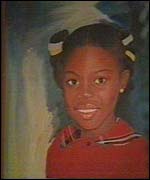
| | Monday, 16 December, 2002, 14:05 GMT The dream that led to death  The Climbies raised funds to bring Victoria's body home After visiting Victoria Climbie's Ivory Coast home, BBC newsreader Fiona Bruce questions whether life in prosperous, educated Britain is really better than the love and sense of family she found in poverty-ridden Africa. The first thing you notice as you stand at the simple graveside of eight-year-old Victoria Climbie is the sound of the waves rolling on the Ivory Coast shore just a hundred yards away. It is a beautiful and peaceful place. Many of the graves are just mounds of earth; for Victoria, the Climbie family bought the finest grave they could afford. A coffin-shaped oblong, covered in what look like green bathroom tiles. There is no name on it, but they intend to laminate a photo of Victoria and stick it to one of the tiles. This is her final resting place.
Smears of her blood were found on the walls of every room, and she had 128 separate injuries, the evidence of countless beatings. Victoria's death at the hands of her great aunt Marie-Therese Kouao and her boyfriend on 25 February 2000 will go down as one of the worst cases of child abuse Britain has ever seen. One which exposed the shameful failings not just of social services, but also the police, hospital consultants, religious leaders, even the NSPCC.
I dreaded it. As a mother, I could hardly bear to read the inquiry cuttings - how on earth could I discuss Victoria's death with her parents? 'Unmistakable love' Their house is in the suburb of Abidjan, the Ivory Coast capital, which is hot, noisy and chaotic. They live along a dirt track, in a block of three-room houses. When I arrived, there were kids playing, lads around a table playing cards, music blaring from a ghetto blaster. Francis and Berthe came out to greet me, surrounded by their six remaining children. We chatted just to break the ice and gradually the music got louder, the children began to dance and within half an hour there was a party going on.
But they were all healthy, and there was a unmistakable atmosphere of warmth and love. There was a true sense of community. I asked Francis and Berthe why they had sent Victoria away. The answer was simple: "La petite", as they call her, was exceptionally bright and the local school has almost no teaching materials. Only in Europe, they believed, could she have a decent education and a better future. It was a terrible wrench to let her go but they trusted Marie-Therese implicitly. Strong family It has horrible echoes of little Damilola Taylor whose family came to Britain seeking a brighter future but whose life ended in tragedy. When Berthe and Francis asked me how it was possible that a little girl could be tortured to death in a country as prosperous and educated as Britain, without anyone noticing, I felt ashamed. Berthe suffers from depression now and still cries often. Francis's business went bust when Victoria died. Yet they carry on - their family is strong and they have a deep faith in God. Berthe believes in forgiveness. I asked her whether she had been able to forgive Marie-Therese. She paused. School memorial Eventually, her response was fierce. She knew God would forgive Marie-Therese, as he forgives all sinners, but Marie-Therese was an animal, not fit to live among humans, and what comforted her was that such an animal was in prison for life. The Climbies are now trying to raise money for a new school so that children like Victoria will not have to go away for an education. Certainly, they will never send away another of their own. Victoria's Story: 4x4 Reports was on BBC One on Monday 16 December at 1930 GMT. | |
Internet links:  The BBC is not responsible for the content of external internet sites | ||||||||||||||||||||||||||||||||||||||||||||||||||||||||||||||||||||||||||||||||||||||||||||||||||||||||||||||||||||||||||||||||||||||||||||||||||||||||||||||||||||||||||||||||||||||||||
 | |
|  E-mail this story to a friend E-mail this story to a friend |
| |
| Links to more 4x4 Reports stories |
| | | ||
 | ||||
 | | Back to top
| ||
| ---------------------------------------------------------------------------------- To BBC Sport>> | To BBC Weather>> | To BBC World Service>> ---------------------------------------------------------------------------------- © MMIII | News Sources | Privacy |




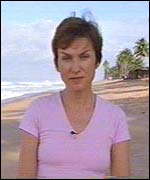
 When Berthe and Francis asked me how it was possible that a little girl could be tortured to death in a country as prosperous and educated as Britain, without anyone noticing, I felt ashamed.