|
 |
 | | | | | | ||||||||||||||||||||||||||||||||||||||||||||||||||||||||||||||||||||||||||||||||||||||||||||||||||||||||||||||||||||||||||||||||||||||||||||||||||||||||
| | | You are in: In Depth: Leicester 2002 | ||||||||||||||||||||||||||||||||||||||||||||||||||||||||||||||||||||||||||||||||||||||||||||||||||||||||||||||||||||||||||||||||||||||||||||||||||||||||||
|
| |  Tuesday, 10 September, 2002, 17:45 GMT 18:45 UK Tuesday, 10 September, 2002, 17:45 GMT 18:45 UK Basking sharks tracked by satellites 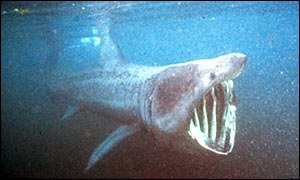
The researchers have been tracking the movements of the giant fish in the northeast Atlantic and have found that the creatures do not sleep on the ocean floor during the winter as many people have speculated. The satellite data also show that the animals can travel thousands of kilometres in search of food and that they dive to great depths. Scientists hope the work will help them better understand the endangered animals and aid their conservation. Big Fish Twenty-one basking sharks have been tagged and are being monitored by satellite as part of a three-year UK Government-funded survey. The animal is the world's second largest fish and the biggest in British waters. The data collected by the Marine Biological Association show that basking sharks can cover huge distances when looking for plankton, their food source. One swam from the English Channel, around the West Coast of Ireland and to the Hebrides in 76 days, searching for food. Another one of the sharks dived to a depth of 750 metres - much deeper than scientists ever imagined. Better protection Dr David Sims, speaking at the British Association's science festival in Leicester, said basking sharks were thought to hibernate in deep waters when food was scarce by resting on continental shelf canyons. "We've been able to prove that basking sharks don't hibernate at all," said the researcher. They remained active all year round, he added. "They track the plankton both in space and time and they're incredibly active in terms of searching through the water column. They're utilising a huge expanse of the ocean to prospect for this plankton." The basking shark is protected in waters within 20 kilometres of the British coast. Dr Sims said his team's work was groundbreaking, as it demonstrated the sharks travelled much further afield than had previously been recognised. It meant the area where the sharks were protected should be enlarged, he added. | |
See also:  25 Feb 01 | Science/Nature Internet links: The BBC is not responsible for the content of external internet sites Top Leicester 2002 stories now: Links to more Leicester 2002 stories are at the foot of the page. | ||||||||||||||||||||||||||||||||||||||||||||||||||||||||||||||||||||||||||||||||||||||||||||||||||||||||||||||||||||||||||||||||||||||||||||||||||||||||
| |
|  E-mail this story to a friend E-mail this story to a friend |
|  |
| Links to more Leicester 2002 stories |
| | | ||
 | ||||
 | | Back to top
| ||
| ---------------------------------------------------------------------------------- To BBC Sport>> | To BBC Weather>> | To BBC World Service>> ---------------------------------------------------------------------------------- © MMIII | News Sources | Privacy |