|
 |
 | | | | | | |||||||||||||||||||||||||||||||||||||||||||||||||||||||||||||||||||||||||||||||||||||||||||||||||||||||||||||||||||||||||||||||||||||||||||||||||||||||||||||||||||||||||
| | | You are in: In Depth | |||||||||||||||||||||||||||||||||||||||||||||||||||||||||||||||||||||||||||||||||||||||||||||||||||||||||||||||||||||||||||||||||||||||||||||||||||||||||||||||||||||||||||
|
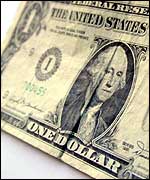
| | Tuesday, 18 June, 2002, 18:02 GMT 19:02 UK UN prices poverty at two dollars The UN says more people are worse off
The United Nations Conference on Trade and Development (Unctad) has produced some startling statistics in its annual report on the world's 49 poorest countries published on Tuesday.
Abandoning attempts to define poverty by its consequences - hunger, powerlessness, lack of access to health care, education or clean water - the authors look simply at lack of money. You are poor if you are trying to live on less than two dollars a day - anyone with less than one dollar a day is living in extreme poverty.
Firstly, in the Least Developed Countries this degree of poverty is all-pervasive. More than 80 % of people have less than two dollars and in African LDCs 65 % have less than one dollar a day. Secondly, poverty is getting worse. The number of people in these countries living in extreme poverty has more than doubled in the past 30 years. Raw material trap The decline has been most marked in Africa, and most marked of all in countries whose economies are dependent on primary commodities, especially those who depend on mineral production. The countries where poverty has fallen are those which have diversified into processing, manufacturing and the service industries.
Radical Third World leaders like Kwame Nkrumah preached this gospel 50 years ago, but African countries have had very little outside encouragement to diversify. The other key finding is that the poorest countries need to go for growth before they start worrying about targeted poverty-reduction strategies. Where almost everyone is poor, generalised economic growth will lift a large number of people out of extreme poverty. It is only when a country reaches the stage where extreme poverty affects only, say, the bottom 20% (as in many Asian countries) that the government has to start worrying about targeting its policies at those who have got left behind. The doubt expressed by this report about the IMF and World Bank's current poverty reduction strategies is that countries are still afraid to stray too far from the old structural adjustment model. And this, for the poorest countries, has failed to deliver growth. The message is that if the national cake is just too small, it doesn't matter how carefully you divide it - what you need to do is make a bigger cake. | |
See also:  22 May 02 | Science/Nature 04 Dec 01 | Business 22 Jan 02 | Business 20 Nov 01 | Business 13 Jun 02 | In Depth Internet links: The BBC is not responsible for the content of external internet sites | |||||||||||||||||||||||||||||||||||||||||||||||||||||||||||||||||||||||||||||||||||||||||||||||||||||||||||||||||||||||||||||||||||||||||||||||||||||||||||||||||||||||||
| |
|  E-mail this story to a friend E-mail this story to a friend |
| |
|
| | | ||
 | ||||
 | | Back to top
| ||
| ---------------------------------------------------------------------------------- To BBC Sport>> | To BBC Weather>> | To BBC World Service>> ---------------------------------------------------------------------------------- © MMIII | News Sources | Privacy |