|
 |
 | | | | | | |||||||||||||||||||||||||||||||||||||||||||||||||||||||||||||||||||||||||||||||||||||||||||||||||||||||||||||||||||||||||||||||||||||||||||||||||||||||||||||||||||||||||||||||
| | | You are in: Science/Nature | |||||||||||||||||||||||||||||||||||||||||||||||||||||||||||||||||||||||||||||||||||||||||||||||||||||||||||||||||||||||||||||||||||||||||||||||||||||||||||||||||||||||||||||||||
|
| | Wednesday, 22 May, 2002, 15:50 GMT 16:50 UK Poverty is 'real pollution'
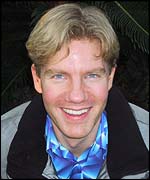
The Global Environment Outlook-3 (Geo-3), the work of more than 1,000 authors, says the human "footprint" is having an increasingly adverse impact, especially in poor countries. It suggests, for example, that almost a quarter of the world's mammals could be extinct within 30 years. But this is a picture of our immediate future that is repudiated by many scientists who have found a standard bearer in the form of Bjorn Lomborg, the head of the Institute for Environmental Evaluation in Aarhus in Denmark. Better equipped Dr Lomborg has angered the green lobby by daring to challenge certain "truths" about environmental decline. He has accused the greens of exaggerating problems and of ignoring the facts.
"What we need to realise is that the real pollution problem is the pollution of poverty; when people are poor they cannot take care of the environment 10 or a 100 years down the line." Dr Lomborg's point is not that Western societies should ignore environmental degradation but that issues should be put in their proper context. He highlights the species loss figures cited by Geo-3. He believes the actual data tell a quite different story. Wealth and worry "These are the UN's own data. We are not losing 25-50% of all species within a lifetime or two. We're probably losing about 0.7%. This is not to belittle the problem; it is about getting the right context. "I'm not saying that we should not worry about biodiversity loss, I'm just saying that we should get our priorities right. We should not care so much for butterflies that we forget to care about people with little food or low incomes." It is his belief that the money nations are considering spending averting climate change under the Kyoto Protocol would be better spent alleviating poverty in the developing world. "It's important to say that it is only when you get sufficiently rich that you can actually worry about environmental problems." | |
See also:  22 May 02 | Science/Nature 21 May 02 | Science/Nature 21 Aug 01 | UK 22 Aug 01 | UK 23 Aug 01 | UK Internet links: The BBC is not responsible for the content of external internet sites Top Science/Nature stories now: Links to more Science/Nature stories are at the foot of the page. | |||||||||||||||||||||||||||||||||||||||||||||||||||||||||||||||||||||||||||||||||||||||||||||||||||||||||||||||||||||||||||||||||||||||||||||||||||||||||||||||||||||||||||||||
| |
|  E-mail this story to a friend E-mail this story to a friend |
| |
| Links to more Science/Nature stories |
| | | ||
 | ||||
 | | Back to top
| ||
| ---------------------------------------------------------------------------------- To BBC Sport>> | To BBC Weather>> | To BBC World Service>> ---------------------------------------------------------------------------------- © MMIII | News Sources | Privacy |