|
 |
 | | | | | | ||||||||||||||||||||||||||||||||||||||||||||||||||||||||||||||||||||||||||||||||||||||||||||||||||||||||||||||||||||||||||||||||||||||||||||||||||||||||||||||||||||||||||||||||||||||||||||||||||||||||||||||||||||||||||||||||||||||||||||
| | | You are in: Asia-Pacific | ||||||||||||||||||||||||||||||||||||||||||||||||||||||||||||||||||||||||||||||||||||||||||||||||||||||||||||||||||||||||||||||||||||||||||||||||||||||||||||||||||||||||||||||||||||||||||||||||||||||||||||||||||||||||||||||||||||||||||||||
|
| | Tuesday, 14 January, 2003, 15:34 GMT Russia prepares North Korea mission  China and Russia want the US to join in talks Russia is to send an envoy to Pyongyang to push for a peaceful resolution to North Korea's nuclear stand-off with the United States. Pressure for a diplomatic solution is growing, with negotiators from North Korea's allies and opponents converging on the region.
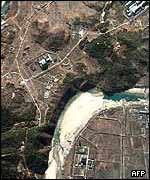
The US stopped fuel aid after it said Pyongyang admitted having a nuclear weapons programme. North Korea then started work on a mothballed nuclear reactor, saying it was needed to produce electricity. Russian President Vladimir Putin asked Deputy Foreign Minister Alexander Losyukov to go to Pyongyang - as well as Beijing and Washington.
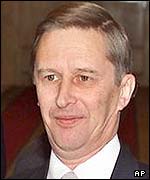
A BBC correspondent in Moscow says Russia believes it can play a key role, given its historic ties with North Korea. Defence Minister Sergei Ivanov said there was some optimism for a peaceful outcome to the row, which has seen North Korea expel United Nations nuclear inspectors and pull out of a nuclear weapons treaty. He said: "In the last few days, certain hopeful steps and statements have emerged which I would say look to return the situation to what it was before the current crisis." Mr Ivanov cautioned that Pyongyang should not be threatened. "The problem should be solved by political means without dictate and pressure on North Korea." Summit offer China - now hosting US Assistant Secretary of State James Kelly on the latest leg of his peace mission - says direct talks should come.
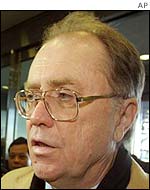
Correspondents say Beijing could be another leading player in a solution as - like Russia - it is a long-time ally of North Korea while also having diplomatic relations with the US. Foreign Ministry spokeswoman Zhang Qiyue said China could host a meeting. "If the relevant sides are willing to hold dialogue in Beijing, I think we would have no difficulties with that," she said. The US ended a stand-off in 1994 by agreeing to provide fuel shipments to the impoverished state in return for North Korea ending its nuclear weapons programme. Mr Kelly has said the US is willing to discuss resuming aid and other matters, but only after North Korea stops its nuclear work. Secretary of State Colin Powell told the Wall Street Journal newspaper that the US wants a new framework, not a return to the 1994 deal. Bush blamed One of the key negotiators of that deal - former US President Jimmy Carter - has blamed the Bush administration for plunging relations with North Korea to a new low. He wrote in Tuesday's Washington Post newspaper that there was an "eerie sense of deja vu in Korea".
But George W Bush's hard line against Pyongyang, which he labelled as part of an "axis of evil" with Iraq and Iran, led many North Koreans to fear they were on a US "hit list". Mr Carter said both sides should reaffirm the principles of the 1994 deal and said a forum - perhaps in China or Russia - could help to break the impasse. Australia - one of few Western nations with diplomatic relations with North Korea - has also sent a team of diplomats to Pyongyang. A UN envoy is also there to assess the humanitarian situation. Observers have suggested that North Korea has been hoping all along to force the US into signing a non-aggression pact and stumping up fresh aid by pushing the nuclear issue. | |
See also:  13 Jan 03 | Asia-Pacific 13 Jan 03 | Asia-Pacific 10 Jan 03 | Asia-Pacific 10 Jan 03 | Asia-Pacific 10 Jan 03 | Asia-Pacific 10 Jan 03 | Asia-Pacific 10 Jan 03 | Asia-Pacific 13 Jan 03 | Asia-Pacific Internet links: The BBC is not responsible for the content of external internet sites Top Asia-Pacific stories now: Links to more Asia-Pacific stories are at the foot of the page. | ||||||||||||||||||||||||||||||||||||||||||||||||||||||||||||||||||||||||||||||||||||||||||||||||||||||||||||||||||||||||||||||||||||||||||||||||||||||||||||||||||||||||||||||||||||||||||||||||||||||||||||||||||||||||||||||||||||||||||||
 | |
|  E-mail this story to a friend E-mail this story to a friend |
| |
| Links to more Asia-Pacific stories |
| | | ||
 | ||||
 | | Back to top
| ||
| ---------------------------------------------------------------------------------- To BBC Sport>> | To BBC Weather>> | To BBC World Service>> ---------------------------------------------------------------------------------- © MMIII | News Sources | Privacy |





 The problem should be solved by political means without dictate and pressure on North Korea