|
 |
 | | | | | | |||||||||||||||||||||||||||||||||||||||||||||||||||||||||||||||||||||||||||||||||||||||||||||||||||||||||||||||||||||||||||||||||||||||||||||||||||||||||||||||||||||||||||||||||||||
| | | You are in: Africa | |||||||||||||||||||||||||||||||||||||||||||||||||||||||||||||||||||||||||||||||||||||||||||||||||||||||||||||||||||||||||||||||||||||||||||||||||||||||||||||||||||||||||||||||||||||||
|
| | Wednesday, 21 August, 2002, 13:10 GMT 14:10 UK Unita cleans up its act 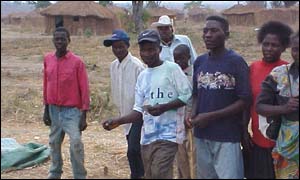 Former Unita soldiers at demobilisation camp
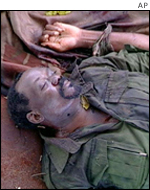
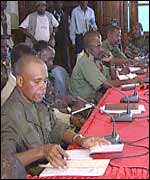
Unita leaders met on Tuesday in Luanda to discuss the future of the movement and to confirm Secretary General Paulo Lukamba Gato as its interim leader. That they could meet in the Angolan capital is an indication of how far Unita has moved away from its guerrilla background in the last few months. The rebels have been effectively leaderless since Unita's founder and sole leader, Jonas Savimbi, was killed by the Angolan army in February.
The vacuum has been filled by a temporary management commission led by General Gato. This commission negotiated the April ceasefire with the Angolan Government, which ended decades of civil war. Under General Gato, it also worked with the government to demobilise about 80,000 Unita fighters and integrate 5,000 of them into the Angolan armed forces. But Unita and the new political commission now have the huge task of turning a rebel, guerrilla movement into a political party. They also have to unite three different sections of a party whose once legendary unity was fractured during the last 10 years of alternating war and unstable ceasefires. Back to the bush no more Unita has been fighting a guerrilla war in Angola more or less unceasingly since its formation in 1966 as a movement seeking independence from Portuguese rule.
Peace deals in 1991 and 1994 led to short breaks in the fighting but not to lasting peace. Jonas Savimbi lost the 1992 election which followed the first peace agreement but refused to accept the result and took his movement back to the bush to fight for power. But Unita no longer has that option. Dr Savimbi's death six months ago came as the movement was crumbling under pressure from Angolan Government forces. Its army has now been demobilised and its leaders are in Luanda trying finally to make Unita into a civilian political party. To do this it needs to gather its leading members from across Angola, retain the loyalty of the demobilised soldiers and knit together the disparate wings of a movement that started to come apart at the seams during the last decade. One, two or three Unitas? Under Jonas Savimbi, Unita was run as the personal movement of a powerful, charismatic and feared man. For a long time, Unita appeared monolithically united with no opposition to its leader.
But gradually a pictured emerged of a movement governed by force and fear. Splits in the party came into the open after the failed 1992 election and the abortive 1994 Lusaka peace deal. Unita members who were trapped in Luanda in 1992 and survived a government purge of rebel supporters, took up their seats in the Angolan parliament but operated without the backing of Jonas Savimbi. They came to be viewed by the rebel leader with immense suspicion and they distanced themselves from him. The most prominent among this group is former Unita foreign affairs head Abel Chivukuvuku. The split was more extreme between Dr Savimbi and the movement's former Secretary General, Eugenio Manuvakola, who signed the 1994 peace deal on behalf of Unita. He was cast out by Dr Savimbi and ended up in Luanda where, with the support of the government, he set up the Unita-Renovada party as an alternative to Dr Savimbi's movement. The government cooperated with the new group and used it to try to undermine the wider rebel movement. Obstacles to unity General Gato now needs to bring these wings of the party back together if he hopes to create a viable party. But it will not be easy. Former Secretary General Manuvakola was invited to attend the meeting on Tuesday which formed the new political commission but declined to go along. So that split remains, though some members of the Renovada group have thrown their lot in with Gato.
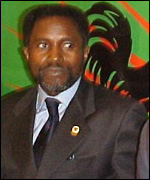
Paulo Lukamba Gato will lead the movement through the new political commission and is currently the leading candidate to be elected leader when Unita is able to organise a congress of its members. Other possible candidates are Abel Chivukuvuku, who has mended his fences with many of the Unita leaders who stayed in the bush until the bitter end, and Savimbi-loyalist Isias Samakuva, currently in Paris and awaiting a passport and the chance to return safely to Angola. But Unita has a long way to go to shed the violent, rebel image of 36 years in the bush. | |
See also:  02 Aug 02 | Africa 22 Jul 02 | Africa 15 Jul 02 | Africa 19 Jul 02 | Africa 21 Jun 02 | Africa 23 May 02 | Africa Internet links: The BBC is not responsible for the content of external internet sites Top Africa stories now: Links to more Africa stories are at the foot of the page. | |||||||||||||||||||||||||||||||||||||||||||||||||||||||||||||||||||||||||||||||||||||||||||||||||||||||||||||||||||||||||||||||||||||||||||||||||||||||||||||||||||||||||||||||||||||
| |
|  E-mail this story to a friend E-mail this story to a friend |
| |
| Links to more Africa stories |
| | | ||
 | ||||
 | | Back to top
| ||
| ---------------------------------------------------------------------------------- To BBC Sport>> | To BBC Weather>> | To BBC World Service>> ---------------------------------------------------------------------------------- © MMIII | News Sources | Privacy |