|
 |
 | | | | | | |||||||||||||||||||||||||||||||||||||||||||||||||||||||||||||||||||||||||||||||||||||||||||||||||||||||||||||||||||||||||||||||||||||||||||||||||||||||||||||||||||||||||||||||||||||||||||||||||||||||||||
| | | You are in: Europe | |||||||||||||||||||||||||||||||||||||||||||||||||||||||||||||||||||||||||||||||||||||||||||||||||||||||||||||||||||||||||||||||||||||||||||||||||||||||||||||||||||||||||||||||||||||||||||||||||||||||||||||
|
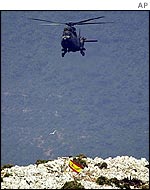
| | Saturday, 20 July, 2002, 18:56 GMT 19:56 UK Deal reached over disputed island Both sides were under pressure to resolve the dispute The United States says Spain and Morocco have struck a deal over the disputed Mediterranean island of Perejil. US Secretary of State Colin Powell said the two sides had reached an "understanding" following US mediation.
The row erupted earlier this month after Morocco deployed security officials on Perejil, which is under Spanish sovereignty. Click here for a map of the area Correspondents say that under the accord, the two sides would agree to have no flags or signs of sovereignty on the island, or permanent encampments. In the first sign of the agreement going into effect, reports from Perejil say that Spanish troops, which evicted the Moroccan gendarmes, have begun to withdraw. The Spanish news agency Efe said Spanish Foreign Minister Ana Palacio would meet her Moroccan counterpart, Mohamed Benaissa, in the Moroccan capital, Rabat, on Monday. Territorial dispute The dispute over the 13.5 hectare (33-acre) island, which Morocco calls Leila, began on 11 July, when Morocco sent half a dozen troops to the normally uninhabited rocky outcrop, 200 metres (650 feet) off the Moroccan coast.
Six days later, Spain ousted the Moroccan forces and deployed several dozen troops in their place, a move condemned by Morocco as a "declaration of war". Observers say Morocco's occupation of Perejil was aimed at raising the thorny issue of other disputed Spanish enclaves, Ceuta and Melilla, along the North African coast. Speaking to reporters on Friday, the Moroccan foreign minister said: "Let's be realistic. Sooner or later, we must confront this subject." But the Spanish foreign minister said Spain would not share sovereignty of Perejil and the status of Ceuta and Melilla was not up for discussion. US role The United States intervened after other international powers stepped into the dispute, with Nato and the European Union supporting Spain and Arab nations backing Morocco.
While Spain and Morocco refused to talk directly, Mr Powell spoke to both sides by telephone. Spanish Prime Minister Jose Maria Aznar had proposed that Spain would withdraw its troops from Perejil if Morocco agreed not to re-occupy the island. But Mr Benaissa said Morocco would not begin talks unless Spain withdrew unconditionally. As negotiations continued, Spanish soldiers detained a 27-year-old Moroccan man who reached the island carrying two Moroccan flags, AFP reported. The dispute is the latest in a series of rows which have soured relations between the two Mediterranean neighbours. 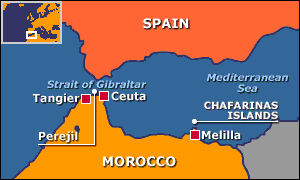 | |
See also:  19 Jul 02 | Europe 18 Jul 02 | Europe 18 Jul 02 | Europe Internet links: The BBC is not responsible for the content of external internet sites Top Europe stories now: Links to more Europe stories are at the foot of the page. | |||||||||||||||||||||||||||||||||||||||||||||||||||||||||||||||||||||||||||||||||||||||||||||||||||||||||||||||||||||||||||||||||||||||||||||||||||||||||||||||||||||||||||||||||||||||||||||||||||||||||||
| |
|  E-mail this story to a friend E-mail this story to a friend |
| |
| Links to more Europe stories |
| | | ||
 | ||||
 | | Back to top
| ||
| ---------------------------------------------------------------------------------- To BBC Sport>> | To BBC Weather>> | To BBC World Service>> ---------------------------------------------------------------------------------- © MMIII | News Sources | Privacy |