Already experiencing hay fever? Experts predict a severe season for allergy sufferers

- Published
The tree pollen season is underway and experts say it is going to be more severe than usual.
An estimated 13 million people in the UK suffer from hay fever - the allergy to pollen.
Only a minority are triggered by trees but itchy eyes, sore throats and runny noses are already affecting those who do suffer.
Alder pollen is at its peak with hazel trees also causing symptoms.
Scientists at the University of Worcester are predicting that high levels will continue for several weeks.
When does hay fever season start?
There are actually three different hay fever seasons relating to three broad types of pollen.
The first - tree pollen - generally runs from March to May or June. However some species such as alder, hazel and elm produce pollen earlier meaning it can start as soon as January.

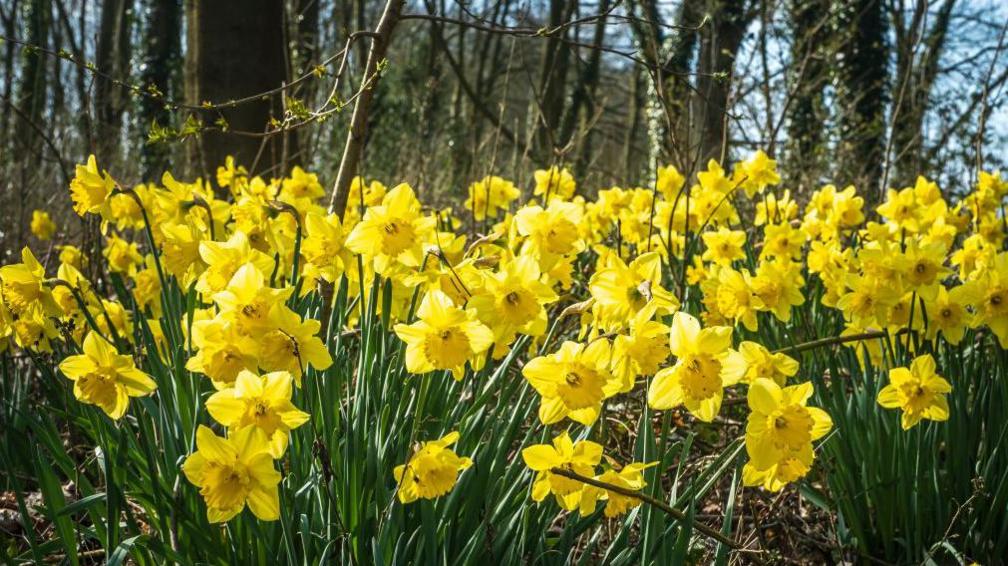
Hazel trees are one of the culprits for the current high pollen levels
The Met Office suggests that around 25% of hay fever sufferers are affected by tree pollen.
Grass pollen, on the other hand, has more widespread impacts affecting nearly all sufferers during its season which runs from around May to July.
The third major trigger is weed pollen with a season that peaks between June and September.
The exact dates will vary depending on where you live while some areas with less vegetation - such as major towns and cities - are likely to have less pollen than rural locations.
Severe season forecast for tree pollen
According to scientists at the University of Worcester this tree pollen season is expected to be more severe than average due to a combination of factors.
Dr Beverley Adams-Groom, senior palynologist and pollen forecaster, said: "Trees that produce allergenic pollen in the UK tend to have alternating high and low years of severity – this year is a high year."
High temperatures during last spring and early summer meant there was the right weather for pollen production, with a warm May being a major factor.
Dr Adams-Groom added: "Mild, dry weather with breezes provides the best conditions for pollen release and that is what is forecast for the next week or so."
How does weather affect allergies?
Day-to-day variations in weather can make a big difference to how much pollen is produced and how effectively it spreads.
Rain can suppress pollen whereas warmth and sunshine tend to boost it - although on the very hottest days in summer levels can actually decrease.

Dry, mild, breezy days can bring the highest pollen counts
The strength of the wind also plays a part.
On the very calmest days pollen will barely lift off the ground and will struggle to disperse. Conversely, on the windiest days, pollen can be blown across a wide area meaning lower concentrations in any particular place.
You can always check the latest forecast for your area with BBC Weather online and on the app.
Climate change and hay fever
The impact of climate change on pollen is likely to be mixed with considerable variations between species and in different parts of the UK.
For instance, research by the University of Worcester found that the birch tree pollen season is getting more severe, while grass pollen continues to fluctuate around the long-term average.
Oak and grass pollen seasons are starting earlier which they say is in line with research from other European countries.
Higher spring and summer temperatures were found to be driving these trends - as well as with changes in land use such as urbanisation and increasing amounts of woodland.
- Published1 March 2025
- Published26 December 2024