Separation anxiety at drop-off can feel heartbreaking and exhausting. But it’s also a completely normal part of development, and there are many ways you can help your child through it.
Here's some tips from Dr Martha Deiros Collado, a clinical psychologist who specialises in working with families, has for managing these stressful moments.
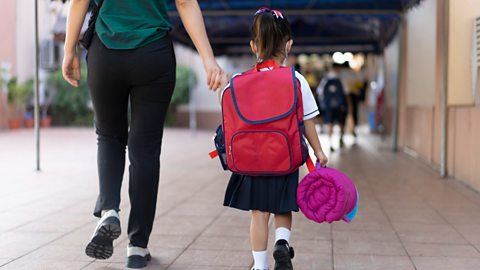
Why school drop-offs feel hard
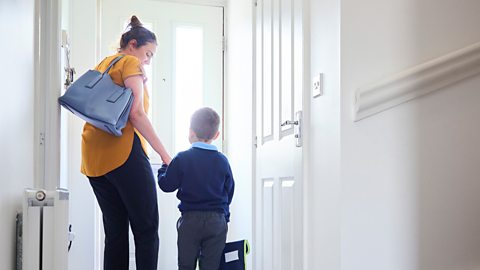
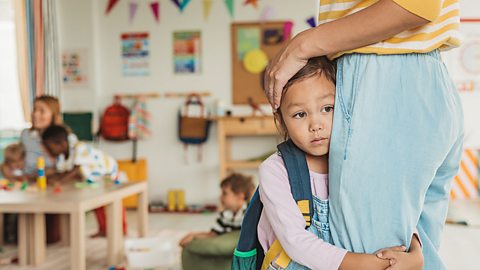
Separation anxiety often shows up as tears, tummy aches, refusing to get dressed, or clinging to you at the school gates.
Some children find leaving their parents harder to handle than others.
Children who are more cautious, sensitive, or have had lots of time at home may struggle more at the start.
This is why separation anxiety kicks in after a school holiday, be it the long summer break or half-terms. It doesn’t mean something is “wrong” with your child.
It just means your child needs extra time to adjust to being without you while building positive relationships with the adults in the classroom.
Signs your child might be struggling emotionally

It’s normal for children to be tearful or cling to you at drop-offs in the early weeks.
Most children calm down within a few minutes of you leaving and get absorbed in the classroom hubbub and activity.
I often hear teachers say 'they were smiling two minutes after you left.'
That doesn’t mean your child’s tears are your fault, it means you can be confident that your child isn’t distressed in the classroom and their tears are a sign of how much they miss being with you.
Paradoxically, this is a really positive thing! Children who like being with their parents are usually well-adjusted, grounded kids.
And if your child walks into school with confidence, that shows their independence is a little more developed and you don’t need to worry about this.
Some signs that your child may need extra support
Tummy aches or headaches that appear before and after school during week days but not weekends.
Extreme distress that doesn’t ease once they’re in class (i.e. your child comes out of school crying).
Withdrawal after school, refusing to talk, or appearing very subdued.
Anxiety spilling into other areas of life such as struggles falling asleep, not wanting to do activities outside your home, or regular nightmares.
If you notice these signs continuing for more than 6-8 weeks, it’s worth reaching out to your child’s teacher, GP, or health visitor for extra support.

How to prepare your child before school
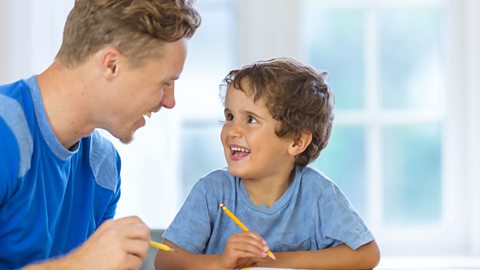
Preparation helps children feel safe because they know what to expect. It's important to talk about school in simple and positive ways.
- Try not to project your emotions onto the conversation: this gives your child space to share their experience. Focus on real activities, objects, and experiences they will have.
Rather than say:“You are going to have such fun at school! Your teacher is lovely”.
Try:“At school you are going to learn lots of things like numbers, and letters and they have a really big sandpit you can play in too! After you have your lunch and playtime, I will be there to pick you up. I cannot wait to hear what you have been up to”.
- Use stories: Picture books and CBeebies shows like Dodge’s Pup School, Bing, and Bluey (the “First Day” episode) can help your child picture the school day. This makes it easier to talk about what they enjoy, worry about, or want to try.
Watching together also builds emotional vocabulary and strengthens your bond, showing your child they can talk to you about school and you’ll support them.
- Use a Love Button: Children find it hard to grasp the idea of love when you’re apart. Try drawing a small heart on their wrist and one on yours too (and every member of your family if you like).
Explain that this heart keeps you together, even when you are apart. Whenever they miss you, they can look at it and remember you feel the same.
How to ease the drop-offs
When emotions are running high before school (in your child, and for your too) it’s worth having a few ideas to move through this with confidence:
Create a “goodbye ritual”: For example, a special hug, a high-five, or a small exchange. Doing this as a goodbye ritual helps to build predictability and safety.
Keep goodbyes short and sweet: Lingering or showing your own distress can make it harder for your child to separate.
That doesn’t mean that you are the problem if you feel tearful too.
It means you need to accept your own feelings, carve out a little bit of time to regulate, and then support your child through their big emotions.
A quick, confident goodbye communicates trust in the teachers and will help your child feel safe too.
How to support your child emotionally after school

It’s normal for children to experience ‘restraint collapse’ after school, an emotional expression of how tired they are. It takes a lot of brain power to concentrate, learn, socialise, play, and cope with the many sensory stimulations of the classroom.
Here are some ideas for a nurturing, restful after school plan:
Greet with a big cuddle and warm words such as: “This is the best part of my day”, “I am so excited to see you!”
Create a simple after-school routine (special greeting or game) a unique greeting or little game helps your child shift from ‘school mode’ to ‘family time.’
Offer food and drink to ease tiredness and boost energy.
Follow your child’s lead - some need to run, others might need quiet time to rest or to relax with some reading.
On days of big emotions, don’t take it personally — home is their safe haven. Remind yourself they need acceptance and love, no matter what.
Set boundaries when needed. For example: “I know you are tired from school but I won’t let you speak to me like that. I am here with a cuddle when you are ready to speak nicely.”
When separation anxiety becomes school refusal
Most children adapt to school life within a few weeks. But if your child’s anxiety lasts for months, or starts affecting their sleep, appetite, or enjoyment in activities, do seek help.
Start by talking with your child’s teacher, who sees drop-offs daily and can share how your child settles once you leave.
You can also reach out to your GP for guidance.
In some cases, a referral to a child psychologist may provide an assessment that helps you and the school understand the environmental adaptations needed to support your child in feeling settled in the classroom.
Try and remember that every goodbye is practicing a skill towards independence and learning that your bond and connection doesn’t diminish when you’re apart.