When you send your little one off to school, they take an important step towards their own independence – and this includes making decisions around food!
Whether it’s checking out the menu at lunchtime, picking out a packed lunch or selecting a snack in the classroom, we all hope that our children will make healthy choices - at least some of the time…
Watch the Hey Duggee film below with your child to help think about food at school. We also have some tips for how you can get things started at home, from specialist children’s dietitian Angharad Banner.
Levi, isn't it time for… Duggee! Duggee! Hey, Duggee! Hey, Duggee!
Duggee and the Eating Badge.
Hello, squirrels. I wonder what Duggee has planned for us today.
A-woof!
Starting primary school, that's a big thing for a small person. It's exciting but there are so many new things to learn. At school there are lots of grown-ups who will help us and tell us what to do.
But sometimes we need to do things for ourselves and by ourselves. Like eating lunch. And at school you'll also learn what's good for you. Like these squirrels. They're choosing what to put on their crackers. Looks like jam mostly. but is that the healthy choice? Can you help, Duggee?
Of course you can, because you've got your eating badge.
A-woof, woof, woof!
Yes, Duggee, fruit and veg are very good for you. In this classroom, there's a healthy snack bowl in case anyone feels hungry. What's he going to pick? A sugar snack. Mm, yum. Good for building up a healthy body. You can practice eating by yourself at home. These squirrels are helping each other, as well as helping themselves. Looks yummy! Didn't the squirrels do well today, Duggee?
A-woof!
Well done, squirrels! You've earned your eating badge, just like Duggee. Keep practicing so that when you get to school, you'll be able to take care of yourself. Well, that was fun, wasn't it, Duggee?
A-woof, woof, woof!
Thanks for the reminder. Yes, you can watch more videos on the CBeebies's Learn app to help get you ready for school. Bye bye everybody!
‘Eat your vegetables’, ‘don’t forget your five a day’, ‘too much sugar’ – these are often the slogans of healthy eating we’re introduced to as children, but are they helpful?
For dietitian Angharad, the idea is simple…
“Focus on variety, not perfection.”
So, how can we communicate this to our kids as they start school?
How can I talk to my child about making healthy choices?
Angharad says, “Keep it simple and positive.”
“Children learn best when things feel fun. Instead of saying, ‘this food is good’ or ‘that food is bad,’ talk about what different foods do for our bodies.”
“Why is variety important? Because no single food has everything we need.”
But, way before they learn about protein, calcium and carbs, you might want to explain food groups in a way that is relatable to a four- or five-year-old. Here are some suggestions from Angharad…
Energy foods: bread, rice, pasta, potatoes – these give us fuel to run, play and think
Growth foods: meat, fish, eggs, beans – these help us build muscles and repair our bodies
Dairy foods: milk, yogurt, cheese – these keep our bones and teeth strong
Protection foods: fruit and vegetables – these help us fight off germs and stay well
Fun foods: sweets, crisps, chocolate - these are okay too, just not all the time
While this isn’t the whole picture, it’s a good starting point to encourage your child to eat a variety of foods during a busy day at school.
What if my child doesn’t like certain foods?
Another way to encourage children to eat well is by trying new things together – inevitably there will be some foods they won’t eat.
When this happens, don’t be disheartened and maintain an open attitude to new flavours and textures at home.
“It’s okay to take your time,” Angharad says. “Children don’t need to love every food. They can learn to explore, taste, and decide.”
She explains that, if there is a particular problem food, you might still prepare it for the rest of the family at mealtimes, but allow your child to look at it, or even touch it as a starting point.
Becoming ‘food explorers’ together will help your child feel more enthusiastic about new food options as they start having school dinners or packed lunches.
For some children, especially those with sensory sensitivities or ARFID (avoidant/restrictive food intake disorder), exploring food might look different.
They may need more time, predictability, and reassurance. "That’s okay," Angharad says. "Progress isn’t measured by bites - it’s about feeling safe, curious, and in control."
You can support your child by respecting their boundaries, offering choices without pressure, and celebrating small steps - like tolerating a new food nearby or helping to prepare it.
“Every child deserves to feel safe around food,” Angharad says.
“We’re not aiming for perfect eaters - we’re building trust, one experience at a time.”
What else can I do to support my child at home?
Angharad suggests some simple ways to build your child’s confidence and skills around food at home…
Spreading butter on crackers
Peeling a banana
Pouring cereal
Choosing a fruit at the shop
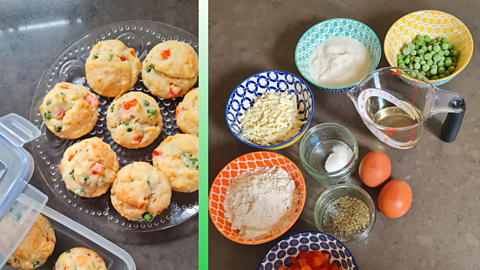
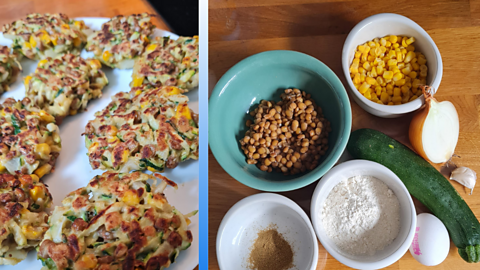
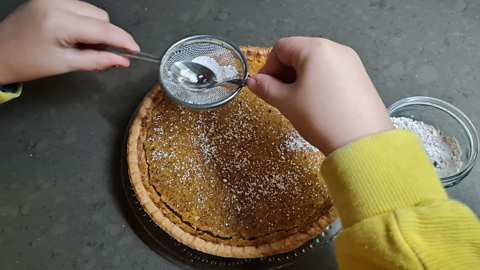
You could also try one of the recipes on the CBeebies Parenting website – each one includes elements where young children can get involved, from mashing to mixing!

Recipes to help your child get excited about food
Does your child love Hey Duggee? interactive
Play games and earn your Hey Duggee badges on the CBeebies website.