As your due date gets closer, as well as thinking about baby showers and decorating nurseries, you’re probably also thinking about preparations for the day baby arrives.
You might be wondering what to pack for yourself, your baby, and your birthing partner, what essentials are needed for delivery and recovery, and even what snacks to bring along.
To answer all of these questions and more, Tiny Happy People spoke with Ruby Handley-Stone, Professional Advisor to the Royal College of Midwives.

When to pack your hospital bag
How many weeks before delivery should you pack?
Aim to pack your hospital bag 2-3 weeks before your due date, “but it wouldn’t hurt to have it done earlier”, says Ruby.
Why planning ahead is important
While most pregnancies last at least 37 weeks, about 1 in 13 babies in the UK are born early. Being prepared in advance means that if you come in and need to stay for closer monitoring, “advising a support person of a bag to collect for you is easier than asking them to pack it for you!” says Ruby.
If you plan to travel during your third trimester, Ruby says “it may be comforting to have your maternity belongings with you should you go into labour earlier than expected.” If your local hospital is close, you might not need to pack much, “if your partner or relative can return to collect things for you quickly,” says Ruby.
Essential items to pack in your hospital bag for labour and delivery
Hospitals provide limited supplies, so bringing your own comforts can help to improve your experience. Ruby’s two must-haves are:
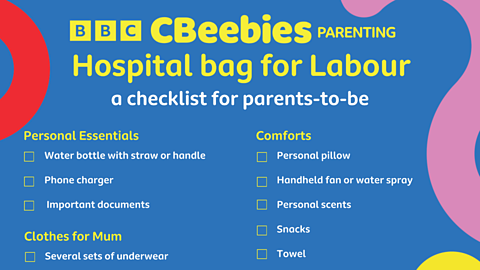
1. Water bottle with a straw or handle: Easier to drink from during labour.
2. Lip balm: Keeping your lips hydrated can be comforting.
Don't forget your phone charger; to keep family updated and especially if you want to capture moments or play music.
Comfortable clothing to include
For clothing, Ruby suggests you bring:
Several sets of underwear: Essential for after birth.
Slippers or slide-on shoes: Comfortable footwear for moving around the hospital.
A bin liner: For organising dirty clothes.
Toiletries and comfort items to include
Ruby suggests packing these toiletries to stay fresh:
Shower gel or soap: Opt for fragrance-free options so the baby gets used to your smell.
Toothbrush and toothpaste.
Deodorant, dry shampoo and body wipes: If you don’t feel like having a full shower.
Hairbrush and ties: Keep your hair manageable during labour.
To enhance your comfort, Ruby says you should consider packing:
A personal pillow: If you usually sleep with more than one, this can help.
A handheld fan or water spray: Helps keep you cool during labour.
Personal scents or mood lighting: For a calming environment.
Important documents to include
You may need to bring important documents with you.
Many hospitals now allow electronic records, explains Ruby, “Most Trusts and health boards have moved to electronic documentation, so you may have your records on your phone or via app”.
But if not, pack your handheld maternity records, especially if you’ve received care outside your usual area. Include any birth preferences you’ve documented.
What snacks should you pack in your bag?
“High energy snacks that are quick to eat are the best,” says Ruby. Perhaps:
- Fruits: Grapes or dried fruits like dates.
- Cereal bars or biscuits: Easy and nutritious.
- Glucose tablets, isotonic drinks or boiled sweets: If you are unable to eat during labour.
You should think about whether the food you are bringing needs to be kept refrigerated, says Ruby, “Be aware, some hospital areas may allow you to use the fridges, but usually they are reserved for infant milk or special dietary requirements, so may not allow you to use it.”
“One more tip - you may find chewing gum useful to keep your mouth fresh when you don’t feel able to brush your teeth!” says Ruby.
What should you pack in your bag for after delivery?
For your postpartum care, Ruby says, “Although most birth settings will provide you with some, you may wish to pack your own super-absorbent sanitary towels as you will need quite a few of these in the initial post-partum period. A pack of 12 – 24 is advisable as you will continue to use them at home if you are left with spare.”
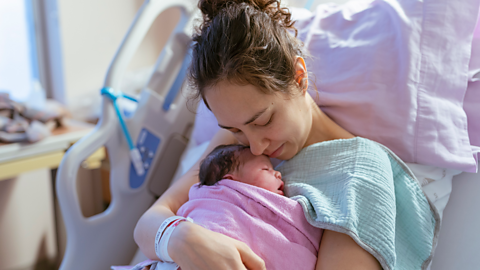
What clothing should you pack in your hospital bag for after delivery?
After delivery, Ruby says that comfortable clothing is essential:
Loose pyjamas or nighties: Opt for those with buttons for breastfeeding ease.
A dressing gown: Useful for warmth while moving around.
Nursing bras: Ensure comfort in the early weeks, especially if you intend to breastfeed.
If you know you are having a caesarean, Ruby says, “Following a caesarean birth, overly loose trousers with a high waist and non-elasticated underwear to reduce any pressure on the wound area around your abdomen are key.”
“Lastly, don’t forget to ask your partner to bring you a jacket or raincoat ready for you to leave the hospital once discharged – people often forget the weather outside!,” says Ruby.
How many nappies should I pack for my baby?
Ruby advises that you pack a whole pack of nappies or reusable liners, “Your baby’s nappy may need changing up to 10 times a day in the first few days, as often as after every feed.” You will also need baby wipes or cotton wool pads and a small bowl for water.
Should you pack clothes for your baby?
“The first outfit should include a vest, sleepsuit and a hat, whilst it’s also useful to pack a thin blanket for inside the hospital cot,” says Ruby. “It’s useful to pack 2-3 more outfits – newborns can be messy!”
She says you might also want to pack:
Mitts: newborns can be born with quite long fingernails after 9 months of growth!
'Going home outfit': A warmer outside sleepsuit for the journey home, depending on the season.
Breastfeeding essentials
For breastfeeding, Ruby says to pack:
Muslin cloths: Protect your clothes during feeding.
Nipple cream: For soreness.
Breast pads: for any leaking as your milk supply increases.
: If you have started to hand express colostrum based on advice from your midwife, bring it in an insulated cool bag.
If your preference is to bottle feed, Ruby says, “You will need to bring a ‘starter pack’ of first infant milk which contains around six bottles and teats. These are disposable, sterile, single-use bottles and provide the safest option when formula feeding your baby whilst in hospital.”
“Try to only use single-use bottles until you go home and can sterilise your own equipment, to reduce waste.”
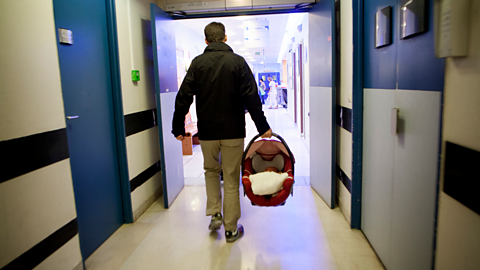
What should you pack for your child's trip home?
“Ensure you’ve got a car seat, and you are confident with how to fit it into your car before you leave the hospital,” says Ruby, “I-Size is the European safety standard, which most retailers will be able to advise you on.”
Packing a hospital bag for your partner
Your birthing partner should also be prepared. Ruby suggests:
Snacks and drinks: To maintain energy levels so they can support you.
Entertainment: A tablet or device for downtime, with headphones.
Comfortable clothing: A change of clothes and basic toiletries, especially if they’re staying overnight.
Swimwear: If you are planning a waterbirth.
Final Considerations
The final things Ruby says to consider:
Medication: Bring any daily medications, especially if you have specific health conditions.
Towels: Most maternity units provide towels for babies, but pack a large towel for yourself.
Breast pads: 2-3 sets of pads should be enough for the first few days.
Bag size: An overnight bag or small carry-on suitcase works well, consider using packing cubes for organisation.
By packing your hospital bag with these essentials, you'll feel more prepared and comfortable for the exciting journey ahead.
Printable checklist