Activities for 4-5 year olds
Where to start - advice for 4-5 year olds
Tools for Talking: Exploring word sounds
Help grow your child's understanding of phonics by playing with rhyming and sounding out different words.
- Attribution
Not sure what activity to try?
Answer a few questions and we'll pick out an activity for you to try with your little one.
- Attribution
What is phonological awareness?
Early Years practitioner Jamel shares his top tips for developing your child's phonological awareness.
- Attribution
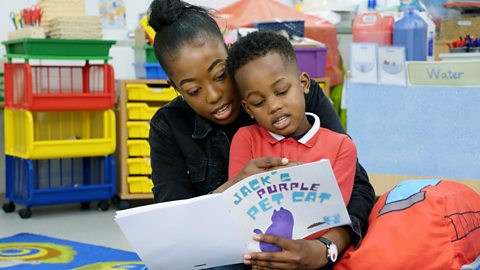
How can rhyming words help children learn?
Dr Saloni Krishnan helps a parent explore how rhyming helps children to build their vocabulary and understanding of word sounds.
- Attribution


Phonological awareness activities
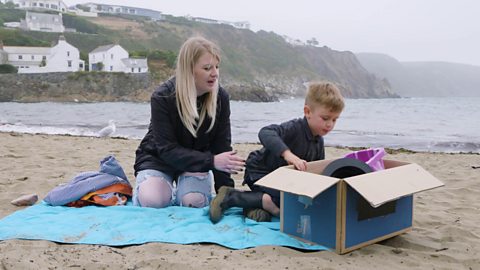
Sound sorting box
This activity will help your child recognise and practise the different starting sounds of words.
- Attribution
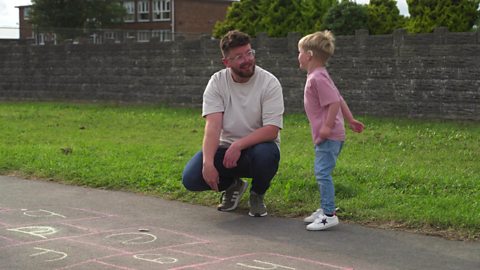
Playing hopscotch
Hopscotch helps children to manage body rhythm, master body control and boost their language and numeracy skills.
- Attribution
Go on a sound treasure hunt
Challenge your child's phonic awareness with this fun activity.
- Attribution
Spot the odd one out
Odd one out games help your child develop vocabulary, letter sounds and rhyming skills.
- Attribution
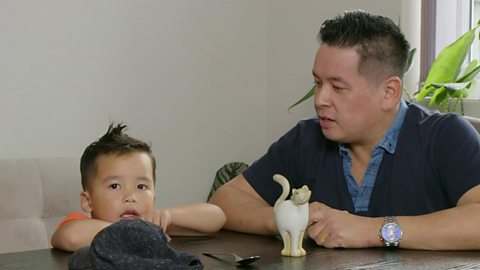
Play this fun rhyming game anywhere
This fun activity will help you introduce rhyming words into your everyday routine with your child.
- Attribution
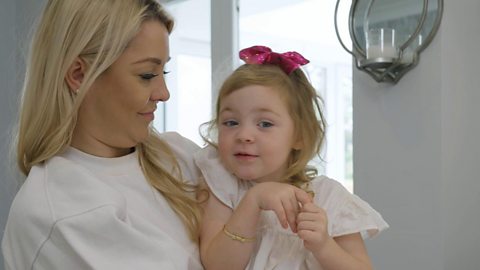
Playing I spy
Playing a game of 'I spy' is a fun way to explore word sounds with your child.
- Attribution
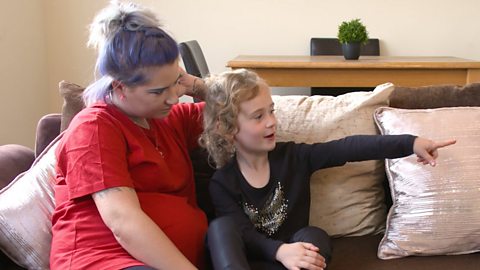


Games to help emotional development
Helping your child look after a pet
Spending time looking after an animal comes with many advantages for your child's language and wellbeing.
- Attribution
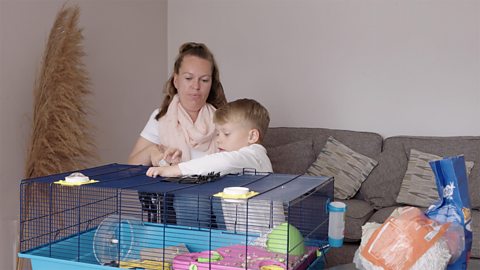
Playing the emotion face game
This fun game will help your child effectively manage their feelings and emotions.
- Attribution
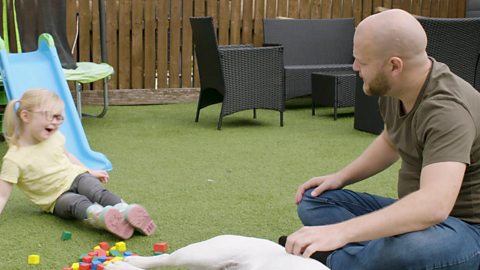
Sharing with toys
Help your child learn to share and co-operate with this easy pretend play activity.
- Attribution
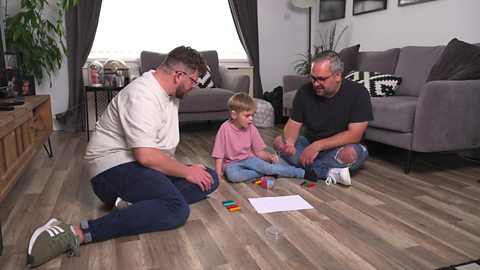
Making a feelings tree
This simple activity helps your child talk about the different emotions they may be feeling and why.
- Attribution
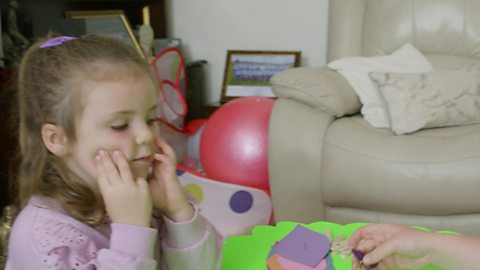
Enjoying photo albums together
Ideas to make the most of sharing photos and stories about family with little ones.
- Attribution
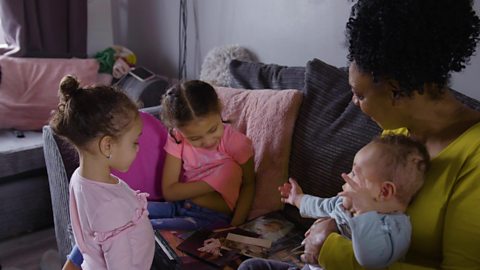


All day chat
Packing a bag together
This fun activity can help with School Readiness and teaches kids how to get ready by themselves.
- Attribution
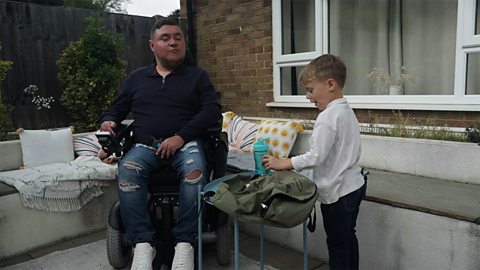
Taking a trip to the toilet
We have some great tips to help you help your child go to the toilet with confidence.
- Attribution
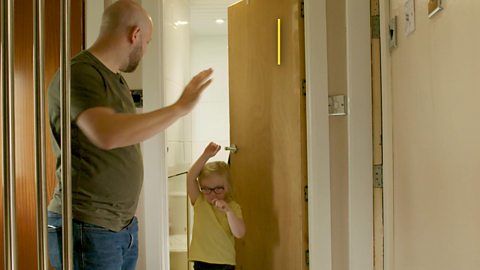
Getting out in nature with your kids
It's important for children to connect with nature, so go and explore with this fun activity.
- Attribution
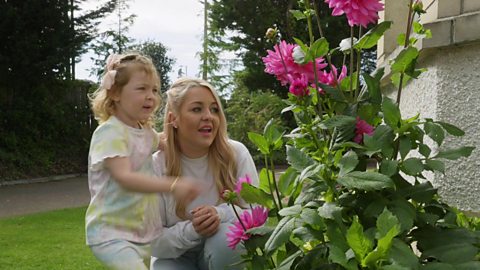
Can we make tidying fun?
Make tidying fun by chatting as you build a den.
- Attribution
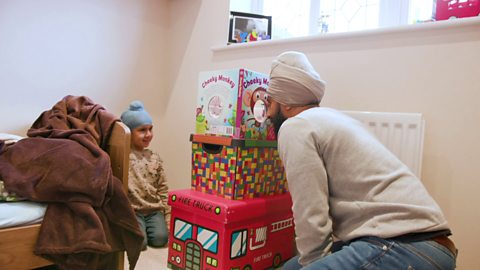
What can we play on the way?
Encourage your child to use their imagination and make up games.
- Attribution
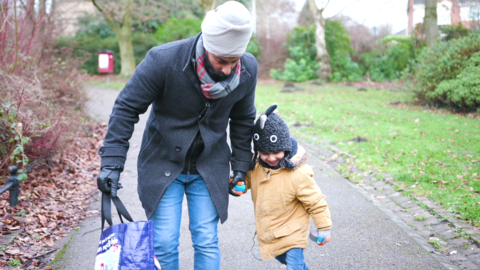
What's in my shopping bag?
Chat while you unpack your shopping and help build your child's conversation skills.
- Attribution
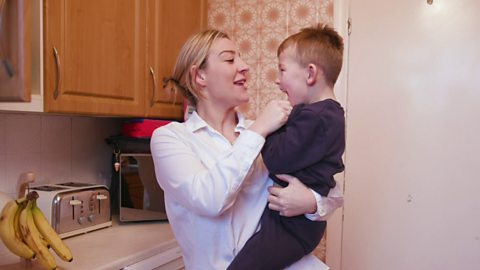


Getting crafty
Painting with water
Help your child develop their motor skills by drawing on the ground using brushes and water!
- Attribution
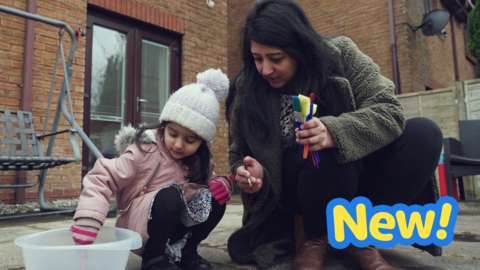
Crafty play with your grandchildren
Looking for a fun crafty activity for you and your grandkids? Painting is a great place to start exploring their creativity.
- Attribution
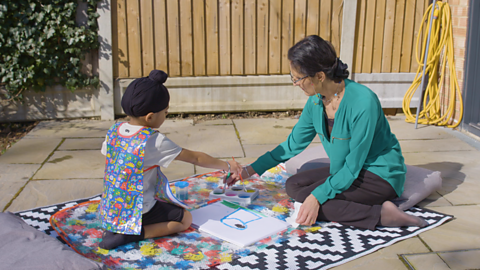
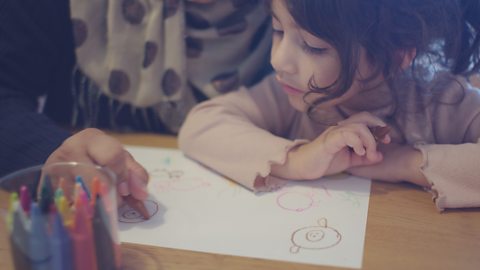
Drawing fun
How drawing and talking about their artwork is great for your child's conversation skills.
- Attribution
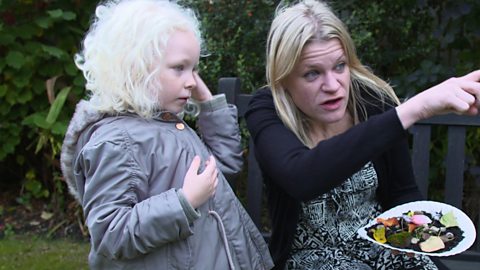
Make a mini garden
Try making a mini garden (on a plate!) using items you can collect from your garden or local park.
- Attribution
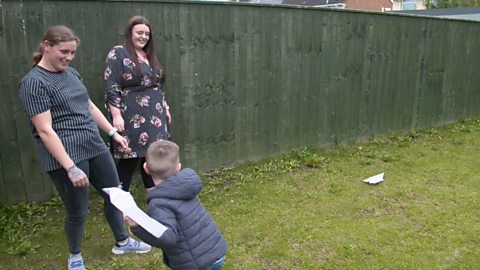
Paper planes
Making and flying paper planes together is a fun way to boost your child's conversation skills.
- Attribution
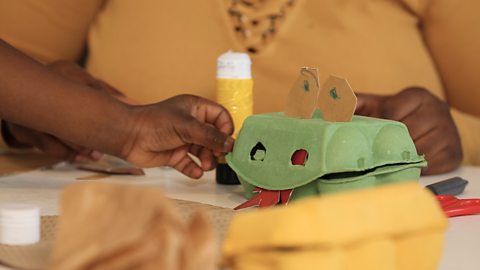
Making toys
Making toys out of household objects is a fantastic way to boost your child's imagination.
- Attribution
Making a puzzle
Making a puzzle together is a creative way to help develop your child's coordination skills
- Attribution


Playtime games
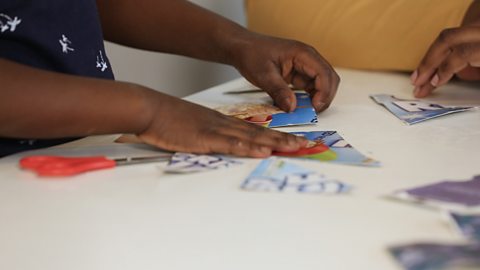
Playing the Plural Game
This fun and simple game is a great way to help explain tricky plurals like mice, sheep and feet to your child.
- Attribution
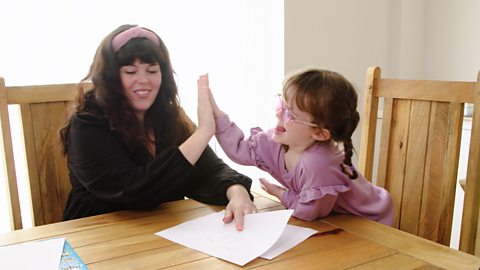
Having fun with sock puppets
Making and playing with sock puppets is a great way to encourage pretend play.
- Attribution
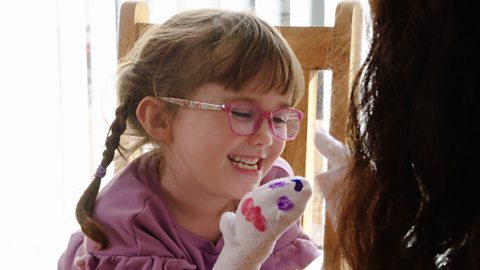
Playing in sand together
Playing in the sand is terrific for developing motor skills, building hand-eye coordination, and strengthening muscles.
- Attribution
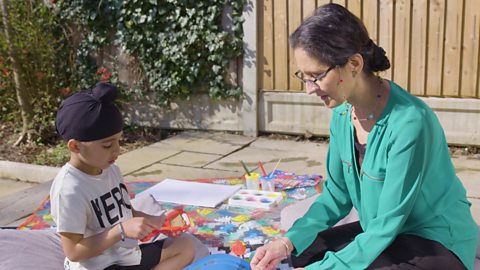
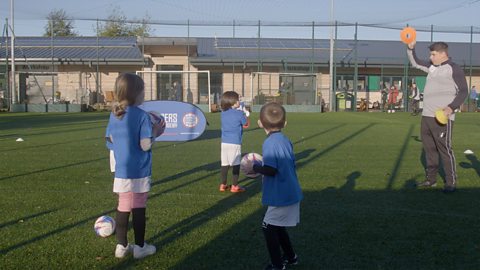
Red Light, Green Light
This fun traffic light game with Rangers Soccer Academy can help develop motor, listening and language skills.
- Attribution
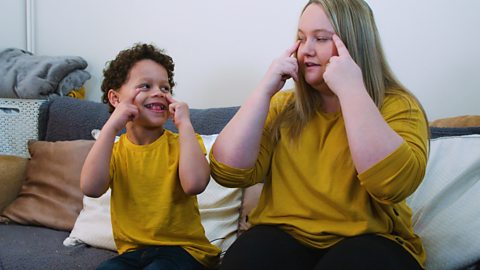
Singing action songs
Action songs are more than just great fun. they help children learn the words more quickly.
- Attribution
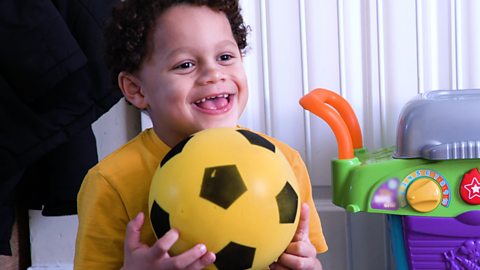
Building an obstacle course
Obstacle courses are great for learning teamwork and problem-solving skills.
- Attribution
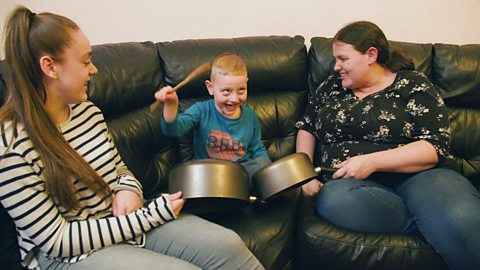
Drumming games
Drumming games are great for building your child's sense of rhythm.
- Attribution
Passing a ball
Simple ball games can help your child learn to take turns and learn words for describing actions.
- Attribution
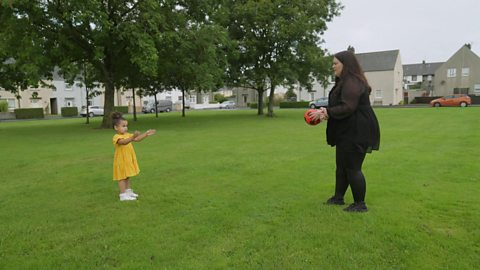
Putting things in order
Sorting objects in a row is a great way for children to develop their reasoning and organisational skills.
- Attribution
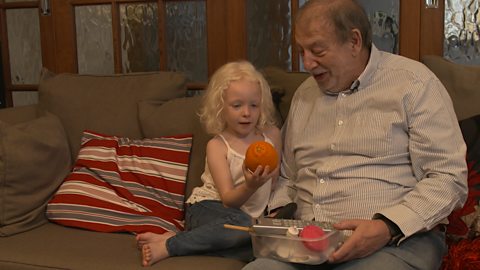
Over and under
Try playing this game with your child and use position words such as 'over' and 'under'.
- Attribution
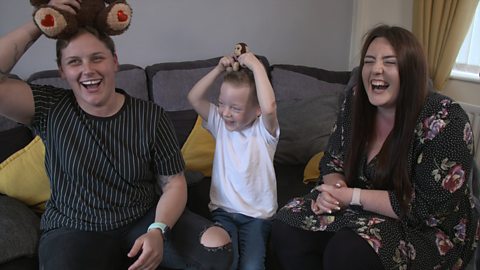
Throwing game
Playing throwing games with different targets helps to boost your children's hand-eye coordination and concentration.
- Attribution
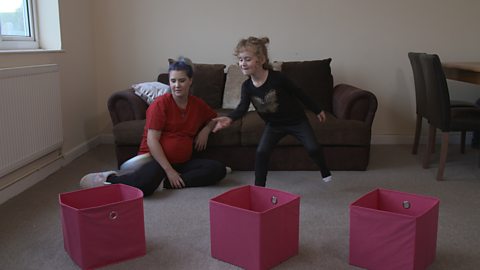
Indoor treasure hunt
An indoor treasure hunt is a really fun way of developing your child's attention and listening skills.
- Attribution



Build their imagination
Have a teddy bear picnic
Throw a teddy bear's picnic and you'll help boost your child's imagination.
- Attribution
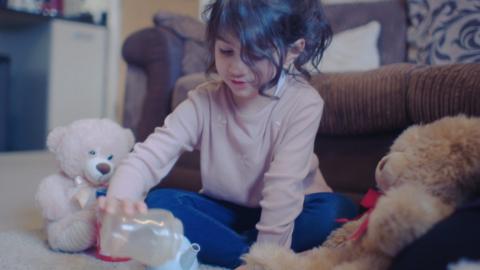
Enjoying storytime
Why making up stories is a great way to start a conversation with your child.
- Attribution
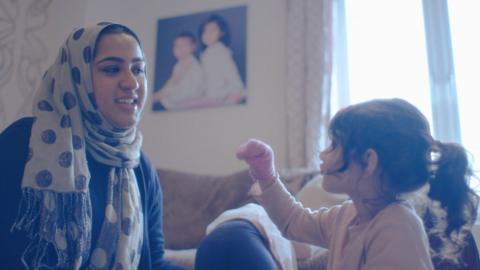
Sound effect stories
Adding sound effects to a story is a great way for your child to link words and sounds.
- Attribution
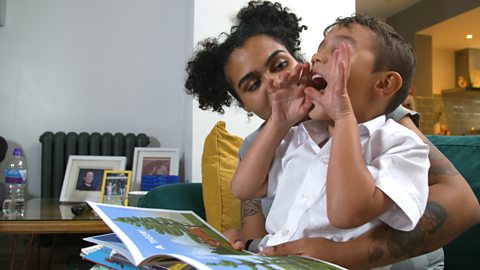
Changing nursery rhyme words
Make up your own nursery rhymes by changing the words to the classic tunes.
- Attribution


Best Start in Life
Free, trusted NHS advice and guidance to help you have a healthy and happy baby during pregnancy, birth and parenthood.
Is your child younger or older?
- Attribution