The third film offers strategies for bringing a drama to its conclusion, using as the context the history topic Ancient Egypt and the discovery of the tomb of Tutankhamun in particular.
The video

3. Concluding a drama
The third and final video follows an upper KS2 class and their teacher in London as they work their way through Session 3 of Framework 3: Ancient Egypt.
Sessions 1 and 2 of the framework pupils explore beliefs about Ancient Egyptian deities and begin to assume the role of archaeologists in The Valley of the Kings. In the film covering Session 3 of the framework the pupils:
- Explore the tension between the drive for knowledge of the archaeologists and the beliefs and funerary rites of the Ancient Egyptians
- Have the freedom to express what has interested them in the drama work in a final scene making activity.
The drama strategies demonstrated in the film are:
- Five point narrative: pupils make a sequence of five still images showing the discovery of the tomb and then sequence the still pictures in time to music
- Conscience alley: one pupil takes on the role of the archaeologist and walks down an 'alley' created by other members of the group, who speak the archaeologist's innermost thoughts at a key moment of the drama
- Scene making - dream sequence: pupils work in groups to show a dream sequence which incorporates content and strategies of their own choosing.
More information on the drama strategies used in the film can be found in Framework 3 and in the Teacher Notes.
Duration: 13' 30"
Resources
The framework pdf documents include hyperlinks to the individual resources. For best performance it is strongly recommend that you download the framework pdf and then open it using a suitable program - such as Acrobat - rather than using the framework in your browser.
Framework 3: Ancient Egypt. document
Exploring the KS2 history topic Ancient Egypt. Accompanies Film 3: Concluding a drama.
Teacher Notes. document
Offers an overview of the content of the resources and more detail on the drama strategies included.
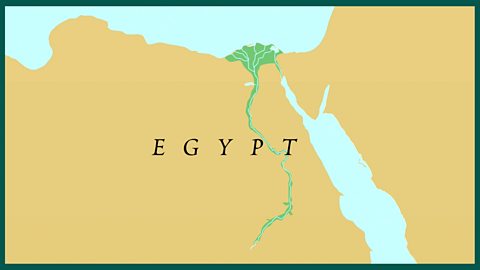
Resource 1: Map animation. video
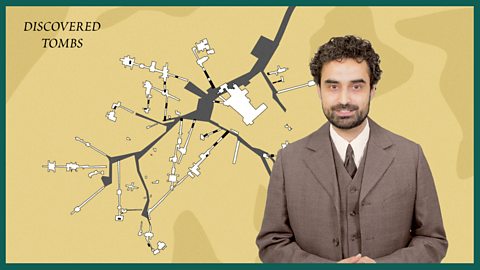
The map locates Egypt in relation to the UK and then The Valley of the Kings.
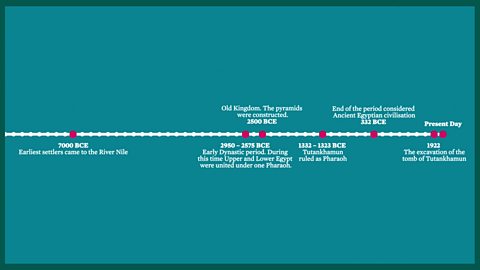
Resource 2: Timeline animation. video
The timeline animation shows the Ancient Egyptian era in relation to the present day.
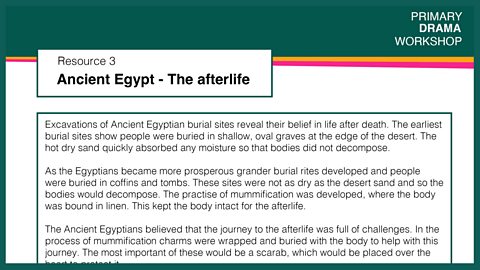
Resource 3: Ancient Egypt - The afterlife. document
Key information about Ancient Egyptian beliefs about the afterlife.
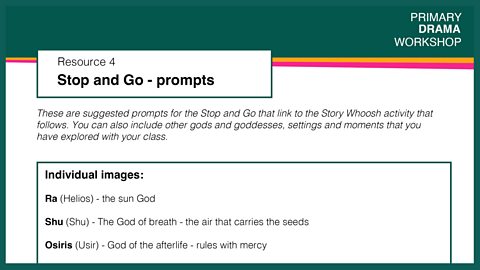
Resource 4: Stop and Go - prompts. document
Suggestions for still images to make during Session 1.
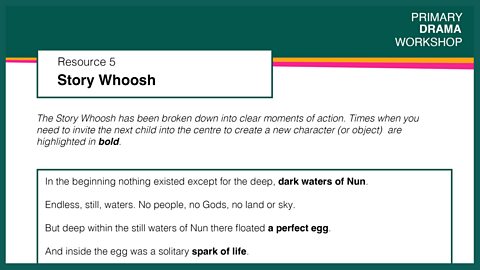
Resource 5: Story Whoosh. document
The text of the Story Whoosh to read and act out with pupils.
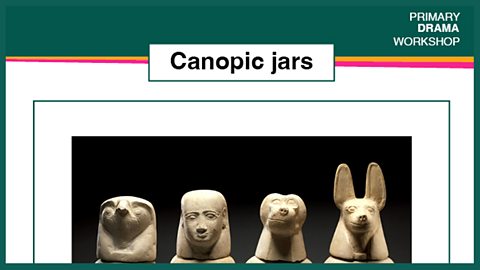
Resource 6: Small group research - Expert information for archaeologists. document
Four information sheets on canopic jars, amulets, The Book of the Dead and shabtis.
Resource 7: The Head of Antiquities. video
An address from an imaginary Head of Egyptian Antiquities.
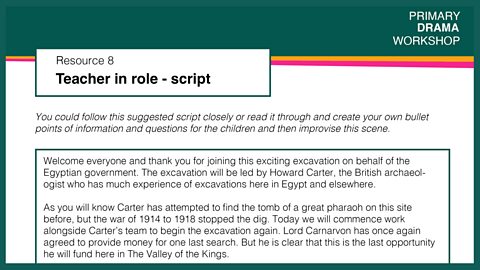
Resource 8: Teacher in role - script. document
Possible script to use alongside the children in role as archaeologists.
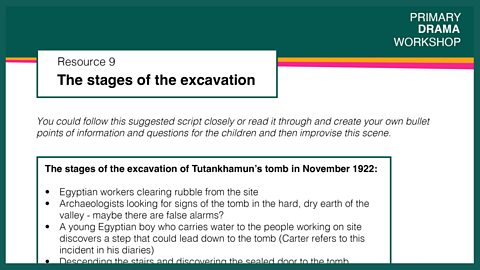
Resource 9: The stages of excavation. document
Detailing the main stages of the discovery of the tomb of Tutankhamun.
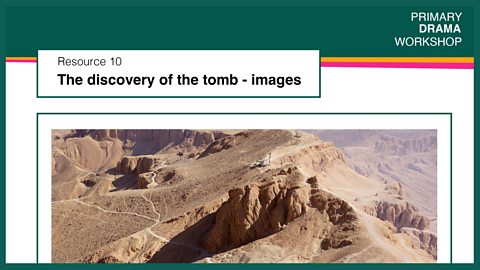
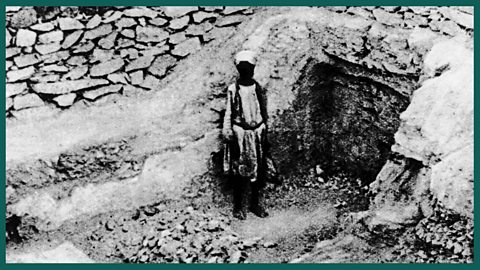
Resource 10: The discovery of the tomb - images. document
Images relating to the discovery of Tutankhamun's tomb in November 1922.
Resource 11: Music - to underscore the Five point narrative. audio
You can use the music to add timing and atmosphere to the Five point narrative.
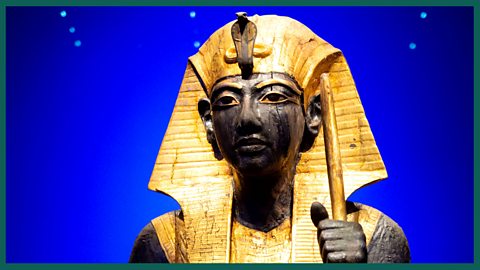
Resource 12: Audio - the speech of the Egyptian boy. audio
The imagined speech of the Egyptian boy, asking the archaeologists to leave the tomb untouched.
Related resources from BBC Teach
Ancient Egypt - a collection of animations exploring many aspects of Ancient Egypt including gods and goddesses, the River Nile, and pyramids, with several catchy songs to consolidate learning.
