PRESENTER: Hi, Mike.
MIKE: Hi.
PRESENTER: Right, maybe you can help me - see, I need to find out about rural birds, but I also need to find out about birds of prey. So, first things first, what is a bird of prey?
MIKE: Birds of prey are really special. They're at the top of the food chain. All birds of prey eat meat. Some birds of prey catch live animals, some eat animals that are already dead. It's called carrion.
PRESENTER: Ugh! So how are birds of prey different from other birds?
MIKE: Birds of prey have got some special features. If you look at this skull here. This is from a tawny owl. All birds of prey have got very big eyes. And their eyesight is about ten times better than ours. So it helps them find their food. Once they've found their food, they've got a big hooked beak, which helps them kill or eat their food. And all birds of prey have also got special claws called talons, which are sharp and pointy like this one here on the farm.
PRESENTER: So what about the birds of prey that you'd find here, like the red kite, what do they look like?
MIKE: If you just hold this for one second.
PRESENTER: What's this? Hey! Oh! Thought that was real bird. It's not. It's just a blanket that looks like a bird. Wow! They're quite big, aren't they?
MIKE: Yeah, red kites are big, they're one of Britain's biggest birds of prey. They have got a wingspan of about 1.8 metres and the tail is a lovely fork-shape, which makes them unique.
PRESENTER: So what other kinds of birds of prey would I be able to find on this farm?
MIKE: You get things like buzzards and kestrels, sparrowhawks, peregrine falcon. Last year we even had a golden eagle, but some of these birds of prey are quite difficult to spot.
Video summary
An outline of the common features of birds of prey and a look at the birds of prey found at a Scottish farm.
This short film comes from the BBC series, See You See Me.
Teacher Notes
- The clip could be used when children are looking at comparing a variety of animals, and identifying key features of common animal groups.
- They could cut or draw pictures of examples from the common animal groups and write down the key characteristics of these animals.
- For example: birds have feathers, a beak, lay eggs and can fly; reptiles have scales, are cold-blooded and lay eggs on the ground.
This short film is relevant for teaching Science at KS1 in England and Wales, Foundation and KS1 in Northern Ireland and Early level and first level in Scotland.
What do urban birds eat? video
A look at the different foods eaten by urban birds.
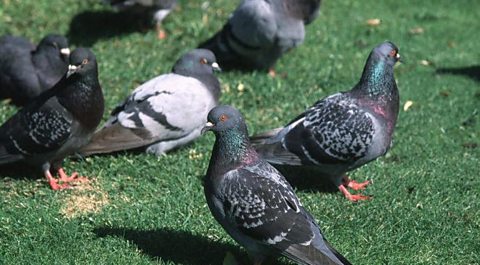
What are the characteristics of reptiles? video
A brief audio slideshow explaining the characteristics of reptiles and how they are different to other animal types.
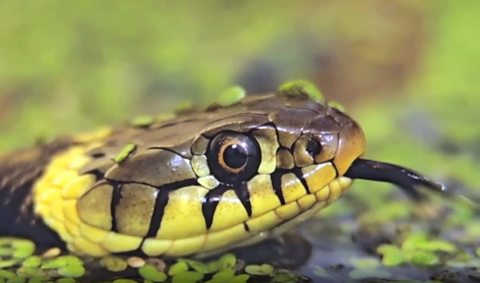
What are the different types of mammals? video
A short audio slideshow showing some different types of mammals.
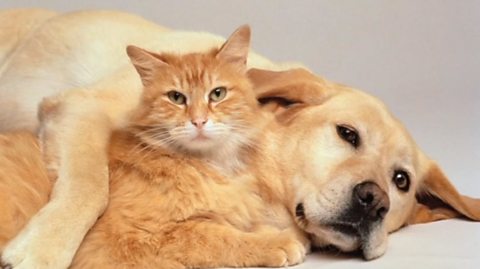
Animals. collection
A collection of KS1 science clips about animal classification. Watch simple introductions to fish, amphibians, marine life, egg-laying animals, spiders, animals with patterns and nocturnal wildlife.