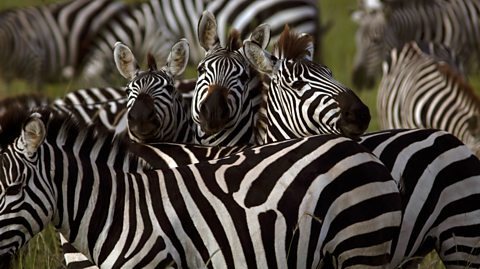
There are lots of mammals in the world and to help you identify them, there are two important things to know.
The first thing is that all mammals have hair like sloths who love hanging upside down in trees.
Their hair grows up towards their head, so the rain runs off.
This beaver has thick fur to keep it warm as it pops in and out of the river.
Elephants don't need fur, because it's warm where they live.
They do have a few wiry hairs though.
And they are the biggest mammals on land.
They're not the tallest though, that's the giraffe.
These amazing mammals have long necks to help them eat the leaves at the top of the trees.
They have fine hair on their bodies and short tufty hair along their necks.
There are also mammals in the ocean.
Yes, whales are mammals, not fish, and like all mammals, they have hair.
Not much hair, just a few bristles, but it's still there.
Some mammals are small and live near you, like dogs and cats who have soft hair or fur.
And hamsters, hedgehogs, rats and even bats.
The second thing you need to know about mammals is that all mammal mothers produce milk for their young.
This cow has lots of milk for her calf.
These piglets are hungry for milk too.
Young gorillas, chimpanzees and orangutans also grow up strong and healthy, thanks to their mother's milk.
And so do marsupials, like kangaroos, wombats and koalas.
So now we know that all mammals have hair and as babies, they drink milk from their mother.
Just like humans.
Video summary
A short audio slideshow showing different types of mammals.
Teacher Notes
- This video could be used to introduce a discussion about animal groups.
- Pupils could list the characteristics of mammals and identify animals as mammals based on these characteristics.
- They could compare the characteristics of mammals with characteristics from other animal groups.
This short film is relevant for teaching Science at KS1 in England and Wales, Foundation and KS1 in Northern Ireland and Early level and first level in Scotland.
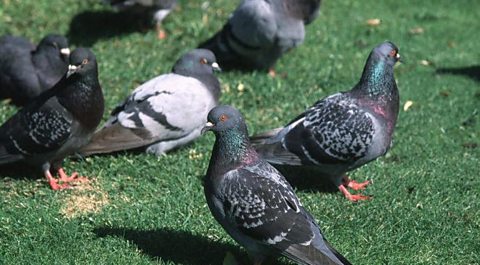
What do urban birds eat? video
A look at the different foods eaten by urban birds.
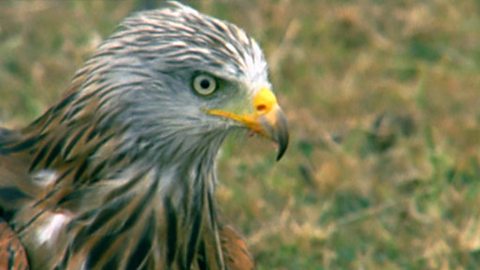
What is a bird of prey? video
An outline of the common features of birds of prey and a look at the birds of prey found at a Scottish farm.
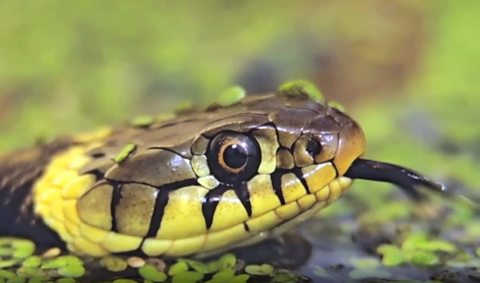
What are the characteristics of reptiles? video
A brief audio slideshow explaining the characteristics of reptiles and how they are different to other animal types.
Animals. collection
A collection of KS1 science clips about animal classification. Watch simple introductions to fish, amphibians, marine life, egg-laying animals, spiders, animals with patterns and nocturnal wildlife.