Sometimes it can seem like our lives are very separate from nature…That the natural world is a distant rain forest, a far-away desert or a country meadow.
But we are as much a part of the natural world as anything else.
What we do affects it, and it affects us.
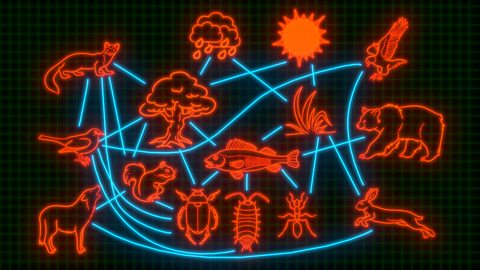
Whether an ecosystem is the whole planet…An ocean or back garden, everything is connected.
Sometimes that relationship can be difficult to see… Sometimes it can be more obvious.
These are the penguin's of Boulder's beach, in Simon's Town, South Africa. These penguins usually live on remote, unpopulated islands, avoiding the mainland and humans. But these penguins seem to have made themselves quite at home amongst the town's population… Sometimes too at home.
But is this a conservation success story? Is this a great example of humans living in harmony with the natural world?..
The truth is more complicated than simply yes or no.
Although the Boulder's beach penguins are thriving, penguin numbers in the area are actually going down fast.
Once, the only problem the birds had to deal with from humans was when the birds' droppings or guano were collected to be used as a very useful fertiliser – this could affect the penguins' nesting habits. This problem was easily fixed though with regulations on how the guano was collected.
Lately, however, there are more serious problems. Evidence suggests that some human activity could be changing the world's climate. The world is getting warmer, and due to the changing climate, there is evidence that the sardines and anchovies the penguins eat have begun moving to colder waters, away from the penguin colonies, which is making it harder and harder for the penguins to survive.
And to get the fish that remain, the penguins must compete with humans using modern fishing techniques. And in 2000, an oil spill had a terrible effect on the birds in the whole area.
Human activities have affected the penguins here in many negative ways. But humans can also have a positive effect. Boulder's beach and Simon's Town has become a nature reserve in recent years, and there are now rules in place to protect these birds.
The penguins bring tourists and money to the local economy, so by helping the birds, the local people have also helped themselves.
Wherever you live, there are positive things you can do to help the natural world and the environment. From picking up litter to recycling to being energy-efficient in your home; no matter how small, everything we do has some effect.
Everything in an ecosystem is connected, so small or big, what we do and how we live our lives will affect it.
Video summary
Humans can have an impact on ecosystems and the environment.
The penguins of Boulders Beach, Simons Town, South Africa currently live in harmony with humans but despite this harmony the penguin populations is declining.
The penguins droppings, guano, makes a good fertiliser and the collection of it by humans was having a negative impact on the penguins and their nesting habits until regulations were brought in.
There is evidence that human activity is affecting climate change and in turn having an impact on the penguins food source.
Competition with humans and an oil spill in 2000 have also had a negative impact on the penguin population.
However since Boulders beach has become a nature reserve, it has boosted the local economy through tourism.
We can also have a positive effect on the environment by the actions we take and the way we live - no matter how small.
This clip is from the series Natural world of plants and wildlife.
Teacher Notes
Pupils could be asked to list the ways humans have an impact on the environment both in their local community and on a global scale.
Pupils could then design a poster or have a class discussion on what we can do to limit our impact on our environment.
This clip will be relevant for teaching science at Key Stage 2 and Key Stage 3 in England, Wales and Northern Ireland or Second/Third Level in Scotland.
How animals have adapted. video
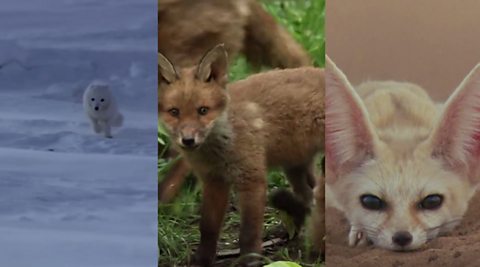
A look at a selection of animals, investigating how they have adapted to their environments.
Classification of organisms. video
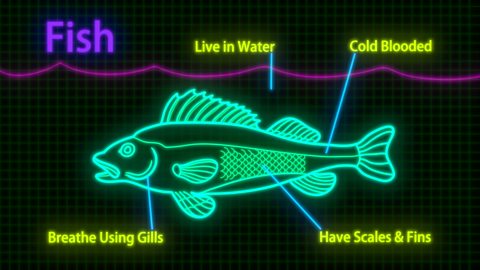
A look at how fish, reptiles, mammals and birds are classified into groups based on shared characteristics.
The life cycles of different organisms. video
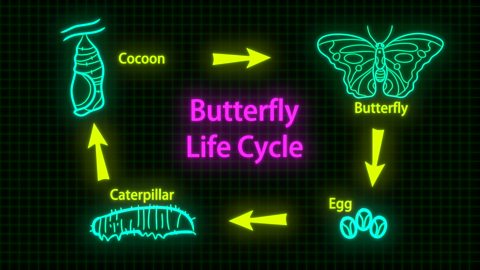
A look at the life cycles of a range of organisms including a mammal, an amphibian, an insect, a flowering plant, a bird and a human.
How plants and animals reproduce. video
An investigation into the many different ways animals and plants reproduce.
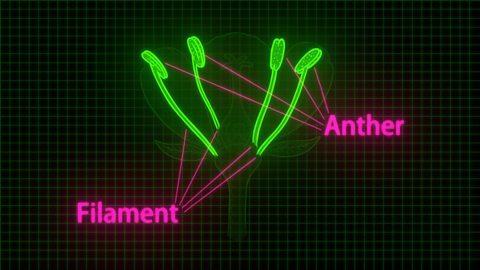
Food chains and food webs in animals. video
How energy is transferred through food chains and food webs via producers, primary and secondary consumers, predator, prey and decomposers.
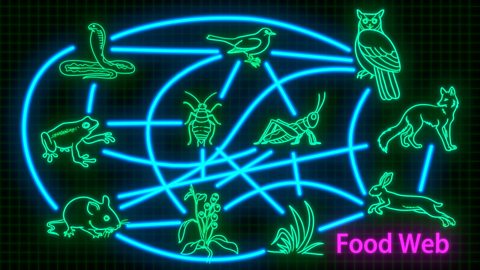
The connections within ecosystems. video
An introduction to the concept of an ecosystem, exploring different types and looking at the connections between the living and non-living components of an ecosystem.