This short film, first published in 2013, is for teachers and review is recommended before use in class.
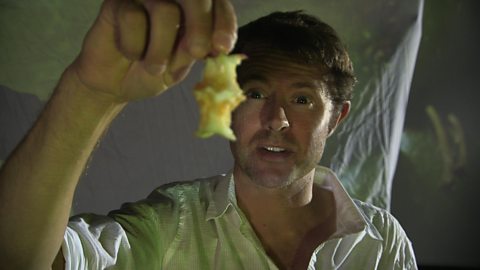
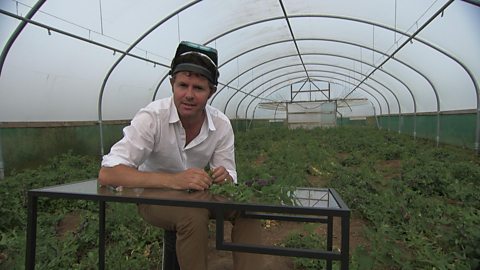
Stefan Gates explores the science of pollination, explaining how pollen contains the male reproductive parts of the plant and reveals the vital role that pollinators like bees and other insects play in our fruit harvest.
This is from the series: Science of the Harvest
Teacher Notes
Students could research the role that insects and bees in particular, have in pollinating plants.
Can they find any other examples of animals besides insects that pollinate specific plants?
Students could then study the parts of flowers.
They could be allowed to collect flowers from their gardens or the school grounds.
These could then be drawn in their books or digital photographs taken.
They could then be dissected and the individual parts of the flower identified. Care should be taken with sharp implements.
Curriculum Notes
This clip will be relevant for teaching Biology/Science at KS3 and KS4/GCSE in England and Wales.
Also at Third , Fourth Level, National 4, National 5 and Higher in Scotland.
This topic appears in OCR, Edexcel, AQA, WJEC, CCEA and SQA.
More from the series: Science of the Harvest
Biology KS3 / KS4: Germination and the conversion and storage of glucose. video
Stefan Gates explores the science of energy storage in plants.
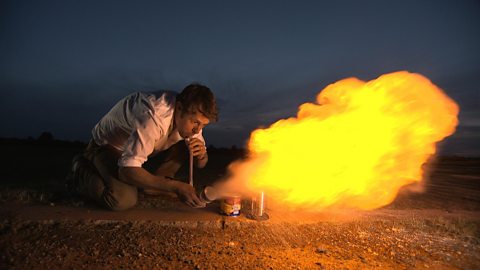
Biology KS3 / KS4: How photosynthesis is vital to the success of farming. video
Stefan Gates reveals how we can see photosynthesis in action using some simple props.
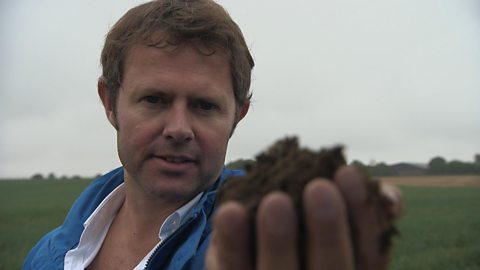
Biology KS3 / KS4: How the combine harvester has changed the way we farm. video
How technical mechanisation and combine harvesters have revolutionised the way we farm.
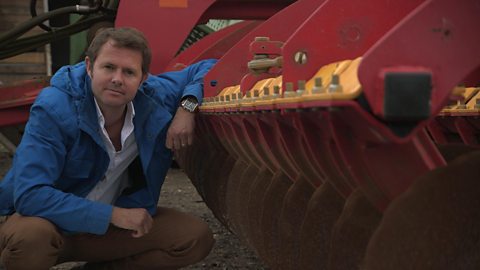
Biology KS3 / KS4: The development of artificial selection in farming. video
Stefan Gates reveals the ways in which plant breeders can speed up natural selection.
Biology KS3 / KS4: The science of ripening and seed dispersal. video
Stefan Gates reveals the science behind the food we grow and why plants produce fruit.