| 13 November 2014 |

| |
| BBC Homepage | | |
| |||
| Contact Us | | |
ProfilesYou are in: Suffolk > People > Profiles > A mental health timebomb? 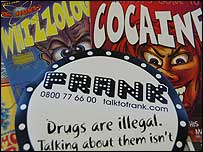 DAAT leaflets A mental health timebomb?By Andrew Woodger A Suffolk substances rehabilitation charity says the 'war on drugs' cannot be won and we need to invest in services to beat addiction and overcome mental health problems. We also need to be more aware of the long-term effects of illegal drugs. As part of the BBC's Headroom campaign we're looking at the taboo of talking about, or admitting you've got, mental health problems. With the growth of recreational drug-use in society, experts are warning that the potential for a rise in mental health problems is enormous. "I think there's a lot of misinformation and a lack of education about the crossover between mental health issues and drug addiction," said Chip Somers, who's the Chief Executive of the rehabilitation charity Focus12. He's 60 years old, and made his own journey of recovery from two decades of drug-use and heroin addiction which started when he was in his late teens (more about Chip's story later). 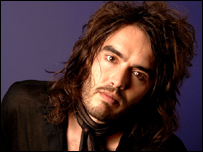 Russell Brand Focus12 is based in Bury St Edmunds and its celebrity clients/patrons include Russell Brand and Davina McCall. Brand has actually been through the charity's programme and he writes about it in his autobiography 'My Booky Wook'. In 2009, Brand donated £60,000 to help Focus12 out of a financial hole. "Drugs are now completely entrenched in our society. Trying to attack the drug problem as if it were a battle that can be won is a lost cause. "We have to start learning how to deal with the effects of that. We have to have systems in place that will continually learn and deal and treat people with drug problems. "I get depressed with the lack of resources put into dealing with a big problem for society, but it is incredibly rewarding work watching people turn their lives around." Related Headroom features: The extent of the problemSuffolk's Drug & Alcohol Action Team (DAAT) is a multi-agency group which estimates that there are 2,500 'problem drug-users' in the county - those who're damaging themselves, their families or their ability to work. In 2007/8 DAAT treated 1500 people with drugs problems - a new record which compared to 1260 people the previous year. According to the drugs agencies, most of these people could be on the road to experiencing mental health problems.  Conventional wisdom says there are clear links between alcohol and depression; cannabis/cocaine/amphetamines and psychosis and paranoia. Chip said psychosis means people losing their grip on reality: "You will start to have auditory and visual hallucinations. There will be things that start to go wrong with the way you view the world mentally. You're not operating properly - the brain starts short-circuiting. "If you are prone to mental health issues, substances such as cannabis, amphetamines and cocaine should be avoided at all costs. Taking drugs is a moderately unnatural thing to do. "I know that there's been an argument that cannabis is a plant and it's natural, but it's a bogus argument. You wouldn't take deadly nightshade because it comes from nature." However, Focus12 says the jury's out on the long-term effects of ecstasy, although links have been made with depression and problems with cognitive behaviour. Meanwhile, heroin has different mental affects. "Not per se, but it's a kind of side-effect," said Chip. "There will be changes in the way you think about yourself, society and the world. Your morals will definitely go out of the window, you'll probably become more violent in the ways you get the drug. "You become prepared to do anything to get the drugs." Simon Aalders, who's the co-ordinator of DAAT said it's difficult to say if the mental health problems arising from drugs are growing: "Whether we're sitting on a timebomb or not, I don't know. What we do know is that there are more people with definable mental health problems. Depression is the most common problem and depression is linked to illegal drugs and alcohol. "The more serious mental health problems such as schizophrenia or psychotic problems - I'm not entirely sure we're seeing a dramatic increase in those problems. "Our job is to make sure they get dealt with by the correct treatment agency." 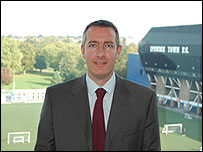 Simon Aalders at the County Council DAAT carries out a lot of preventative drugs education - for young people the main drugs are cannabis and alcohol. "Drug and alcohol misuse are serious challenges to society at the moment. The impact of alcohol in terms of violence at night in town centres and health are considerable. "With drugs there are serious challenges in terms of the involvement of organised crime. "Drug addicts put themselves in difficult positions. People do things that they would never normally do - house burglaries and prostitution." Focus is primarily concerned with beating addiction before looking at any mental health problem. They say you have to get the client off the drug first before you can look at any other issues in isolation. Only then can you establish if the mental health problem is related to the drugs or was there anyway. Focus would then also work with agencies such as MIND or the NHS Suffolk Mental Health Partnership for further treatment for the mental health problem. Chip's own nightmareFocus12 is run by people who've been through addiction problems and know what they're talking about from personal experience. Chip Somers was addicted to drugs from the age of 17 until he decided to seek help when he was 37. He was a heroin addict for 13 of those years. "Everybody's familiar with the concept of taking a chemical, even if it's only alcohol and feeling good - a bit more relaxed; a bit more uninhibited. And people want to repeat that. "I was taking anything that was put in front of me - sometimes not even knowing what they were. "With heroin the first effect was physical - my tolerance went through the roof, so I had to have more and more each day. Alongside that was a complete deterioration in my moral behaviour and attitude to the world.  Chip Somers "It became incredibly selfish, incredibly self-centred and all I was interested in was my own survival in terms of heroin use. "We're talking about ending up being in prison on theft charges. In the course of my heroin 'career' I did things that I'm now deeply ashamed of." Chip's final thought is about the relatively minor effects of drugs compared to alcohol: "The cost of alcohol problems is hugely greater to the taxpayer than the cost of drug problems. "These problems includes accident and emergencies, domestic violence, drink-driving, violence on the streets." Related Headroom features: last updated: 23/01/2009 at 15:35 Have Your SayHave you got a drugs and mental health story you can share with us (anonymously)? My son has been on all types of drugs including methadone.since he was 17, he is now 32. and has been trying for the last two years to stop, he has tried to get rehab through all the correct organisations, but to no avail. he has stopped and started again. it is something he cannot do alone, he needs more support than l can give him. the depressions he sinks into are horrendous, almost suicidal. we are now trying to get into focus 12,but with no spare finances it will take time to get funding. and this seems to be the biggest problem. funding! and the longer it takes the more depessed he gets. at the moment he has done 3 days with just methadone. l am not sure how long he can continue like this..maybe he will just stay one in along long line of addicts that never get back into having a proper life.................unless someone steps in and pulls him out of this mire.. Having enndured the problems associated with both alcohol, and drugs, prescribed and illicit, all I can say in all honesty, that at the treatment level, far too assumes that the 12 step approach is best. This antiquated model is well past its sell by date, and until the likes of Mr.Somers and others realise this, no progregree can be made. To link drug problems with mentle illness is distorted in my view. of course there are those that suffer both but theres no real evidence to suggest one leads to another. These are two seperate problems in society and its wrong the media should cosyily label the two together. nor is it right to label heroin addiction to other drug addition like cocaine cannabis tobacco alcohol as they are different root addictions. until we seperate things we cant get to the roots of dealing with the causes be it physical or psychological. I think with the current level of medical knowledge we cant assume anything ie take drugs away from anyone suffering mental illness and they still have it and vice versa. CALLEN [The Voice] ive had a long history of drug abuse crack and heroin ive resently got out of jail where i did a cognitive therapy course for 12 months i am doing really well and would like to educate and help other people who are struggling im just not sure which route to take in short can i have a job please SEE ALSOYou are in: Suffolk > People > Profiles > A mental health timebomb? |
| | About the BBC | Help | Terms of Use | Privacy & Cookies Policy |