

With its uniquely varied landscapes and vibrant, diverse cultural influences, Colombia is a true melting pot. So, it’s no surprise that this welcoming country is becoming a global powerhouse for gatherings.
The country is home to eight UNESCO World Heritage sites ranging from a fortress to one of the world’s finest coffee-growing regions, and many of these sites routinely welcome groups of foreigners each year.
One unmissable heritage site is the diverse and sprawling Coffee Cultural Landscape of Colombia, which encompasses the departments of Risaralda, Quindío and Caldas and their six farming landscapes, including 18 urban centers on the foothills of the western and central ranges of the Cordillera de los Andes in the west of the country.
Of the 600,000 coffee producers in the country, most are to this day small, rural operations that have passed down traditional cultivation techniques through generations. Coffee-loving visitors will delight in plantation tours led by the families who tend to the land, where branches are weighed down with bright, red coffee berries, and lush, rolling hills extend as far as the eye can see.
Many plantations also welcome visitors to their fincas, or farmhouses for lunch. On the menu: Bandeja paisa. A traditional dish that includes rice, meat, beans, eggs, chicharrón, and of course, coffee.
Excellent for day visits, plantations are also ideal locations for weddings (Colombia welcomes same-sex unions) or other gatherings. Many farms welcome groups of overnight guests in hotels or intimate guesthouses—and given their location within the countryside, these are excellent starting points for adventures like hiking, paragliding, visits to natural hot springs such as Santa Rosa in Quindío and exploring nearby towns.
Nature lovers will appreciate the Cocora Valley in Salento, which is home to Colombia’s iconic Quindío wax palms, as well as a vast array of birds. Its elevation and subtropical climate create the perfect environment for about 600 species of birds, including yellow-eared parrots, Andean condors and hummingbirds galore. Birdwatchers can hike on their own to spot avian life or take one of many professional birdwatching tours.
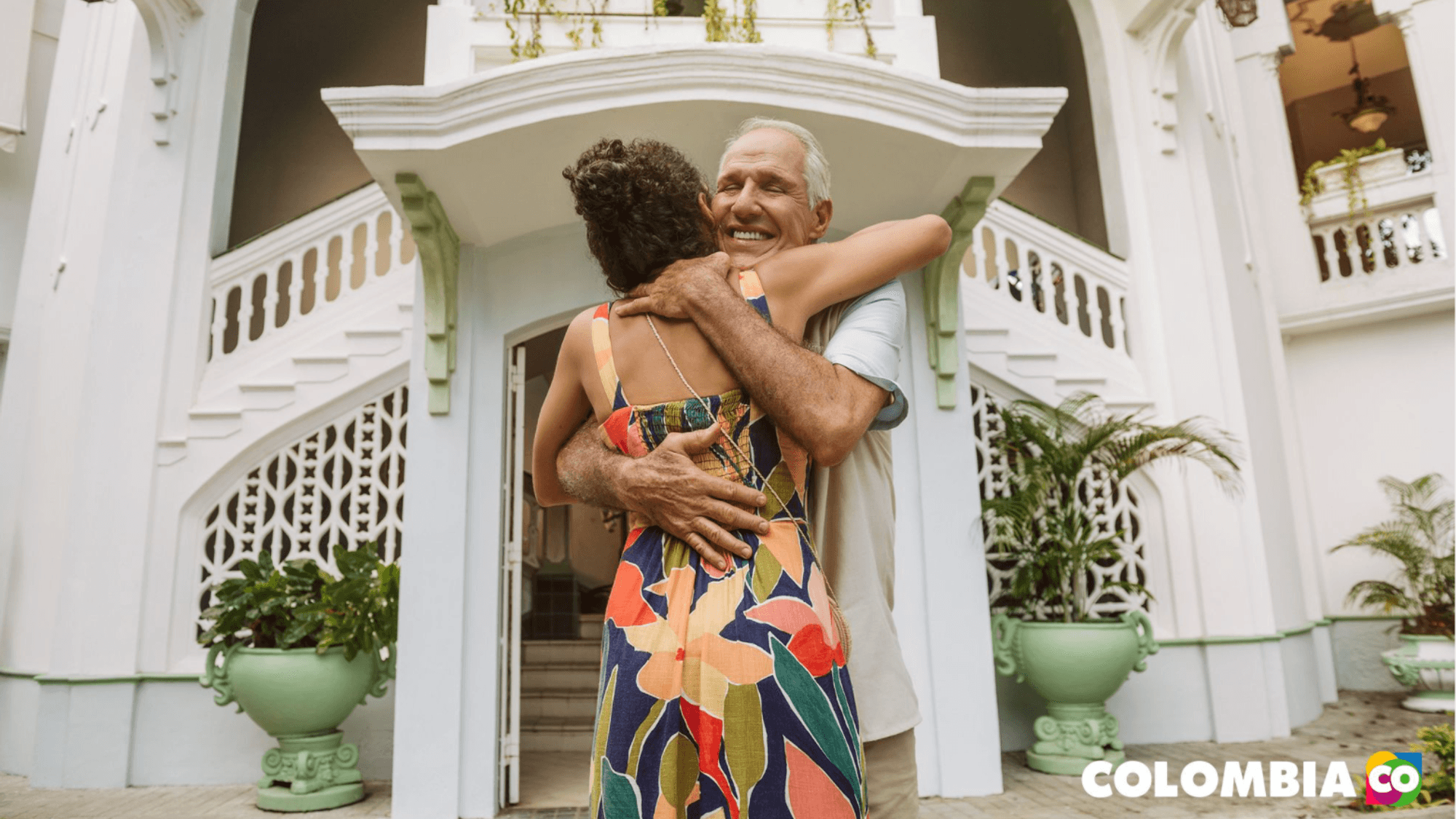
Situated on the shores of the Caribbean Sea, the colonial walled city Cartagena de Indias is another unique site for events. With a 16th-century fortress as its main attraction, Cartagena also offers multiple non-traditional venues such as plazas, colonial mansions and fortifications, all of which experience the sea breezes and sunsets that inspired the Colombian Nobel prize winner, Gabriel García Márquez.
Colombia’s six other world heritage sites provide ample draw for conference extracurriculars. The National Archeological Park of Tierradentro holds monumental statues of human figures as well as underground tombs displaying the cultural wealth of a pre-Hispanic society in the northern Andes. At the nearby San Agustín Archaeological Park, you’ll find the largest group of religious monuments and megalithic sculptures in South America. Mompox in the north is a rare example of an intact, functional Spanish colonial city, while Qhapaq Ñan features an Inca-built Road System connecting multiple countries.
When you get the chance to visit Colombia, you’ll have an experience you’ll never forget in the most welcoming place on Earth.

