The kit
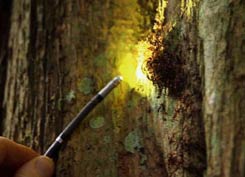
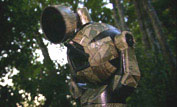
All two tonnes of kit was brought upstream in canoes. We had everything from aquaria to keep the snakes we had caught, to a tiny fridge for the antivenom in case someone was knobbled by one of them. The only venom victim was George. A scorpion stung the end of his finger when he broke his own golden rule of 'don't put your hand down a hole.' Then we mustn't forget the cameras – 25 of them. We had tiny ones for poking down holes, remote ones to trap animals even if we weren't there, infra red ones for night time, thermal cameras and insect cameras. But most of all we had broken cameras. Microelectronics and jungles just aren't a good combination. Teasing and cajoling them back into life was a full time task throughout the month we were in the forest. Luckily after our last adventure on Expedition Borneo we had learnt a few tricks of the trade and kept them running long enough to capture the remarkable wildlife of this unique rainforest. The people
It takes a small army to make these films. As well as our four main presenters – Steve, George, Justine and Gordon, we had two cameramen, two sound recordists, and two directors for the filming. There were a couple of people organising it all and me ordering everyone about. Tim was our professional climber, and we had a field medic in case anyone was bitten by a snake, fell out of a tree or came down with one of the many dreaded lurgies that can be caught in the jungle. There were three cooks (very important) from the nearest village, 100km down river. All in all we had 18 Brits and the same number of expert Guyanese companions including five boatmen who could negotiate the rapids. The four great jungle trackers, all Amerindians, have spent their life in the rainforest. Henry, Nigel, Elvis and Hendricks all work for Conservation International an organisation deeply involved in conservation in Guyana. |