 | | | | | | | |||||||||||||||||||||||||||||||||||||||||||||||||||||||||||||||||||||||||||||
| | ||||||||||||||||||||||||||||||||||||||||||||||||||||||||||||||||||||||||||||||||||
|
Tsunami: 'Shelters for all in 2006' | ||||||||||||||||||||||||||||||||||||||||||||||||||||||||||||||||||||||||||||||||||
Sri Lanka's government pledged to provide permanent shelters for all tsunami homeless by the end of the first quarter of 2006. Secretary to the Prime Minister Lalith Weeratunga told BBC Sandeshaya that the government has already built 30,000 temporary shelters for tsunami affected. He expressed confidence that at least half of the homeless will be provided with shelters by the end of the year. Weeratunga, who is also a member of Task Force for Rebuilding the Nation (TAFREN), was responding to allegations made by international aid agencies , that the government is holding up tsunami reconstruction work. “We need land to build the houses on. But the government hasn’t got around deciding where it is going to happen," Dominic Nutt, a spokesman for Christian Aid told the BBC.
Christian Aid said tsunami homeless are getting frustrated as they have been living in camps for five months. But the senior official who called the allegations "baseless" said that Non Governmental Organisations (NGOs) have a habit to accusing authorities for every failure on their behalf. "There may be a slight delay in identifying land because we need to make sure that the most suitable places are identified for resettlement." Finding suitable government lands beyond 100m buffer zone is a serious task, Weeratunga said.
He accused the International NGOs making use of the tax amnesty offered for tsunami relief for "other purposes". NGOs have been accused of "endangering National Security" by bringing communications equipment and helicopter parts to the country. Over 30,000 were killed and nearly a million made homeless by December 26 tsunami in Sri Lanka. |
| ||||||||||||||||||||||||||||||||||||||||||||||||||||||||||||||||||||||||||||||||||
| |||||||||||||||||||||||||||||||||||||||||||||||||||||||||||||||||||||||||||||||||||
| |||||||||||||||||||||||||||||||||||||||||||||||||||||||||||||||||||||||||||||||||||






 Email to a friend
 Printable version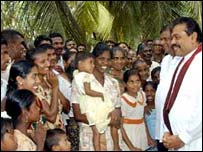
 NGOs have a habit of accusing authorities for failures on their part
