BBC HomeExplore the BBC
This page has been archived and is no longer updated. Find out more about page archiving.


Accessibility help
Text only
BBC Homepage
BBC Radio
BBC Radio 4 - 92 to 94 FM and 198 Long WaveListen to Digital Radio, Digital TV and OnlineListen on Digital Radio, Digital TV and Online

PROGRAMME FINDER:
Programmes
Podcasts
Schedule
Presenters
PROGRAMME GENRES:
News
Drama
Comedy
Science
Religion|Ethics
History
Factual
Messageboards
Radio 4 Tickets
Radio 4 Help

Contact Us

Like this page?
Send it to a friend!


Science
NATURE
MISSED A PROGRAMME?
Go to the Listen Again page
PROGRAMME INFO
Monday 21:00-21:30
Repeat Tuesday 11:00
Nature offers a window on global natural history, providing a unique insight into the natural world, the environment, and the magnificent creatures that inhabit it.
[email protected]
LISTEN AGAINListen 30 min
Listen to 11 September
PRESENTER
BRETT WESTWOOD
Brett Westwood
PROGRAMME DETAILS
Monday 11 September 2006
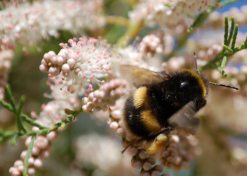
A bumble bee - just one of many creatures covered by the Collins New Naturalist publications.
A close up of a Bumble Bee.

One Hundred New Naturalists 

Chewing moths, nibbling spiders and the psychology of the bumblebee all turn up in the first of a new series of Nature on BBC Radio 4. As the world's longest running series of natural history books marks its 100th title this month, Brett Westwood tells the extraordinary story of the Collins New Naturalists.

From its beginnings as the Second World War drew to a close, this eclectic range of titles set out to "recapture the enquiring spirit of the old naturalists" by presenting British wildlife in a completely new way, examining how animals and plants related to each other and to their environments.

It was the first real series of books to feature ecology and some of the titles show the wide variety of subjects on offer from Weeds and Aliens and British Mammals to A Country Parish and Caves and Cave Life. With their authority and sense of wonder that they evoked, the books are unique.

Brett meets the authors, publishers and of course the collectors of the series which can fetch up to £20,000 in fine condition, and learns of the rise and fall of the New Naturalist as television and the appearance of highly-illustrated books and field guides took their toll.
Listen Live
Audio Help
DON'T MISS
Leading Edge
PREVIOUS PROGRAMMES
The Only Great Ape In Asia
Goshawk Down
Extinction of Experience
Sounds of Britain - The Wrekin forest
Sounds of Britain - An urban Dawn Chorus
Sounds of Britain - Islay
Sounds of Britain - Wicken Fen
A Country fit for Cranes
The answer lies in the soil
Spring Questions
Songbird Special
Spring Blog
The Beetles - Here, There and Everywhere
Unearthing Buried Rivers
100 years of British Birds
The Plum Prospects for Orchard Conservation
Caledonian Pine
Winter Starlings
Cod
100 Years of The Guardian Country Diary
Snails
Coastal Squeeze
The Kite's Tale
Diary From A Strange Country
India's Blue Hills
Ups And Downs
The Urchin In Trouble
Why Garden For Wildlife?
The Sounds of Galapagos
What a Scorcher
In Search of the Emperor
One Hundred New Naturalists
The Rarity Factor
Phoenix Trees
Babbling Meerkats
In Search of Classic
The Lark Ascending
The Engabreen Glacier
Arabian Leopards
An Uphill Struggle
Frogs and Toads
Wild Escapees
Planet Earth Special
Moths
The Animal Image
Badgers: To cull or not to cull?
Re-Wilding
Artic Wolves
The Robin
Autumn Review
Bird Flu Special
Yellowstone Wolves
Trees of Trafalgar
Deep Sea, New Horizons
What's In A Name?
A Blight On The Landscape
New forest; ancient landscape
Great Ape Conservation
Ivory Bill in the Big Woods 
The Soft Estate
A Raw Deal for Reptiles
The Future of Spring
Restoring Spring
The History of Spring
Birds of Paradise
Peregrines In The City
Dancing Bears
Ocean Wanderers
Animal Instinct
The Life of Ferns
Midwinter Wonders
Avocet World
Amazon Adventure
The Clock of Life
Lechuguilla Cave

Back to Latest Programme
Science, Nature & Environment Programmes
Current Programmes
Archived Programmes

News & Current Affairs | Arts & Drama | Comedy & Quizzes | Science | Religion & Ethics | History | Factual

Back to top


About the BBC | Help | Terms of Use | Privacy & Cookies Policy