| | | | | | | | | |

| | | NATURE
|  | |  | MISSED A PROGRAMME?
Go to the Listen Again page | | | | | | | PROGRAMME INFO | | | |
| | | Nature offers a window on global natural history, providing a unique insight into the natural world, the environment, and the magnificent creatures that inhabit it.
[email protected] | | | | | LISTEN AGAIN 30 min 30 min | | | |
|
|
| | PRESENTER | | | |
|  | | | | | | |
| | | | | | PROGRAMME DETAILS | | | |
| 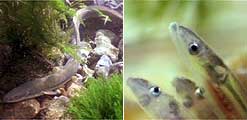 | | | European Eel and Elvers |
Respect Your Elvers
The number of young eels reaching our estuaries and rivers has fallen by over 90% in the past two decades. Lionel Kelleway invetigates whether fishing, pollution and parasites are to blame or if the decline is simply part of a natural cycle.
The European eel has a mysterious lifecycle. The slimy, snake-like adults travel from our rivers and lakes to the other side of the Atlantic to spawn, it is assumed, in the Sargasso Sea. The tiny, willow leaf-shaped young, called a leptocephalus, then spends up to two years carried by the ocean currents until it reaches European shores. They metmorphose into small, transparent "glass eels" and ascend our rivers to live in freshwater where they feed and grow as brown eels. They spend up to 20 years in this stage before they transform into silver eels and start their migration back to the Sargasso.
So what could be causing their decline? Fishermen catch eels when they arrive as glass eels and in their adult stages, but this has occurred for centuries and fishing pressure is probably no more intense than in the past, so fishermen may be off the hook. But eels face other problems. Weirs and hydro-electric turbines can block their migration both upstream and downstream; pollutants can build-up in the eels' body fat and many have become infected with a swimbladder parasite that could affect their migration. All these factors make life harder for eels but Brian Knights from the University of Westminster believes the elvers' decline may simply be due to a natural cycle in ocean conditions and currents and if we wait a few years their numbers will recover. He agrees, though, that we cannot afford to be complacent and there are things we can do to help: keep fisheries at current levels, install passes on weirs so eels can get past them and re-stock rivers that no longer have eels. Although many people don't like eels they are an important food source for species like bitterns and otters so we really should respect our elvers. And fisherman, Roger Castle, argues that they are delicious too! | | |
RELATED LINKS
BBCi Nature
Environment Agency
The BBC is not responsible for the content of external websites
| |
| | |
|