| | | THE LATEST PROGRAMME | | | |
| | Jonathan Freedland looks for the past behind the present. Each week, The Long View, recorded on location throughout the British Isles, takes an issue from the current affairs agenda and finds a parallel in our past.
Have you got a good subject for a future programme?
Send us your suggestion.
| | | 
Fighting the flab |
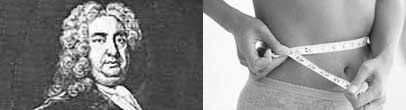
FAT, FOOD AND FADS A look back to early-eighteenth century Bath and the life and career of George Cheyne, a doctor who wrote prolifically on the subject of diet and treated numerous rich and famous patients. The Dr Atkins of his day, Cheyne was enormously fat himself, but his diet plan became hugely popular. Apart from advocating particular weight-loss plans, Cheyne theorised about the causes of obesity, blaming it on the new wealth and sedentary habits of eighteenth century city-living. Cheyne was born at Methlick in Aberdeenshire, he studied medical theory and was made MD of King's College Aberdeen in 1701. In 1702 he moved to London, was elected a fellow of the Royal Society and began his medical career. His first experience of ill health resulted partly from his attempts to build up his practice - he spent a lot of time in taverns and coffee-shops, making the acquaintance of potential patients and enjoying hours of drinking with wealthy new friends. He became extremely fat and unwell, suffering from a whole range of symptoms which he blamed on his unhealthy, sedentary lifestyle, rich diet and the stresses of urban living. | | On Location | |  | | Jonathan Freedland, Dame Sheila McKechnie, Elizabeth Telfer in London
| Desperate for a cure, he retired to the country in search of clean air, exercise, a quieter life and a more frugal, natural diet. His health gradually improved, his body "as it were, melting away like a snow-ball in summer". He visited Bath to take the waters and Croydon to meet Dr Taylor, an epileptic who had devised a milk diet to treat and control his epilepsy. Having adopted much of the milk diet himself, Dr Cheyne returned to London where he continued to live more frugally, avoiding taverns and becoming "lank, fleet and nimble". He clearly wavered at times, however, as over the next few years his weight gradually rose once again. In 1718 Cheyne moved to Bath and established his practice there. The town was increasingly popular with the ailing rich who came to take the waters and escape the stresses of urban living. | | On Location | | 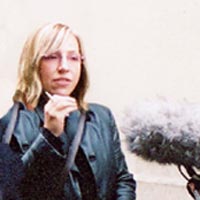 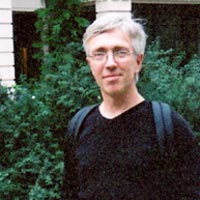 | | Left: Lowri Turner in Bath
Right: Dr John Mullan in London |
What makes Cheyne modern? - His emphasis on the interconnectedness of mind, body, spirit; almost a 'holistic' approach. His development of a 'talking therapy' reminiscent of the modern obsession with counselling. His advocacy of exercise, fresh air and a frugal diet; litres of mineral water, not too much alcohol and lots of vegetables. He thought heredity and diet were the most important contributors to health and advocated prevention of illness through a healthy lifestyle. He saw city-living, over-work and fancy foreign food as all contributing to melancholy, nervous agitation, obesity and ill health. His patients were the weatlhy elite, their environment London and Bath, much like the health spas so popular today. He put the emphasis on the need for self-help rather than reliance on doctors. His enthusiasm for purging is perhaps even a little like the contemporary fashion for colonic irrigation. What makes Cheyne different? - He combined dietary recommendations with a wide range of other treatments; all sorts of potions and pills to induce purging, vomiting and blood-letting etc. Although Roy Porter is struck by how little Cheyne talks about Godliness or lack of Godliness when discussing hysteria, obesity etc, there is a religious dimension to Cheyne's thinking which is missing now. Cheyne was a religious man and he loathed his obesity as a sign of sinfulness.
Contributors:
Dr John Mullan - University College London
Lowri Turner - Journalist and Television presenter
Elizabeth Telfer - Philosopher
Dame Sheila McKechnie - Head of the Consumers Association
| | |
| | |






 Listen to introduction