BBC Radio Solent
Places around the Solent that tell a story of World War One
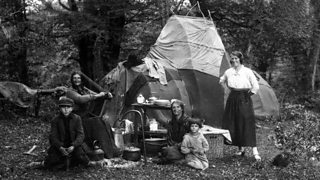
Thorney Hill: Travellers who Served their Country
The little known contribution of gypsy-travellers to WW1
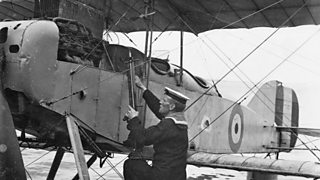
Calshot, Southampton: Seaplanes and Flying Boats
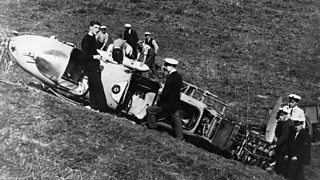
Calshot boasts “the best-preserved group of WW1 seaplane hangars in Europe”
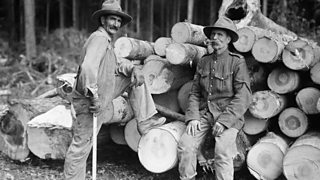
The New Forest, Lyndhurst: Britain’s Timber Crisis
Importing Canadian lumbermen to replace British labourers
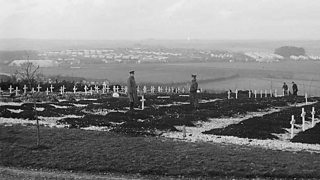
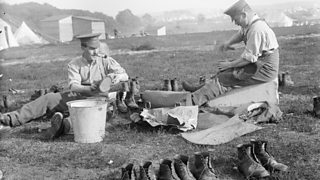
Morn Hill, near Winchester: Doughboys on the Downs
Some 740,000 American soldiers and nurses passed through the Morn Hill Camp
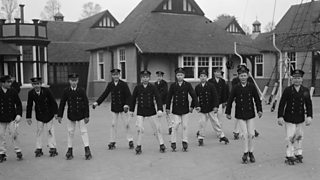
Osborne House, East Cowes: Boys at War School
Cadets trained from the age of 12 and some were mobilised at the age of just 15
Fratton Park, Portsmouth: Recruiting the Pals
Portsmouth recruitment numbers fell early in the war, damaging Pompey pride
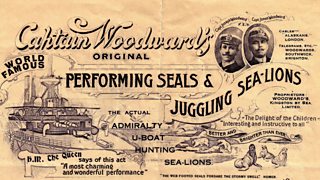
Gosport: Sea Lions in the Solent
In 1916, Britain embarked on a failed attempt to train sea lions to track German U-boats
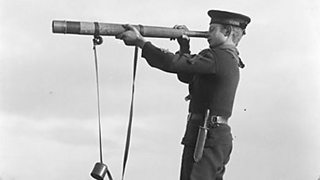
Southampton: Scouts on the Doomed Ship
One of their first wartime roles was to take over some of the duties of coastguards
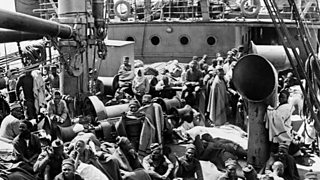
St Catherine’s Point, Isle of Wight: We Die Like Brothers
When the SS Mendi sank with more than 800 black labourers on board
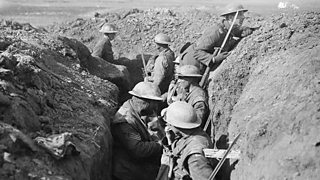
Browndown Common, Gosport: Unique Practice Battlefield
How soldiers trained for trench warfare on a unique practice battlefield
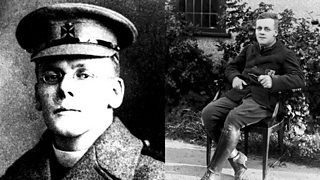
Portsmouth: The Priest and his Soldiers’ Sanctuary
Tubby Clayton and his famous soldiers’ sanctuary on the Western Front
Bournemouth, Dorset: War Diary of a 12-year-old
An observation of wartime Bournemouth as seen through the eyes of a local teenager.
Indians in the Forest
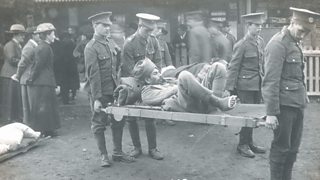
In 1914 Indian troops trained in the New Forest, where a hospital treated those wounded.
Portsmouth: A “highly-infected town”
Portsmouth was notorious for VD with a sex economy centred on the Royal Navy dockyard.
Upton, Dorset: Airships & Airstations
Flying at 5,000ft above sea level, airships could see out up to 90 miles on a clear day.
The ‘suicide squadron’: Submarines in Gosport
British submarines had many successes in WW1 but the risks to crewmen were high.
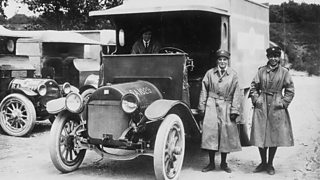
Wareham: A woman in the driving-seat
In 1917 the Army Service Corps advertised for ‘lady drivers’.
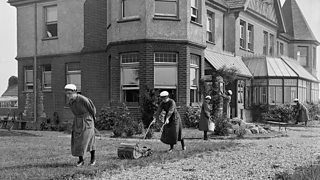
The birth of the Women’s Royal Naval Service
The WRNS began life in 1917 to enable men to leave shore jobs and join the fleet.
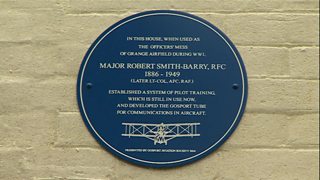
Gosport: The Man Who Taught the World to Fly
Major Robert Smith-Barry revolutionised pilot training in WW1 through the Gosport system.
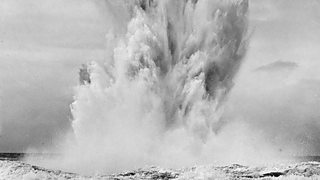
Portsmouth: Where depth charges were developed
The world’s first adjustable depth charge was developed in Portsmouth.
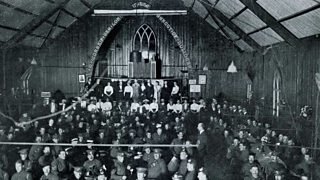
Avenue Saint Andrew’s Church, Southampton: Final Comforts Before Fighting
A Southampton Church hall gave food and shelter to hundreds of thousands of WW1 soldiers
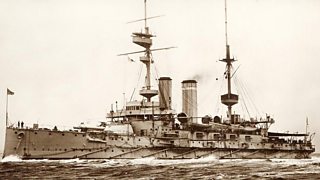
Portland, Dorset: The Navy in Portland
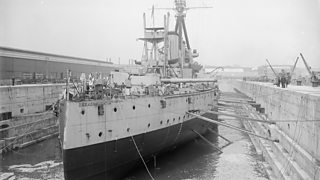
By 1914 Portland was a hub of naval activity with battleships and cruisers
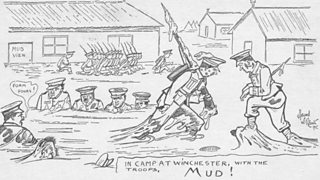
Morn Hill, Hampshire: The Wet Winter of 1914/15
The wet winter of 1914/15 forces troops to abandon the large military camp at Morn Hill
Lyndhurst, Hampshire: The ‘Immortal Seventh’
Thousands of soldiers who left Lyndhurst in 1914 were dead within weeks