Bones in the Forest
Hundreds of bone fragments in a smouldering fire test pathology to its limits, as police unravel the inconceivable truth of what unfolded in a quiet forest.
Dr Richard Shepherd reveals how pathology was vital in a series of murder cases – to catch the killer, and deliver justice for the victim and their family. The former Home Office forensic pathologist says the dead never lie. Using a state-of-the-art digital autopsy table, he shows how evidence from a victim’s body helps find the truth and separate fact from fiction.
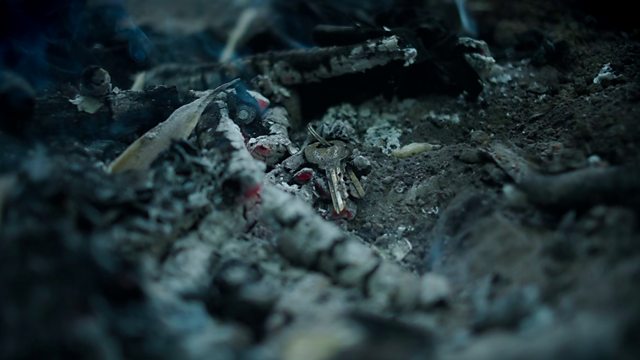
Bones in the Forest follows the chilling case of the murder of Tyrone France at Wentwood Forest, near Newport, south Wales. Late on a breezy May evening in 1996, forestry workers found a smouldering fire in secluded woodlands. Among the embers appeared to be part of a human skull. After a painstaking search, human teeth and 343 fragments of bone were discovered, along with spent bullets.
Piecing the bone fragments together in a complex and rare process gave an approximate height of the victim. The postmortem also revealed petrol had been used on the fire. With height the police's only lead, a public appeal sharing details of personal items recovered from the fire got a breakthrough. They had a name: Tyrone France, a well-known character in Newport.
One caller to police, Jason Preece, claimed he was the last person to have seen Tyrone before he disappeared. But when his account of the night was thrown into doubt, he changed his story. Now, police had a new version to investigate: a proposed drug deal in the forest, a possible shooting in cold blood, and two new names to investigate - Simon Spring and Dylan Watcyns. Neither were known to the police, but Spring had a firearms licence. Both were brought in for questioning.
Fresh revelations from Watcyns led police to a riverbank search for a part of the body not recovered at the forest crime scene, and to new evidence that, through pathology and the results of forensic dentistry, enabled police to positively identify the victim as Tyrone France.
Police now had to piece together events of the night to work out who had done what. Each man had a different version of events. Experts looked into the men’s psychology for insight. At the trial, pathology underpinned the case - including evidence around how and whether Tyrone had been shot, the impact it had on the victim and whose account that verified. This execution-style killing shocked police, journalists and locals – and shattered the lives of Tyrone’s family, who want to remember him as their smiling 'Baby Bear'.
Last on

More episodes
Previous
You are at the first episode
Broadcasts
Featured in...
![]()
Trending in Wales
Discover the shows Wales is loving this week.
![]()
UK True Crime Documentaries
Get the stories behind the crimes. Discover the cases that gripped Britain