
Beats behind bars
Mark-Anthony Turnage on prison music, plus Joseph Calleja, Ingo Metzmacher, and birdsong. With Tom Service.
Last on

More episodes
Clips
![]()
“You miss being in there”
Duration: 01:50
![]()
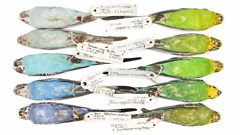
Canaries trained to sing like Nightingales
Duration: 01:53
![]()
Can modern music still astonish people?
Duration: 02:00
![]()
"The voice is like bone china"
Duration: 02:46

Chapters
Music in Prisons
Duration: 11:25
Joseph Calleja
Duration: 11:07
The Wellcome Collection
Duration: 09:25
Ingo Metzmacher
Duration: 10:14
Music in prisons
![Music in prisons]()
What difference can the arts make in prisons? And what can a composer learn from convicts?
Mark-Anthony Turnage made headlines in 2012 when he premiered a piece composed in collaboration with the inmates of a Nottinghamshire prison.
As the Irene Trust’s Music in Prisons project, which commissioned the work, celebrates 21 years of making music with prisoners, Turnage recalls the fear he felt the first time he went into a prison.
One of the inmates he worked with, Gary, describes how music projects have helped build his confidence, and the Irene Trust’s founder, Sara Lee, reveals her dream of building an arts prison.
More information:
Prison premiere for Olympics music
Reluctant tenor?
![Reluctant tenor?]()
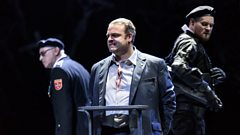
Maltese tenor Joseph Calleja enjoys a stellar career as a soloist at the world’s top opera houses, from Covent Garden, where he recently appeared in Norma, to the US, Europe and the Far East. But to keep his voice in shape, whisky and cigars are among the indulgences he has to sacrifice to his art.
Calleja outlines how he persuaded the Maltese Prime Minister to provide access to online music education tools for the entire population of his home country.
He laments what he describes as the dumbing down of culture and arts across the world, and makes the case for directing greater financial resources to music and the arts.
More information:
Norma on Opera on 3Bird Calls
![Bird Calls]()
From the earliest cave paintings art has imitated nature, and music is no exception. But nature also imitates art ,and with human intervention, can even be made to mimic itself.
At an exhibition charting the changing relationship between humans and the animal kingdom, Wellcome Collection curator Honor Beddard reveals how humans have tried to imitate birdsong and train birds to sing human melodies – or even coach one bird species to sing the songs of another.
She also explains how the sale of a popular elephant, Jumbo, to an American buyer prompted Victorian songwriters in England to immortalise the animal.More information:
Radical conductor
![Radical conductor]()
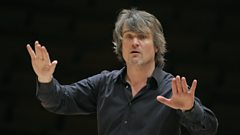
The German conductor Ingo Metzmacher reveals how he believes the classical music industry has lost its radical sting – and how he fears becoming too established.
“There’s this huge danger you just do your job and do what people expect you to do”, says Metzmacher, as he expresses his admiration for composers, such as Beethoven and Luigi Nono, who late in life risked all they had achieved to make a new start.
“The biggest danger is that you are afraid to lose your reputation – that’s no fun, I think.”More information:
KunstFestSpiele HannoverCredits
Role Contributor Presenter Tom Service Interviewed Guest Ingo Metzmacher Interviewed Guest Joseph Calleja Broadcasts
- Sat 26 Nov 201612:15BBC Radio 3
- Mon 28 Nov 201622:00BBC Radio 3



Knock on wood – six stunning wooden concert halls around the world

Steel and concrete can't beat good old wood to produce the best sounds for music.
The evolution of video game music

Tom Service traces the rise of an exciting new genre, from bleeps to responsive scores.
Why music can literally make us lose track of time

Try our psychoacoustic experiment to see how tempo can affect your timekeeping abilities.
Podcast
![]()
Music Matters
The stories that matter, the people that matter, the music that matters

Related Content
