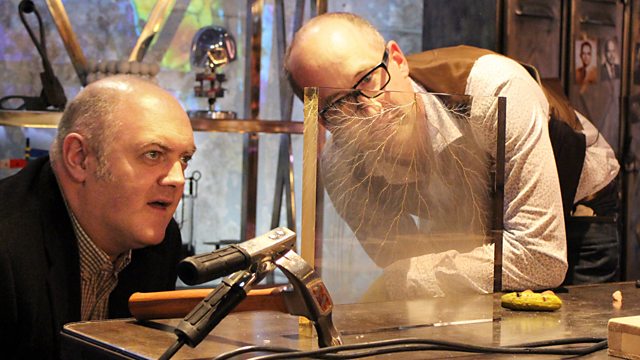
DIY Science
Dara O Briain and his team explore how powerful, affordable technology is ushering in a new era of DIY science that everyone can get involved in.
Science Club explores how powerful, affordable technology is ushering in a new era of DIY science that everyone can get involved in.
Science journalist Alok Jha is in California to see how citizen science is being used to save lives in the early detection of earthquakes.
Dr Helen Czerski goes to Brazil and discovers an ingenious innovation - in an attempt to eradicate a killer disease, mosquitoes have been modified to self-destruct.
In the studio, Dara and Professor Mark Miodownik get to grips with an inflatable crash helmet, a beat box made from vegetables and capture lightning in a box. And the team delve into tech hacking to see how stripping down and re-using technology promises to change our world.
Last on

More episodes
Clips
![]()
Eye-tracking hacking technology
Duration: 01:21
![]()
Gravity-powered light
Duration: 01:16
![]()
Genetically modified mosquitos
Duration: 01:30
DIY microscope
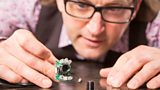
Create a high-powered microscope from a cheap webcam by following Mark's simple step-by-step instructions, then share your images with others.
Helen's science news
Find out more about the stories featured in Dr Helen Czerski's science round-up.
Follow @BBCScienceClub
Get an extra helping of surprising facts and links and join the conversation for some really social science.
Studio experts
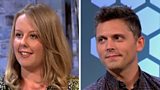
Joining the team in the studio for Episode 3 are Dr Hilary Geoghegan, an expert in citizen science, and Dr James Logan, an expert in medical entomology.
Credits
| Role | Contributor |
|---|---|
| Presenter | Dara O Briain |
| Expert | Mark Miodownik |
| Reporter | Helen Czerski |
| Reporter | Alok Jha |
| Executive Producer | Helen Thomas |
| Series Producer | Kaye Godleman |
| Series Editor | Nigel Paterson |
Why does a magnetised needle face north?
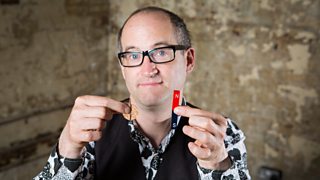
Mark demonstrates how to magnetise a needle in order to create your own working compass.
