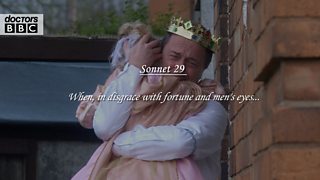
Inspired by a sonnet...
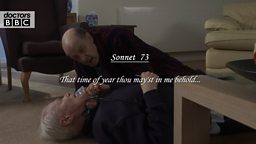
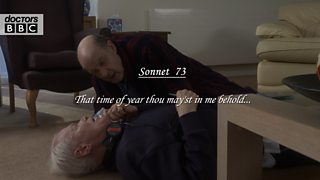
Sonnet 73 - by William Shakespeare
That time of year thou may'st in me behold
When yellow leaves, or none, or few, do hang
Upon those boughs which shake against the cold,
Bare ruin'd choirs, where late the sweet birds sang.
In me thou see'st the twilight of such day,
As after sunset fadeth in the west,
Which by-and-by black night doth take away,
Death's second self, that seals up all in rest.
In me thou see'st the glowing of such fire
That on the ashes of his youth doth lie,
As the death-bed whereon it must expire
Consum'd with that which it was nourish'd by.
This thou perceivest, which makes thy love more strong,
To love that well which thou must leave ere long.
Writers Mark Hiser and Bridget Colgan on Sonnet 73
"Perhaps one of Shakespeare's more melancholy sonnets, but still with a core of hope. We read through quite a few before deciding, but perhaps this one spoke to us about our time of life - or perhaps we're just thinking ahead, given that we are plainly still Spring chickens!
"Shakespeare's use of the seasons as a metaphor for the different stages of life brought to mind the time of year this episode will be going out (Spring) and how, to someone facing their own mortality, the new life bursting forth left right and centre would take on a sharp focus - perhaps the last Spring to witness.
"The sonnet muses on that growing awareness that comes with age, of the fleeting nature of both life and love - how nearing the end of one's life can make one's emotional attachment than much keener, how the nature of love can change with different stages of life. So we were interested in the different ways that love can express itself at different times of life - which was really the genesis of the story!
"As we were aware that a story about impending mortality could easily be a bit downbeat, we rather liked the idea that the love in this story initially looks rather like hate - even if it's the lively, fun kind of hate.
"But like the turning of the seasons, the love that is there reveals itself and could even be said to win a minor triumph over mortality - at least for one more day. What more can one ask?"